
U.S. Dollar Weakens Against Vietnamese Dong on Black Market
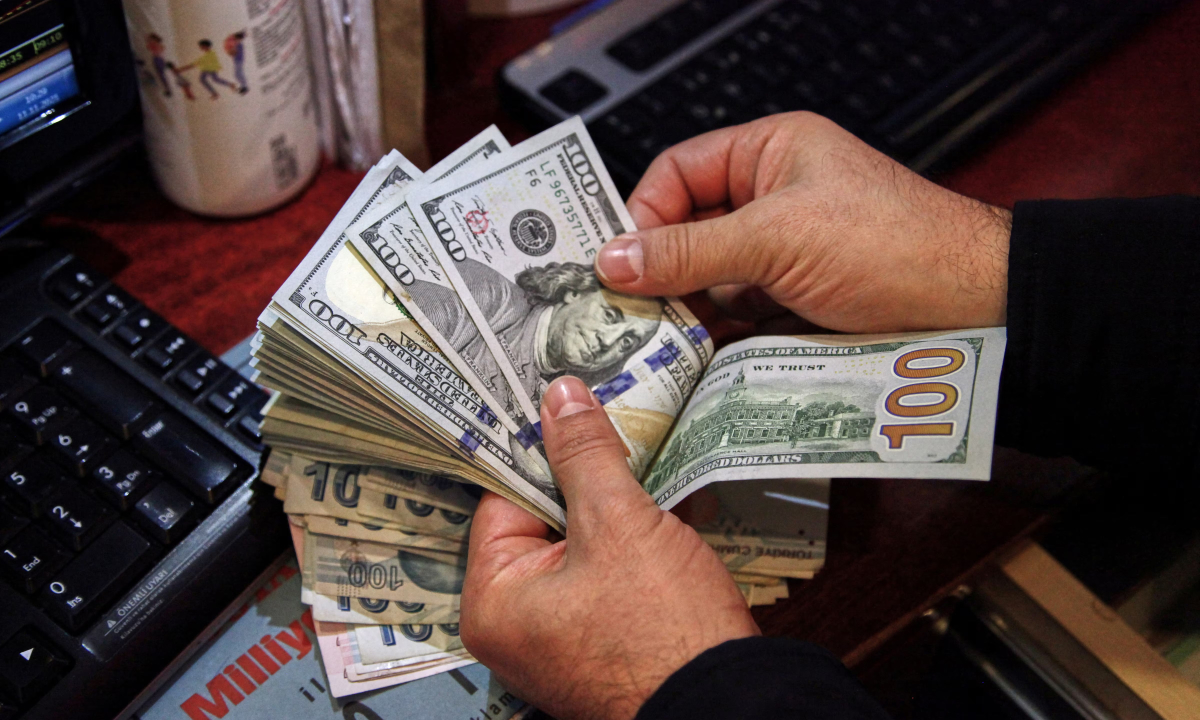
On Saturday morning, the U.S. dollar experienced a decline against the Vietnamese dong in the black market. Unofficial exchange points reported a 0.39% drop, with the greenback being sold at VND27,850. Meanwhile, Vietcombank maintained its reference rate unchanged at VND26,358, reflecting a more stable stance compared to the fluctuating black market.
Global Trends Affecting the U.S. Dollar
Globally, the U.S. dollar faced downward pressure against major currencies on Friday. This trend was driven by investors attempting to balance the Federal Reserve’s hawkish approach with ongoing concerns about the U.S. economy. According to reports from Reuters, the euro saw an increase of 0.15% against the dollar, reaching $1.15564. The currency was on track for a weekly gain of 0.26%, recovering from two consecutive weeks of losses.
The dollar index, which measures the currency’s strength against a basket of six major currencies, fell by 0.12% to 99.56. It was expected to decrease further by 0.15% for the week, marking the end of two straight weeks of gains.
Analysts’ Perspective on the Dollar
TS Lombard analysts, led by Andrea Cicione, expressed their outlook in an investor note. They stated, “We have been calling for a dollar bounce for a while now and are still looking for some gains in the near term, as U.S. growth momentum remains strong while dollar sentiment is relatively weak.” This analysis highlights the complex dynamics influencing the dollar’s performance.
Key Currency Movements
- Euro: Rose 0.15% against the dollar to $1.15564.
- Dollar Index: Dropped 0.12% to 99.56, with expectations of a further 0.15% decline for the week.
- U.S. Economy: Investors remain cautious despite signs of strong growth, leading to a mix of positive and negative factors affecting the dollar.
Conclusion
The recent movements in the U.S. dollar reflect a broader global economic landscape where various factors, including central bank policies and market sentiment, play significant roles. As investors continue to monitor these trends, the dollar’s performance will likely remain volatile, influenced by both domestic and international developments.