
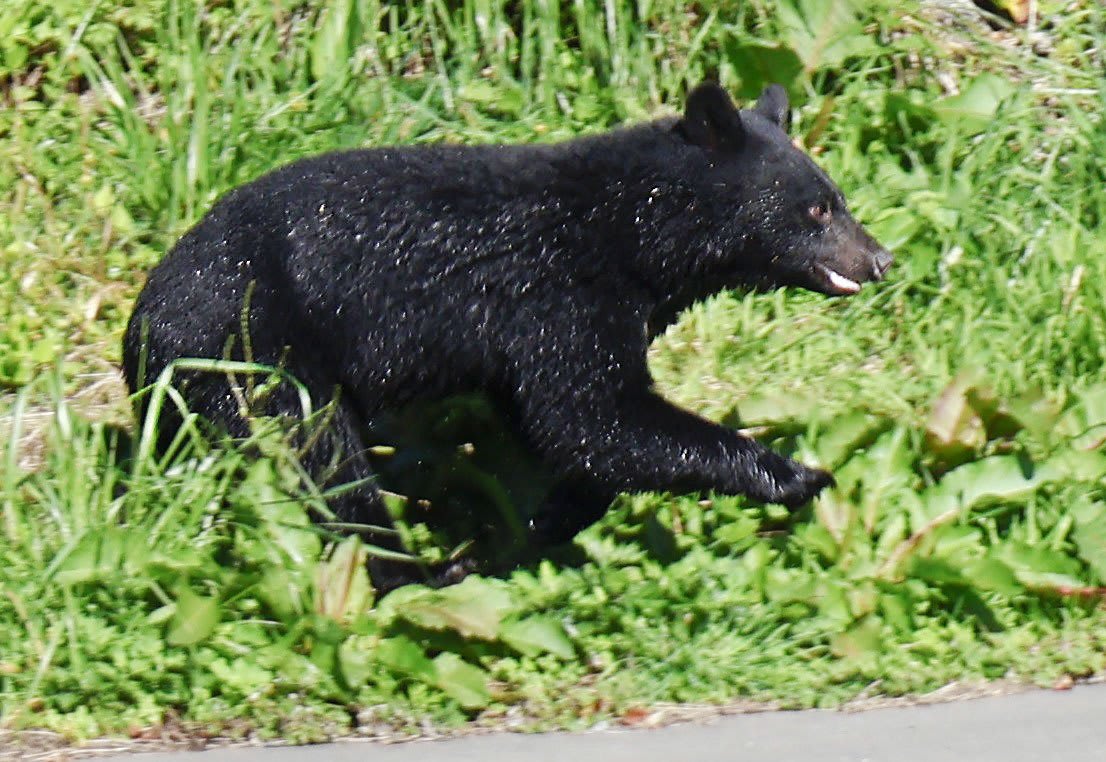
Japan’s New Bear Management Strategy
Japan has taken a significant step in addressing the growing threat of bear attacks by amending its regulations to allow police officers to use rifles to kill bears. This change comes in response to a sharp increase in incidents involving these animals, particularly in certain regions of the country.
Regulatory Changes and Implementation
Previously, the use of rifles by police was strictly limited to situations such as hijackings or other extreme emergencies. However, the new rules will take effect on November 13, granting officers more flexibility in dealing with bear threats. This adjustment is expected to enhance the ability of law enforcement to protect both humans and wildlife effectively.
In Iwate and Akita prefectures, which have experienced the highest number of bear attacks, police firearms task forces from other areas will collaborate with local hunting associations and experts. This joint training aims to deepen the understanding of bear behavior and their vulnerabilities, allowing for more informed and effective responses.
Emergency Measures and Deployment
Under the updated enforcement law, police officers are now permitted to eliminate bears that appear in urban areas within the two prefectures if there isn’t enough time to await approval from local authorities for an emergency shooting. This provision is crucial in scenarios where immediate action is necessary to prevent harm.
Each prefecture will have two specialized teams of police officers stationed. These teams will consist of a commanding officer, a liaison to local authorities, and two snipers. This structure ensures a coordinated and efficient approach to managing bear-related threats.
Increasing Threats and Response
The Environment Ministry reported that the number of deaths caused by bears since April reached a record 13 as of Wednesday. This alarming figure underscores the urgency of the situation and the need for proactive measures.
Last month, Chief Cabinet Secretary Minoru Kihara instructed the police agency to consider allowing the use of rifles to kill bears. In response, officers were dispatched to Iwate and Akita prefectures to assess the situation. They received requests for assistance, highlighting the necessity of this regulatory change.
Police Resources and Training
There are approximately 2,100 personnel belonging to the firearms task forces under the riot squad of each prefectural police. These officers are equipped with rifles, submachine guns, and other weapons to handle incidents involving firearms. The expansion of their role to include bear management reflects the evolving nature of their responsibilities.
So far, the police have evacuated local residents, secured surrounding areas, and patrolled school routes where bears have been sighted. These efforts aim to minimize risks and ensure public safety.
Environmental Factors and Bear Behavior
Five prefectures in northeastern Japan—Iwate, Akita, Aomori, Miyagi, and Yamagata—experienced a “disastrous” beech nut harvest this fiscal year, which started in April. Beech nuts are one of the main food sources for bears, and the poor harvest has likely contributed to increased bear activity in human-populated areas.
The last time the harvest index dropped to such a level in all five prefectures was in fiscal 2023, when several bear attacks were reported. The severe shortage of this crop is directly linked to the rising number of bear sightings in areas where humans live, indicating a clear correlation between environmental conditions and animal behavior.
Conclusion
The recent amendments to Japan’s bear management policies represent a critical response to the growing challenges posed by bear populations. By equipping police with the necessary tools and training, authorities aim to mitigate risks while maintaining a balance between human safety and wildlife conservation. As the situation continues to evolve, ongoing assessments and adjustments will be essential to address future developments effectively.