
Zlatan Ibile Speaks Out on Nigeria’s Economic Crisis
Popular rapper, Omoniyi Temidayo Raphael, known by his stage name Zlatan Ibile, has voiced strong criticism against the Nigerian government for its perceived inaction in addressing the country’s worsening economic situation. In a recent interview with Madame Joyce in the UK, Zlatan highlighted how Nigerians have become desensitized to hardship, viewing it as a normal part of life.
“We are used to it, suffering and smiling, that’s how it has always been and the government isn’t doing anything about it,” he said, emphasizing the deep-rooted issues facing the nation.
Zlatan also commented on British rapper Dave’s satirical take on Nigeria’s stark contrasts—luxurious clubs juxtaposed with beggars outside. He expressed concern over how poverty and inequality have become an accepted part of daily life in the country. According to him, these challenges are not just financial but deeply cultural, affecting the mindset of many citizens.
He went further to describe some beggars as entitled, suggesting that many rely on charity rather than seeking productive ways to support themselves. Zlatan urged individuals who are struggling to find meaningful ventures that could improve their lives and break the cycle of dependency.
The Impact of Economic Hardship
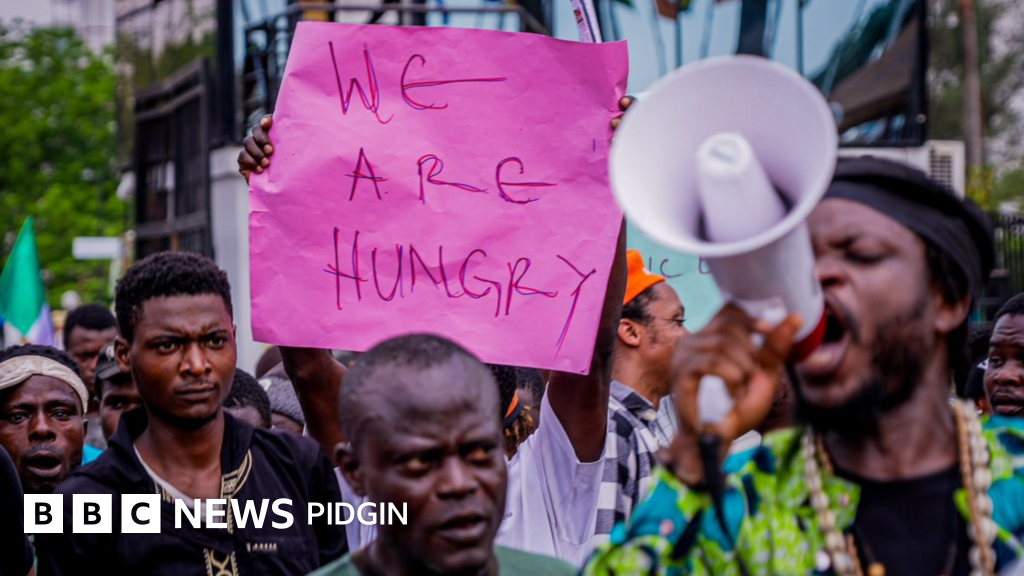
The economic crisis in Nigeria has had far-reaching effects, impacting not only the poor but also the middle class. Many citizens are finding it increasingly difficult to make ends meet due to inflation, rising unemployment, and a lack of government intervention. Zlatan’s comments reflect a growing sentiment among the youth and working-class population, who feel neglected by those in power.
His remarks also highlight the need for systemic change, including better access to education, job creation, and social support systems. Without such measures, the cycle of poverty is likely to continue, with generations of Nigerians trapped in a state of economic stagnation.
A Call for Action
In addition to addressing the plight of street beggars, Zlatan emphasized the importance of personal responsibility and community empowerment. He believes that individuals must take initiative in improving their circumstances, whether through entrepreneurship, skill development, or other forms of self-reliance.
This call to action resonates with many who are frustrated by the slow pace of progress in Nigeria. While the government has made some efforts to stimulate the economy, critics argue that more needs to be done to address the root causes of poverty and inequality.
The Role of Media and Public Awareness
Media coverage plays a crucial role in shaping public perception and influencing policy decisions. Zlatan’s comments, shared through interviews and social media, have sparked discussions about the state of the economy and the need for reform. As a prominent figure in the music industry, his voice carries weight, especially among younger audiences who are looking for guidance and inspiration.
Public awareness campaigns and educational initiatives can also help shift mindsets and encourage proactive approaches to overcoming economic challenges. By highlighting success stories and providing resources, communities can foster a culture of resilience and innovation.
Conclusion
Zlatan Ibile’s critique of Nigeria’s economic situation serves as a reminder of the urgent need for change. His words resonate with many who are tired of seeing the same problems persist without solutions. As the country continues to grapple with its challenges, voices like Zlatan’s are essential in pushing for a more equitable and prosperous future.