
Exam Irregularities and Their Impact on Tanzania’s Education System
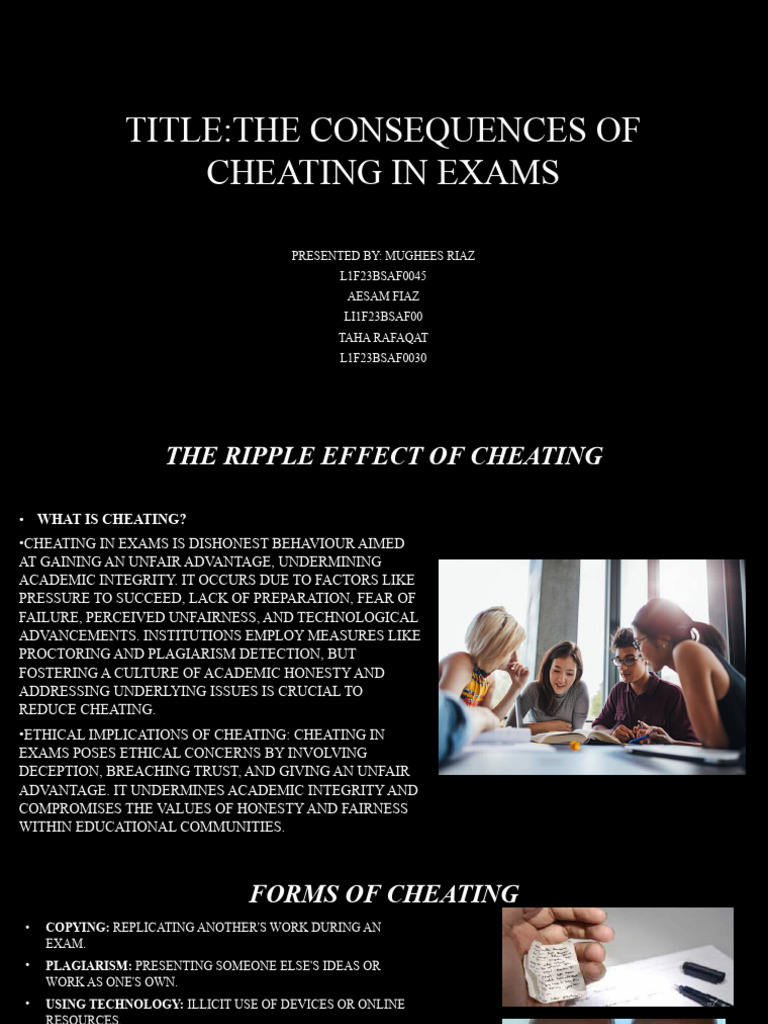
Exam irregularities, such as cheating and the use of abusive language on answer sheets, continue to raise serious concerns among education stakeholders in Tanzania. These issues not only affect the integrity of examinations but also highlight deeper moral and psychological challenges within the education system.
Necta Announces Nullified Results
The National Examinations Council of Tanzania (Necta) recently announced that it has nullified the results of 38 candidates, including 31 for cheating and seven for writing abusive words on their exam scripts. This decision was made under the Necta Act and Examination Regulations, which prohibit the affected pupils from using their results for any purpose and require them to retake future examinations.
Although the number of nullified results may seem small compared to the 1.1 million pupils who sat for the Primary School Leaving Examination (PSLE), experts argue that this trend indicates deeper moral and psychological issues affecting learners and the education system as a whole.
Expert Perspectives on Student Behavior
Dr Ruth Mwaluko, an educational psychologist, explained that when students write insults or irrelevant messages instead of answers, it points to stress, frustration, and inadequate preparation. “Such behavior often arises from fear of failure and a lack of guidance, both at school and at home,” she said. She emphasized the need to address the mental and emotional well-being of pupils as seriously as their academic performance.
The competitive nature of national examinations, combined with parental and societal pressure to succeed, can lead to anxiety that manifests in destructive ways. Dr Mwaluko called for a more holistic approach to education that includes mental health support alongside academic instruction.
Teacher Concerns and Moral Education
Teachers and school administrators have also expressed concern that these incidents reflect a decline in moral values among some pupils and insufficient mentorship within schools. Mr Abdallah Mhando, a Standard Seven teacher from Mwanza, noted that while the number of cheating cases has decreased over the years due to stricter supervision, the occurrence of defiance, such as writing abusive language, has become alarming.
“You would expect a child at that level to understand exam rules, but when they decide to write insults, it shows a breakdown in character-building,” he explained. He stressed the importance of starting moral education early, not just when pupils are about to sit for national exams.
Some pupils view exams as punishment rather than an opportunity to showcase their learning, especially when they feel ill-prepared. “When they encounter difficult questions, they react emotionally, and unfortunately, that sometimes manifests as abusive language,” he added.
Historical Context and Necta’s Response
This year’s cases add to a series of similar incidents in recent years. In the 2024 PSLE results, Necta canceled the results of 61 pupils for both cheating and offensive writing. In 2023, pupils at various levels, including Standard Four, Form Two, and Form Four, were also found guilty of similar misconduct.
Necta continues to condemn these acts, and its Executive Secretary, Prof. Said Mohamed, emphasized the institution’s commitment to maintaining examination integrity. “The Council will continue to enforce strict measures against any form of cheating or misconduct,” he said during the results announcement.
“Writing abusive language or engaging in dishonest acts undermines not only the credibility of examinations but also the moral foundation we are trying to nurture in our education system.”
He urged schools and parents to strengthen moral guidance and discipline among learners, highlighting that academic success should be accompanied by ethical behavior.
Positive Trends in Exam Results
Despite the concerns, there are positive trends in the exam results. Out of 1,146,164 candidates who sat for the exam in September 2025, a total of 937,581 pupils—representing 81.80 percent—achieved passing grades of A, B, or C. In 2024, the pass rate was 80.87 percent, indicating an increase of 0.93 percent this year.
During the results announcement in Dar es Salaam, Prof Mohamed stated that the performance reflects ongoing efforts to improve the delivery of primary education. “The overall pass rate has increased to 81.80 percent from 80.87 percent recorded in 2024. This shows a positive trend and improvement in learning outcomes at the basic education level,” he said.
Of the successful candidates, 429,104 were boys (82.51 percent) and 508,477 were girls (81.21 percent). The girls’ pass rate increased by 1.16 percent from last year, while the boys’ rate improved by 0.66 percent. Prof Mohamed noted that the quality of performance, measured by the proportion of candidates scoring grades A and B, also improved from 36.90 percent in 2025, an increase of 1.07 percent compared to 2024.
“The improvement in performance, especially among girls, demonstrates the effectiveness of ongoing initiatives aimed at enhancing inclusive and equitable access to quality education,” he added.