
Tony Blair’s Upcoming Visit to Lebanon Amid Regional Tensions
Former British Prime Minister Tony Blair is set to visit Lebanon next week, aiming to engage in discussions with key political figures. These include President Joseph Aoun, Parliament Speaker Nabih Berri, and Prime Minister Nawaf Salam. The meeting is expected to focus on the current developments in the region and the ongoing challenges faced by the Lebanese government.
The visit comes at a time of heightened tensions between Israel and Lebanon, particularly concerning the issue of Hezbollah’s disarmament. According to reports, Israel has been exerting pressure on the United States to cease its support for the Lebanese government. Israel argues that the government is not taking the necessary steps to implement the disarmament plan for Hezbollah.
Escalation of Operations and Regional Concerns
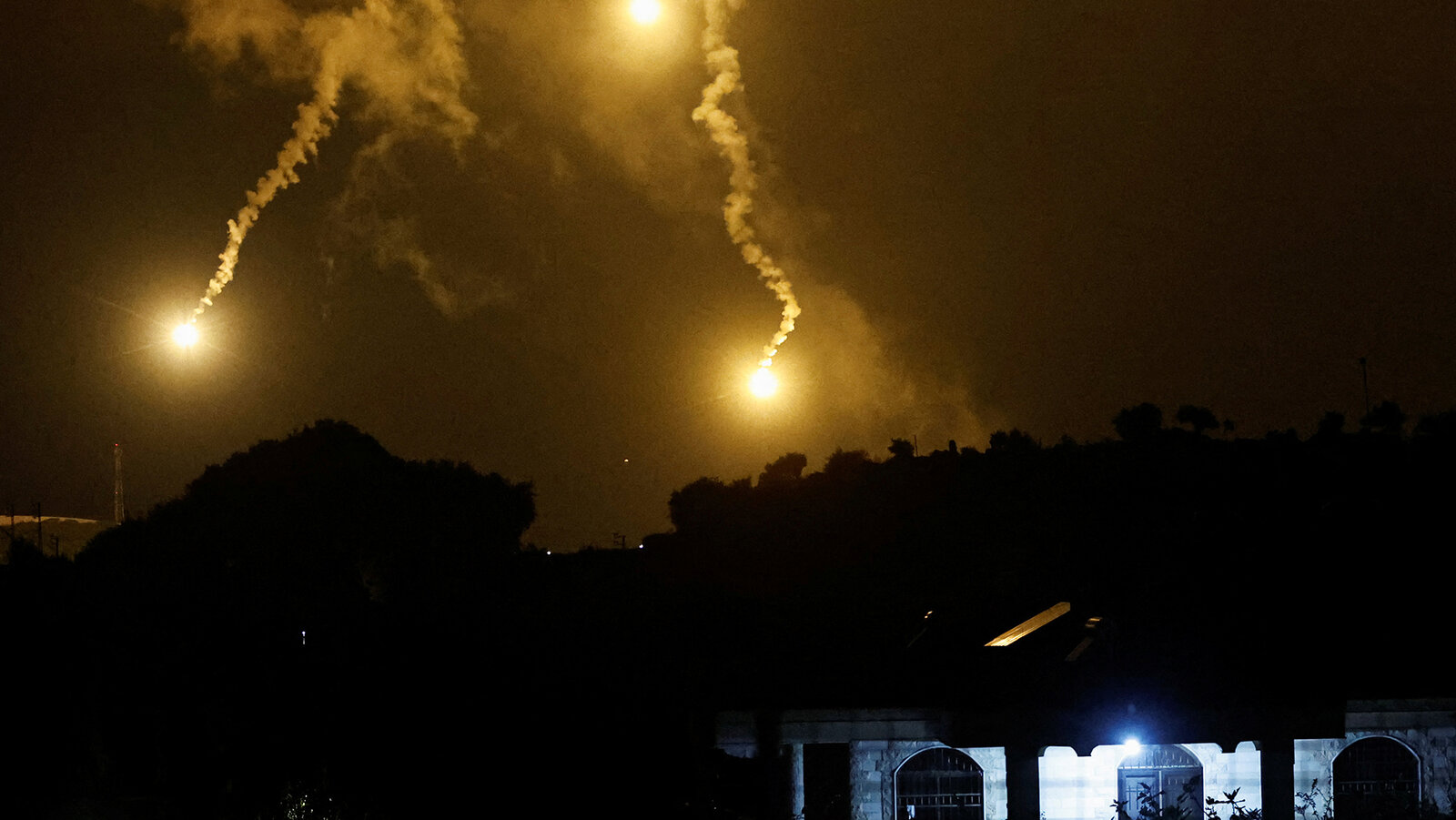
Recent statements from both Israel and Hezbollah have raised concerns about the possibility of a wider conflict. While Parliament Speaker Nabih Berri has ruled out the prospect of an escalation, Israel and Hezbollah have continued to amplify their rhetoric. Al-Akhbar, a pro-Hezbollah newspaper, reported that Israel has decided to increase its military operations in Lebanon.
This decision follows warnings from Israel last week that it may intensify its actions against Hezbollah. The Israeli government has repeatedly accused the group of attempting to rearm itself. In response, Hezbollah has asserted its right to self-defense and criticized any potential political negotiations between Lebanon and Israel.
Political Accusations and Calls for Action
Sami Gemayel, leader of the Kataeb party, has accused Hezbollah of dragging Lebanon into another war. He called on the authorities to take stricter measures in disarming the group and initiating negotiations with Israel. “It is unacceptable for a subordinate minority to decide the fate of a free majority,” he stated in a recent statement.
President Aoun has consistently advocated for negotiations with Israel to end the occupation and prevent further attacks. As part of this effort, he has chosen Paul Salem, the President of the Middle East Institute in Washington, as one of the potential representatives for any upcoming negotiations.
Ongoing Challenges and International Involvement
The situation in Lebanon remains complex, with various political factions and international actors involved. The role of the United States in supporting the Lebanese government is under scrutiny, especially as Israel continues to push for stronger action against Hezbollah.
Blair’s visit is likely to focus on strengthening diplomatic ties and exploring ways to de-escalate tensions. His experience as a former prime minister could provide valuable insights into navigating the delicate balance between regional security and political stability.
Key Players and Their Positions
- Tony Blair: Former British Prime Minister, visiting Lebanon to discuss regional developments.
- Joseph Aoun: President of Lebanon, advocating for negotiations with Israel.
- Nabih Berri: Parliament Speaker, denying the possibility of a wider conflict.
- Nawaf Salam: Prime Minister of Lebanon, engaging in discussions with international figures.
- Paul Salem: President of the Middle East Institute, considered for participation in future negotiations.
Conclusion
As the situation in Lebanon continues to evolve, the involvement of international figures like Tony Blair highlights the global interest in maintaining stability in the region. The interplay between Lebanon, Israel, and Hezbollah remains a critical factor in shaping the future of the Middle East.