
The UK Faces Its Worst Flu Season in Decades
A mutant strain of the flu is raising concerns among health officials and experts in the UK, as it could be responsible for what may become the country’s worst flu season on record. With thousands of deaths feared, the situation has sparked alarm across the nation.
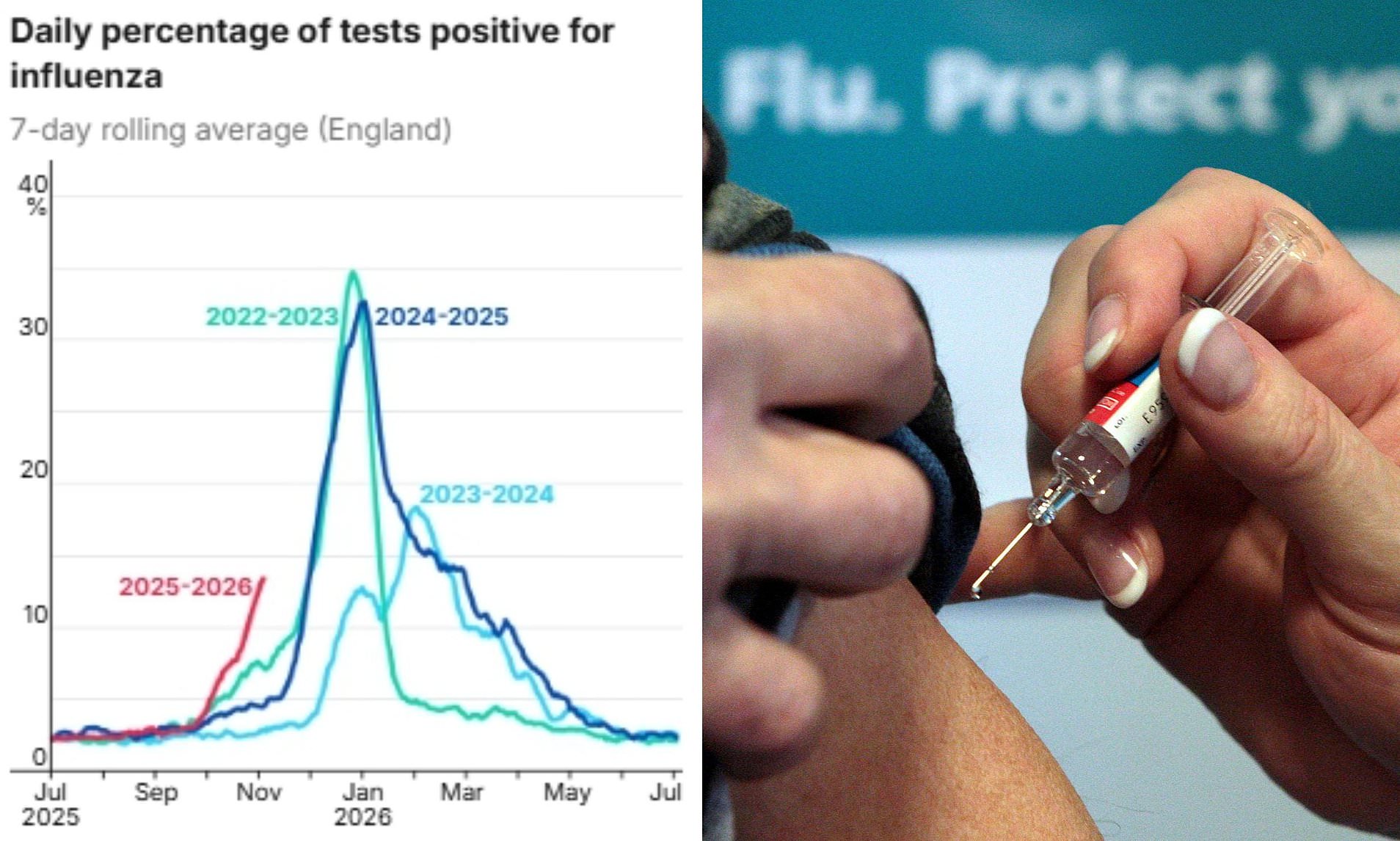
Winter typically brings a surge in flu cases, but this year, the numbers have already surpassed those seen at the same time last year by more than three times. This spike is largely attributed to an increase in cases among school-aged children. NHS England’s chief executive, Sir Jim Mackey, has warned that this winter will be one of the toughest the health service has ever faced, with hospitals operating at full capacity and rising treatment waiting lists.
Experts believe that the H3N2 flu strain may have mutated seven times over the summer, making it more severe than usual, particularly for older people. These genetic changes have made the virus “hotter” and “nastier,” according to virologists, increasing its deadliness. Additionally, the strain is different from those seen in recent years, which means people are less immune to it due to unfamiliarity with the virus.
Australia recently experienced its worst flu season on record, with over 410,000 cases. Experts consider this a reliable predictor of what the UK might face. Professor Derek Smith from the University of Cambridge noted a “fast increase” in reports of the mutated H3N2 virus in June.
Professor Punam Mangtani, an expert in influenza at the London School of Hygiene & Tropical Medicine, explained that the current H3N2 strain is less similar to the one seen in the 2024 flu season. This reduced immunity in the population could explain why cases have risen earlier than in previous years.
According to data from the UK Health Security Agency (UKHSA), the majority of subtyped influenza viruses are H3N2. If this virus spreads more easily, it doesn’t need to wait for wintery conditions to start the flu season. Previous strains of H3N2 suggest it is a more severe form of influenza.
Prof Nicola Lewis, director of the World Influenza Centre at the Francis Crick Institute, told BBC News that H3N2 is a “hotter” and “nastier” virus, with more significant impacts on the population. She expressed concern about the unusual dynamics of this strain.
Symptoms and Complications of the Mutant Flu Strain
The symptoms of the H3N2 flu are similar to other flu strains but can be more severe, including high fever, severe body aches, and fatigue. Anecdotal reports from Australia suggest that this strain causes more severe body aches, longer-lasting tiredness, and symptoms that come on suddenly.
Inflammation from the flu can make it difficult for the lungs to transfer enough oxygen to the rest of the body, increasing the risk of deadly complications such as pneumonia, respiratory failure, sepsis, or inflammation of the heart, brain, and muscles. It can also worsen existing chronic conditions like heart disease and asthma, requiring hospitalization.
Experts warn that the mutant strain may spread more quickly because it has a higher reproduction rate. The UK’s flu R rate normally sits around 1.2, meaning that for every 100 people who had flu, they could pass it to roughly 120 people. However, early estimates for this year suggest an R rate of 1.4, translating to passing the virus on to 140 people if 100 had the flu.
For context, during the early stages of the Covid-19 pandemic, the R rate for the virus was estimated to be between 2.4 and 4 in the UK before lockdown measures were implemented.
Urgent Call for Vaccination
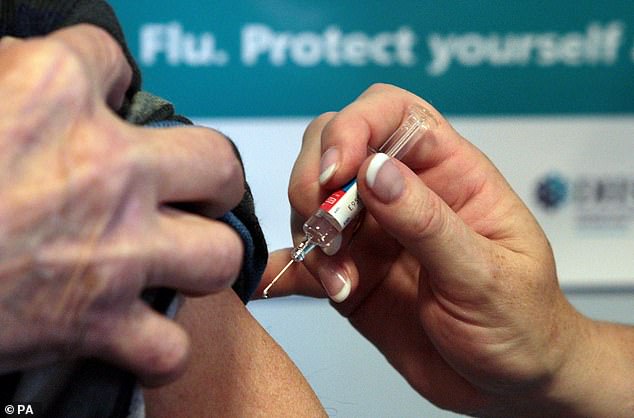
As the flu season approaches, UK health officials have issued a “flu jab SOS,” urging people to get vaccinated to protect against severe illness. The vaccine design in the UK was decided in February to ensure sufficient production of millions of doses. However, the mutant variant did not appear until June, so it may not offer full protection against the strain.
Despite this, experts emphasize the importance of vaccination for eligible individuals, as it can reduce the severity of symptoms. Dr. Mangtani highlighted the rapid evolution of flu strains and the necessity of getting vaccinated each year, even if someone has had the flu or received a vaccine previously.
The annual vaccination program in England started on October 1, offering vaccines to individuals aged 65 and over, under-65s in clinical risk groups, care home residents, carers, and pregnant women. It is also available to close contacts of immunosuppressed individuals and front-line healthcare workers, as well as children.
Those not in these groups can opt for private vaccinations at pharmacies for around £20.
Stephen Griffin, a professor of virology at the University of Leeds, emphasized the importance of taking precautions in public spaces and hospitals to create infection-resilient environments. He also noted that increasing vaccine uptake can prevent susceptibility to severe infections.