
Growing Calls for a Burqa Ban in Australia
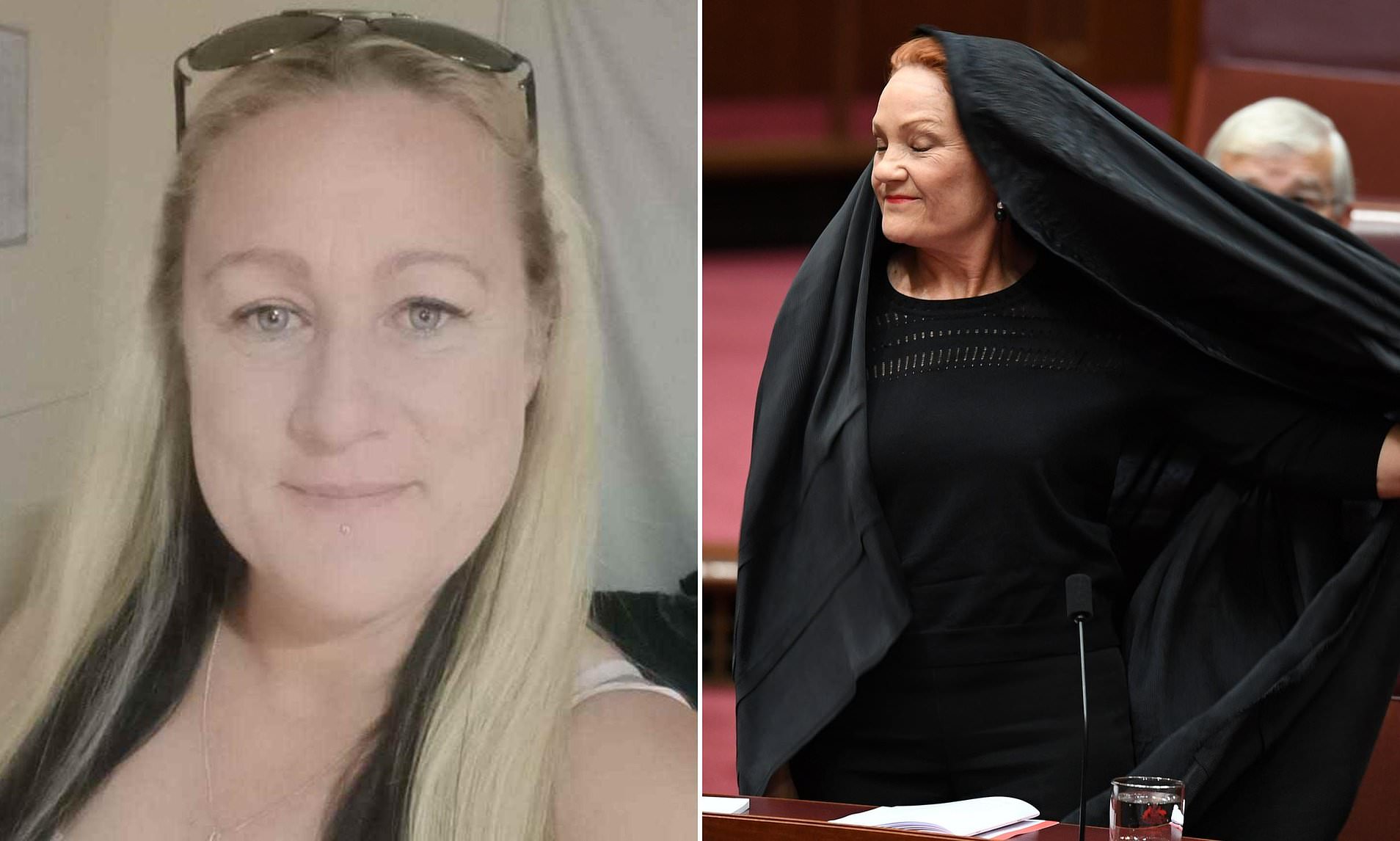
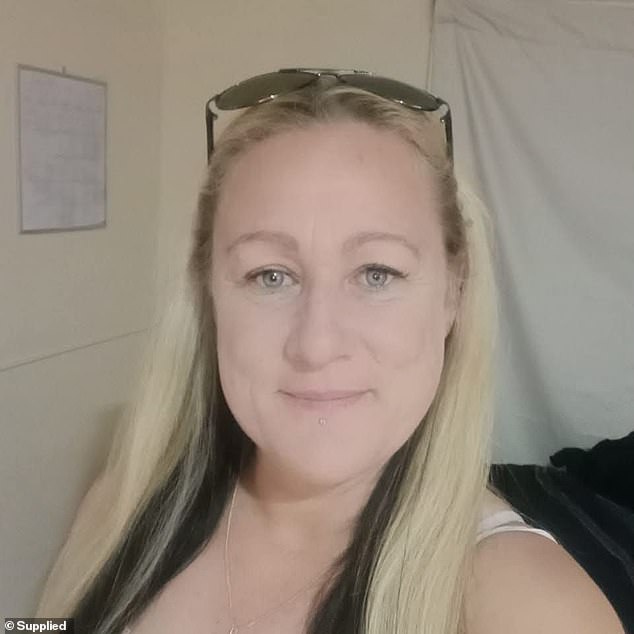
A recent petition has sparked renewed debate in Australia over the wearing of burqas in public spaces. The initiative, led by Jolene Brezina, a FIFO worker and mother-of-six, has gathered over 1,800 signatures from Australians demanding a ban on the garments. Brezina expressed concerns about the security risks associated with full-face coverings, stating that they make it impossible to identify individuals, which could pose a threat to public safety.
She emphasized that while some religious practices may involve early marriages or polygamy, these are not permitted under Australian law. “Why then is the full-face burqa allowed?” she questioned. She also pointed out that a Christian cross does not conceal a person’s identity and does not present a national security risk. “We are not calling for them to change religions, just to assimilate to the western culture’s laws and ways,” she added.
Understanding the Burqa and Its Controversies
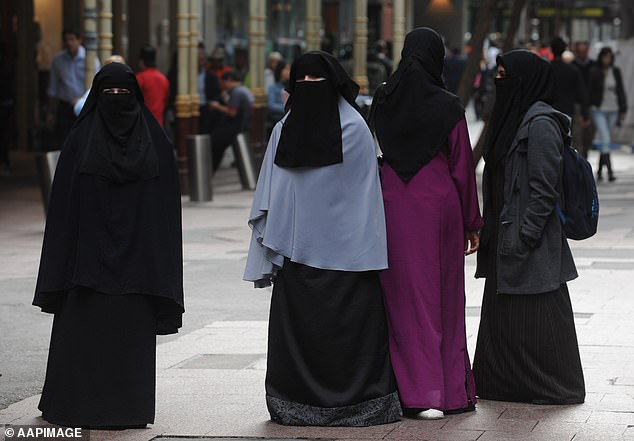
The burqa is a one-piece veil that covers the face and body, often featuring a mesh screen for visibility. Some Muslim women choose to wear headscarves, which cover their heads and hair, while others opt for a niqab, which covers the face but leaves the eyes visible. These garments are seen as symbols of modesty and religious faith by many who wear them.
However, critics argue that such coverings can lead to discrimination and lack of identification in public settings. One petitioner wrote, “We cannot wear our motorcycle helmets into places as our faces are covered, so where is the difference?” Another added, “Myself and my friends are sick of being discriminated against in our own homeland for the pathetic reasoning of religion.”
Pauline Hanson’s Role in the Debate
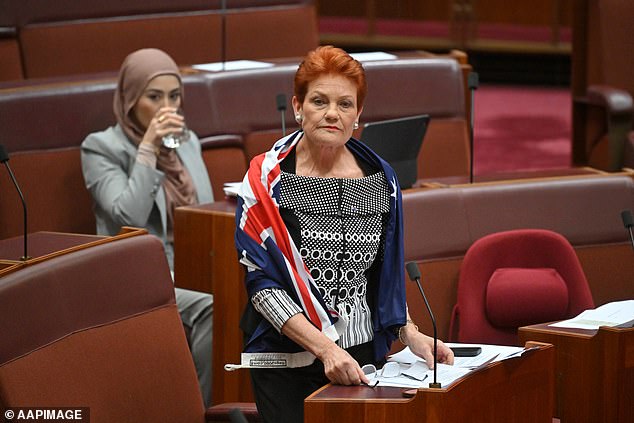
Senator Pauline Hanson has been a vocal advocate for banning the burqa. She recently urged the government to follow the example of at least 24 countries that have already implemented such bans. “For years I’ve warned that full face coverings pose a threat to our safety, and strip women of their dignity,” she stated. She highlighted Italy’s recent decision to ban the burqa and niqab in public spaces, questioning why Australia has not taken similar action.
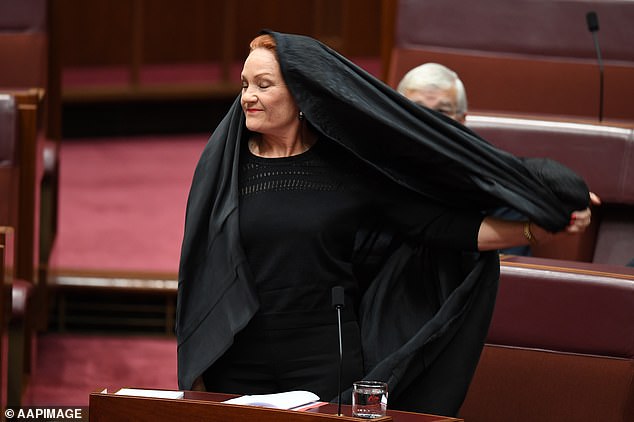
Hanson’s call for a ban was further fueled by the Italian ruling Brothers of Italy party, which announced plans to introduce a nationwide ban on the garments. Her previous remarks during a 2017 Parliamentary Question Time, when she wore a burqa for a debate on the potential ban, had already caused controversy.
Responses from the Muslim Community
Dr Rateb Jneid, a lawyer in Western Australia and president of the Australian Federation of Islamic Councils, criticized the petition as fear-mongering. He argued that the full-face covering is worn by a small number of women in Australia who do so freely and without harm to others. “Banning it would not protect anyone, it would simply punish a minority for how they choose to express their faith,” he said.
He emphasized that all Australians are free to choose their religion and express their beliefs, including through clothing choices. “This includes the expression of religion through their choice of clothing,” he noted.
Ongoing Discussions and Future Implications
The debate over the burqa continues to divide opinions across the country. While some see it as a security issue and a challenge to public safety, others view it as a matter of personal freedom and religious expression. As the conversation evolves, it remains to be seen whether Australia will take steps toward implementing a ban or continue to uphold the principle of religious freedom.
The discussion also raises broader questions about the role of religious attire in public life and the balance between cultural norms and individual rights. With growing international trends toward banning full-face coverings, Australia’s stance on this issue could have significant implications for its social and legal landscape.