
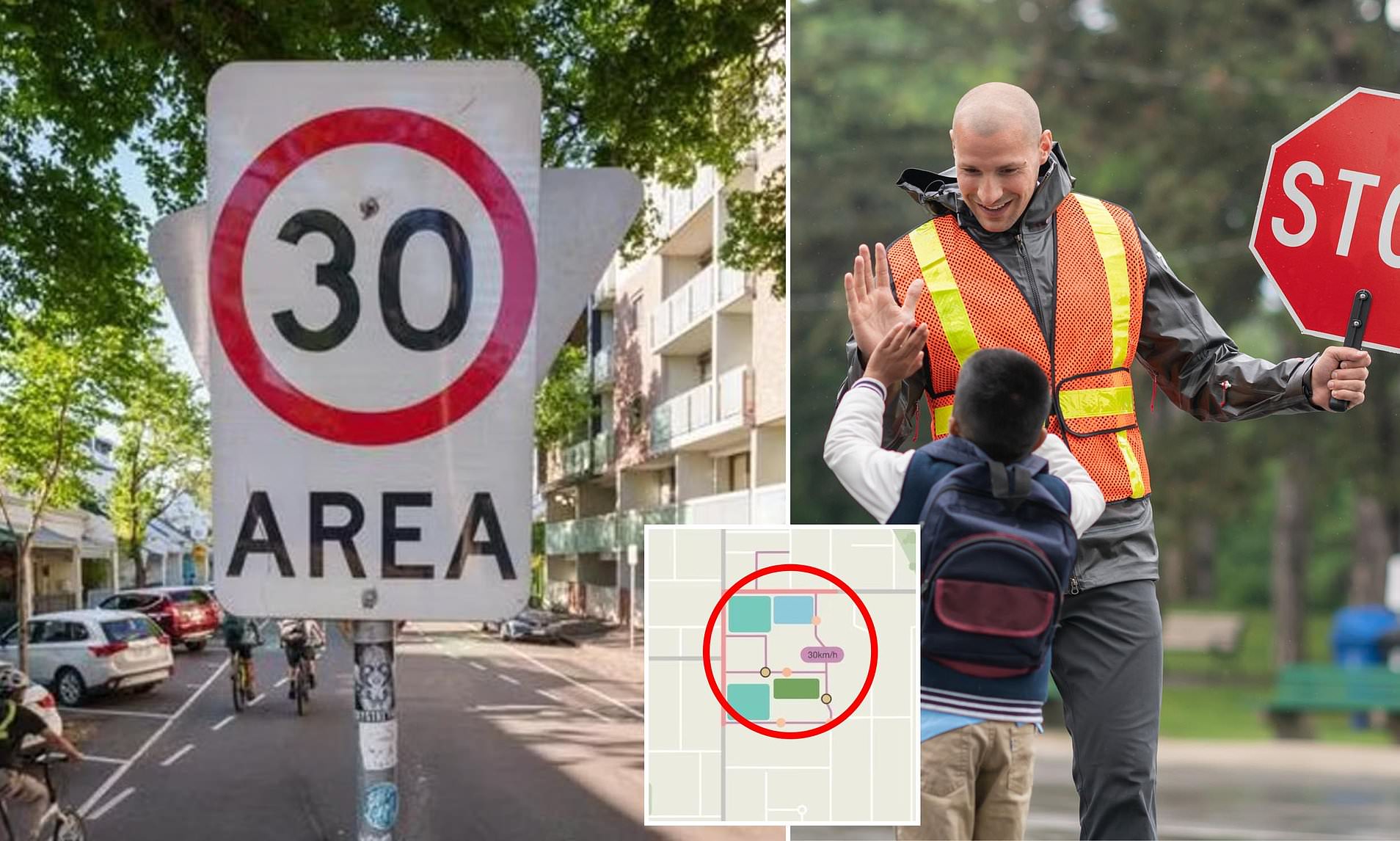
Melbourne’s Proposed 30km/h Speed Limit: A Controversial Move for Safer Suburbs
A recent proposal to reduce speed limits in Melbourne’s suburban areas to 30km/h has sparked a heated debate among residents, drivers, and policymakers. The plan, outlined in the Infrastructure Victoria 2025–2055 Draft Strategy, aims to make neighborhoods safer, particularly for children and pedestrians. However, it comes with a hefty price tag of up to $45 million for implementation.
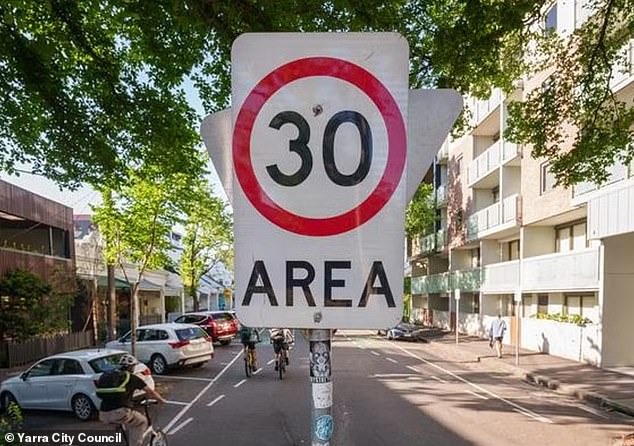
The proposal suggests lowering speed limits on local streets and even some major roads that are frequently used by trucks, buses, and tradespeople. These changes would apply to streets currently limited to 50km/h or less, though main roads and highways would remain unaffected unless they pass through high pedestrian zones. The goal is to create a safer environment for children, with lower speed limits recommended around schools, playgrounds, childcare centers, and kindergartens by 2030.
“Victoria’s neighbourhoods should be safe for people to travel and for children to play,” the report states. This vision aligns with trials conducted in Fitzroy and Collingwood, where 30km/h speed limits were introduced years ago. However, these trials have already faced backlash from frustrated drivers who argue that the slower speeds cause unnecessary delays and inconvenience.
A Push for Better Cycling Infrastructure
In addition to the proposed speed limit changes, the report also calls for significant investment in cycling infrastructure. Infrastructure Victoria has urged the government to allocate up to $620 million over the next decade to develop 250 kilometers of new bike corridors across Melbourne and regional centers.
The current cycling network in Victoria is described as “disconnected and low-quality.” Bike lanes are often too narrow, blocked by parked cars, or end abruptly without clear signage. Moreover, many intersections lack proper separation between cyclists and motor vehicles, posing serious safety risks.
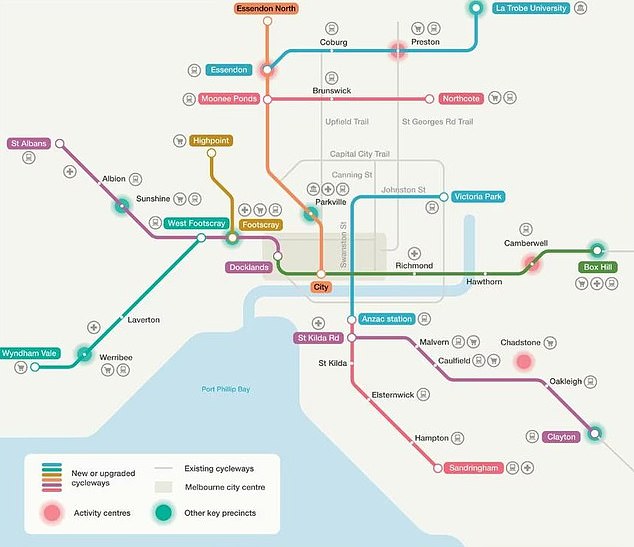
The report estimates that building a safe and connected cycling network across the state would cost between $500 million and $620 million over 10 years. This investment is seen as crucial for encouraging more people to cycle, which could help reduce traffic congestion and improve public health.
Criticism and Concerns
Despite the potential benefits, the proposal has not been universally welcomed. A recent university study suggesting that speed limits should be reduced to 30km/h to improve cyclist safety was criticized as “ridiculous” by Libertarian Leader David Limbrick. He argued that driving slowly on empty streets is frustrating and inefficient.
“Driving very slowly is difficult and especially frustrating on an empty street — you spend most of your time looking at the speedo rather than the road,” he said. “What’s more, someone driving safely today could face a $400 fine under the new limits. For many people, fines like these can be devastating.”
Ongoing Debate
The proposal raises important questions about the balance between safety and convenience. Will the 30km/h speed limit transform suburban streets into safer havens, or will it lead to commuting chaos? Are lower speed limits the ultimate solution for cyclist safety, or just another bureaucratic headache for Victorian drivers?
Other cities are also considering similar measures. Could Sydney’s bustling CBD benefit from a groundbreaking 30km/h speed limit to boost pedestrian safety? Why has Sydney’s affluent eastern suburbs decided to drop speed limits to 40km/h, sparking resident uproar? And could Scotland’s sweeping 20mph speed limit plan on urban roads significantly reduce road casualties by 2030?
As the debate continues, the future of Melbourne’s streets remains uncertain. What is clear, however, is that the push for safer roads comes with both challenges and opportunities.