
The Deportation of 490 Malawians from South Africa
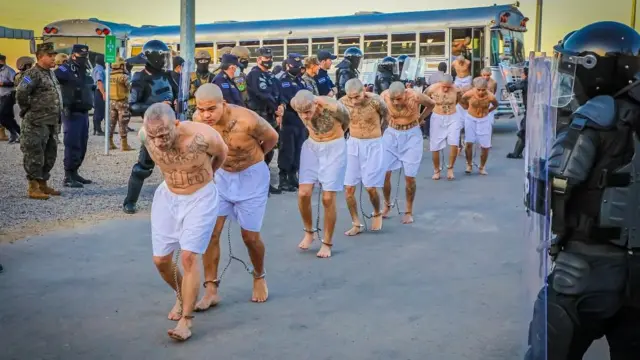
The long, grim line of buses rolled into Mwanza One Stop Border Post just after dawn on Saturday — six in total — carrying 490 weary Malawians deported from South Africa’s Lindela Repatriation Centre. Among them were 472 men and 18 women, all returning home under the heavy label of “illegal migrants.”
The Department of Immigration and Citizenship Services confirmed the mass deportation on 8 November 2025, stating that the group was expelled for violating South Africa’s immigration laws.
“Upon arrival, the deportees were advised on the importance of following proper immigration procedures to prevent future deportations,” the Department said in a brief statement.
But behind the bureaucratic language lies a deeper story — one of desperation, unemployment, and a nation’s fading hope.
For decades, South Africa has been both a promise and a peril for thousands of Malawians seeking better lives. Each year, scores cross borders — some legally, many through informal routes — in search of work, dignity, and survival. Yet, for most, that dream ends in detention centres like Lindela, a name that has become synonymous with overcrowding, neglect, and despair.
Preliminary records show that most of the deportees hail from Mangochi, Machinga, Balaka, and Thyolo — districts long scarred by poverty and joblessness. Many of those sent back left Malawi with nothing but hope and borrowed transport money, only to be rounded up in South Africa’s periodic immigration crackdowns.
Their return is not a homecoming — it’s a heartbreak.
Since 2023, South Africa has intensified its campaign to root out undocumented foreign nationals amid rising domestic pressure and unemployment. The Lindela Repatriation Centre, located in Krugersdorp, has become the final stop for thousands of African migrants — including Malawians — caught without proper papers.
Human rights groups have repeatedly condemned conditions at the centre, citing overcrowding, inadequate healthcare, and alleged mistreatment of detainees. But the deportations continue — often in large batches, like Saturday’s.
The Socioeconomic Crisis in Malawi
For Malawi, the deportations are a painful reflection of economic decline and policy failure. Despite government promises of job creation and industrialization, the reality remains bleak: youth unemployment exceeds 20 percent, rural poverty is deepening, and small businesses struggle to survive amid soaring costs and a volatile kwacha.
This has forced thousands — especially young men — to risk everything for uncertain futures in Johannesburg, Pretoria, and Durban.
“People are not leaving because they want to,” says a social analyst in Blantyre. “They are leaving because home has stopped providing hope.”
At Mwanza Border, authorities offered the deportees routine counseling on immigration procedures. But for most, paperwork is not the problem — survival is. Once the briefings end, many will quietly slip back into their villages, jobless and stigmatized, while others will already be plotting another dangerous journey back to South Africa.
Without meaningful change at home — real jobs, youth empowerment, and social support — the buses will keep coming, and the story will keep repeating.
A Cycle of Deportation and Despair
For now, 490 Malawians have returned — not as workers or heroes, but as victims of an economy that has failed to protect their dignity. And as the sun set over Mwanza, one question lingered in the dust and silence: how many more will have to be deported before Malawi finally learns to keep its own?
The Impact on Families and Communities
The return of these 490 individuals has had a profound impact on their families and communities. Many of them were the primary breadwinners, and their absence has created a void that is difficult to fill. Children who once relied on their parents for basic needs now face uncertainty, and the stigma attached to being labeled as “illegal migrants” further complicates their reintegration into society.
Local leaders have expressed concern about the psychological toll on the deportees, many of whom have spent months in detention centers. They speak of trauma, loss of identity, and the challenges of rebuilding their lives after such a harrowing experience.
In addition, the community’s perception of migration has shifted. While some still view it as a necessary step for survival, others are beginning to question whether the risks are worth the potential rewards. This shift in perspective could lead to a gradual change in attitudes toward migration, although it remains to be seen whether this will translate into tangible policy changes.
The Role of International Support
International organizations have also taken notice of the situation in Malawi. Several NGOs have launched initiatives aimed at providing support to deportees, including vocational training, mental health services, and legal assistance. These programs aim to equip individuals with the skills and resources needed to rebuild their lives and reduce the likelihood of future migration.
However, the success of these efforts depends on sustained funding and political will. Without long-term investment, the cycle of deportation and despair is likely to continue.