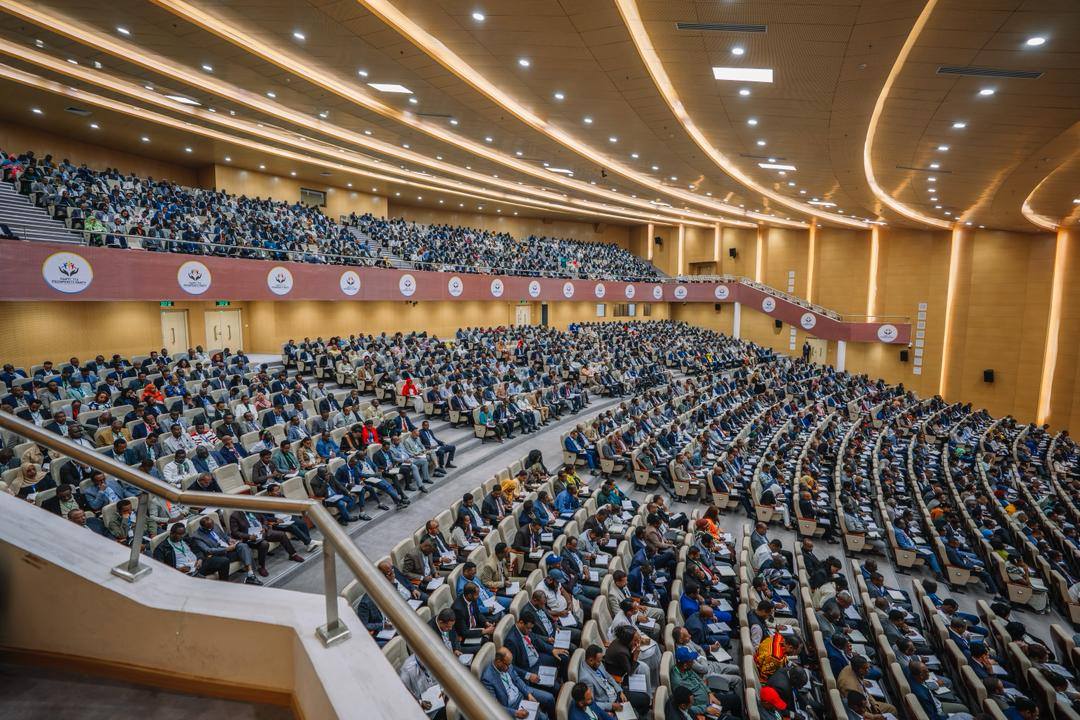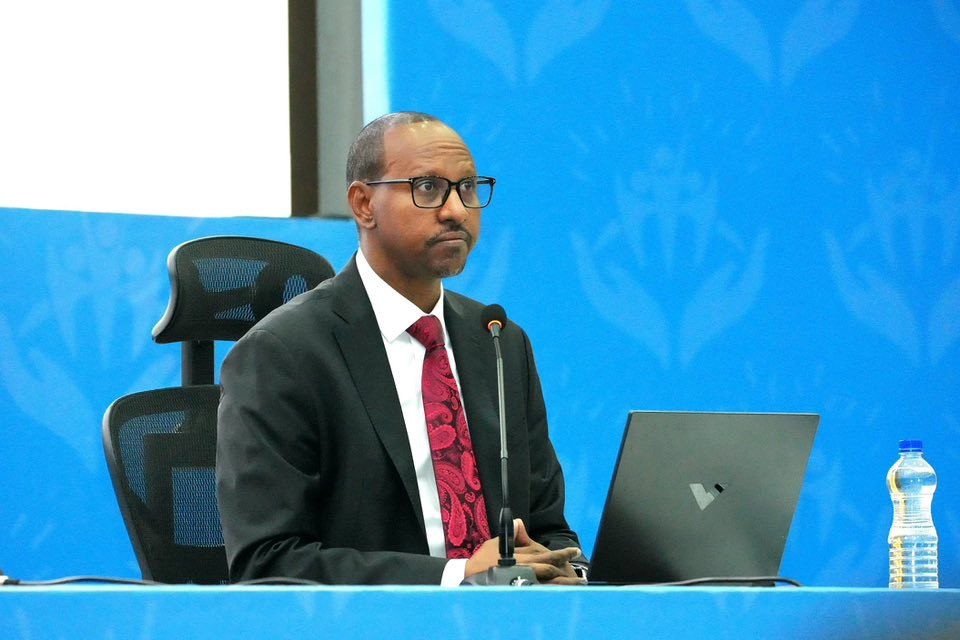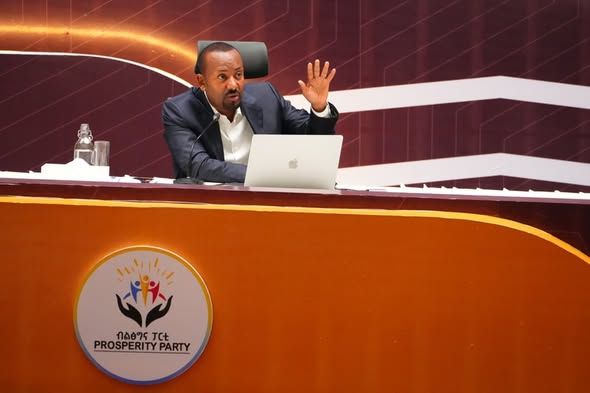
Addis Ababa, November 9, 2025 — The Prosperity Party (PP) has completed a 11-day leadership training program, with the closing directive delivered by the Party’s President and Prime Minister, Abiy Ahmed. This initiative aimed to strengthen the party’s internal structures and enhance the capabilities of its leaders.
According to Adem Farah, the Party’s Vice President and head of the PP Main Office, the program was held in Adama and Addis Ababa, focusing on the theme “Sectoral Advancement in the View of the Medemer State.” The event brought together nearly 2,000 party leaders from across the country, providing them with comprehensive training on various topics designed to improve policy implementation and foster a shared strategic vision.
Adem emphasized that the training played a crucial role in promoting unity of purpose among party members, enhancing their practical capacities, and reinforcing the Prosperity Party’s position as a genuine force for national cohesion. He highlighted the importance of this initiative in ensuring that the party remains aligned with the broader goals of the nation.
He expressed deep gratitude to all those involved in the program, including coordinators, trainers, moderators, security agencies, the Oromia Regional State and its institutions, the Adama City Administration, the Addis Ababa City Administration, and all participating leaders. Their contributions were instrumental in making the program a success.
The training included a variety of activities such as planning sessions, presentations, group discussions, experience-sharing sessions, project field visits, and the final conclusion of the program. Each of these elements contributed to the overall effectiveness of the initiative, allowing participants to gain valuable insights and practical knowledge.
- The program was structured to ensure that leaders could engage in meaningful dialogue and learn from one another.
- It focused on both theoretical and practical aspects of leadership, ensuring that participants could apply what they learned in real-world scenarios.
- The involvement of local administrations and regional institutions helped create a more inclusive and collaborative environment.