
Personnel Policy Reforms in the Joint Chiefs of Staff
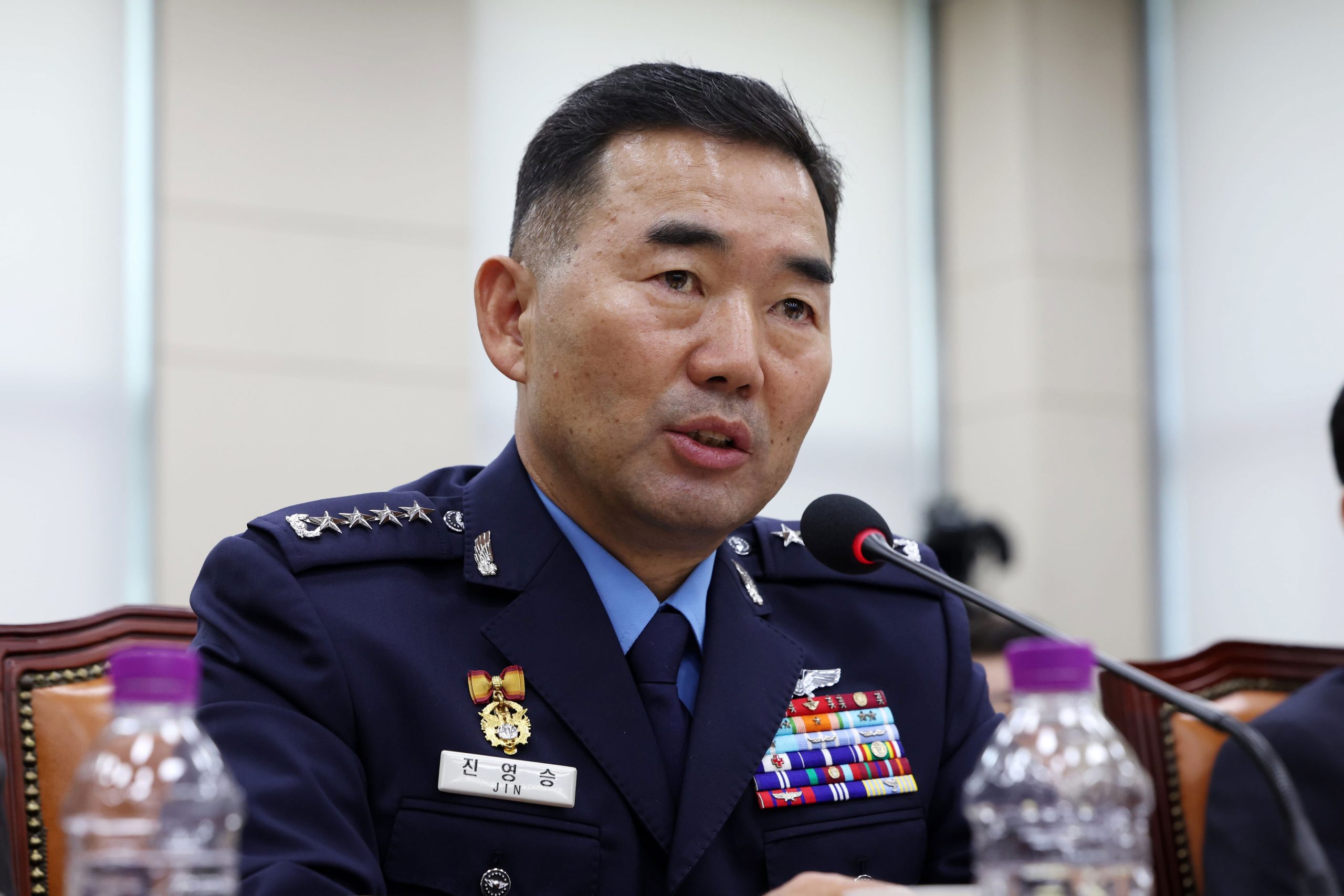
Jin Yong-sung, Chairman of the Joint Chiefs of Staff (JCS) and an Air Force General, has announced a significant personnel policy aimed at replacing all JCS generals. This move, which involves the simultaneous replacement of approximately 40 JCS generals (excluding the JCS Chairman), is considered unprecedented. The policy has raised concerns about its potential impact on military readiness.
According to sources familiar with the matter, Jin revealed last week a personnel policy that would involve discharging all JCS generals, colonels, and lieutenant colonels who have served for over two years. The intention behind this policy was to “discharge” all generals except Kwon Daewon, the JCS Vice Chairman, who assumed his post in September.
If implemented as outlined, around 40 JCS-affiliated generals would be reassigned to the Ministry of National Defense and their respective military branches. External generals not currently serving in the JCS would fill the vacated positions. Lieutenant colonels, whose promotions have been finalized, are expected to be replaced by late this month, while colonels and generals could be replaced as early as next month or January of the following year.
A military source expressed concern, stating, “If key JCS personnel responsible for current operations are replaced en masse, readiness could deteriorate.”
The JCS does not have authority over human resources (HR). The Ministry of National Defense holds the authority over generals, while each military branch headquarters oversees field-grade officers. The final decision on whether to proceed with Jin’s policy rests with the Ministry of National Defense. A ministry official stated, “We are aware the JCS has expressed intent for personnel renewal, but HR authority lies with the ministry, and this matter has not been discussed with us.”
The JCS has stated, “We are preparing measures for personnel renewal, but no decisions have been finalized.”
A military official explained, “This is part of personnel renewal due to the aftermath of martial law.” Since the administration of President Lee Jae-myung, the military has emphasized personnel renewal following the December 3 emergency martial law.
In the first general-level personnel reshuffle under President Lee Jae-myung, announced in early September, all seven active-duty four-star generals who were part of the military leadership during the emergency martial law were discharged.
Key Points of the Personnel Policy
- The policy involves the replacement of approximately 40 JCS generals, excluding the JCS Chairman.
- The move is seen as unprecedented and raises concerns about military readiness.
- The JCS lacks HR authority, which is held by the Ministry of National Defense.
- The policy aims to replace long-serving personnel with external candidates.
- The timing of replacements varies, with lieutenant colonels expected to be replaced by late this month, while colonels and generals may be replaced as early as next month or January.
Implications and Concerns
The proposed personnel changes have sparked discussions about the potential consequences for military operations. If key personnel are replaced without proper planning, it could lead to a decline in operational efficiency. Military officials have highlighted the need for careful implementation to avoid disruptions.
Additionally, the policy is linked to broader efforts to reform military leadership following the December 3 emergency martial law. This has led to a focus on personnel renewal as a means of addressing past issues and ensuring future stability.
Despite these considerations, the final decision on the policy remains with the Ministry of National Defense. Until then, the JCS continues to prepare for personnel changes, though no concrete decisions have been made.
Conclusion
The ongoing personnel reforms within the JCS reflect a complex interplay between military leadership, administrative policies, and operational needs. While the goal of renewal is clear, the execution of such a large-scale change requires careful coordination to ensure that military readiness is maintained. As the situation develops, further updates will be necessary to assess the full impact of these changes.