
Supreme Court of South Korea Upholds Seoul’s Ordinance on Cultural Heritage Protection
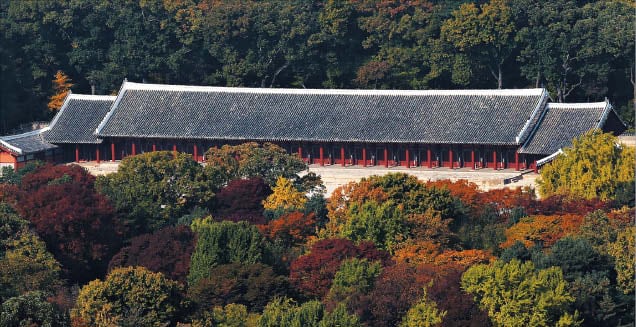
The Supreme Court of South Korea has made a significant ruling regarding a local ordinance that affects the preservation of national heritage. The court determined that a Seoul City ordinance, which eased development regulations related to the preservation of cultural heritage, is lawful. This decision is expected to revive the stalled Sewoon District 4 redevelopment project in Seoul’s Jongno District, which had faced challenges due to concerns about preserving the landscape of Jongmyo, a UNESCO World Heritage Site.
The Supreme Court’s First Division, led by Presiding Justice Shin Suk-hee, dismissed a lawsuit filed by the Ministry of Culture, Sports and Tourism on June 6. The ministry had sought to invalidate the Seoul Metropolitan Council’s decision to pass the “Seoul Metropolitan Government Cultural Heritage Protection Ordinance.”
In 2023, the Seoul Metropolitan Council removed a clause from the city’s ordinance that required assessing the impact of construction projects on cultural heritage, even if they were located outside “historical and cultural environment preservation zones” (within 100 meters of nationally designated heritage sites). The council argued that regulating areas beyond these zones exceeded the scope of the Cultural Heritage Protection Act, which is the higher-ranking law. The Korea Heritage Service opposed this change and requested the city to reconsider, but the revised ordinance was ultimately enacted.
The Ministry of Culture, Sports and Tourism then filed a lawsuit, claiming that the revision was illegal because it was made without consulting the Korea Heritage Service. However, the Supreme Court ruled that deleting clauses in an ordinance that exceed the provisions of higher laws is a legitimate exercise of the authority to enact or amend ordinances, provided there are no special circumstances. The court added that the Cultural Heritage Protection Act only outlines administrative obligations for construction projects within preservation zones and does not mandate impact review procedures or consultations with the Korea Heritage Service for areas outside these zones.
This ruling directly impacts the Sewoon District 4 redevelopment project. Last month, Seoul announced plans to allow buildings up to 141.9 meters tall in the district. However, the Korea Heritage Service raised concerns that ultra-high-rise buildings opposite Jongmyo could negatively affect its landscape and cultural value. Sewoon District 4 is located 173–199 meters from Jongmyo, outside the preservation zone. The Supreme Court’s decision validated the Seoul Metropolitan Council’s revised ordinance, supporting the city’s position in the matter.
Seoul City expressed optimism about the ruling, stating that it will provide momentum to the Sewoon District 4 redevelopment project, which has been stalled for over 20 years. The city plans to create a large green corridor park that will enhance the prominence of Jongmyo. It aims to complete the project by 2030 after consulting with the Korea Heritage Service within acceptable limits.
Seoul Metropolitan Council Chairperson Choi Ho-jeong released a statement emphasizing that the judgment broadly recognizes the legislative autonomy of local councils. He pledged to ensure that citizens’ demands for cultural heritage protection and regulatory reform can coexist harmoniously.