
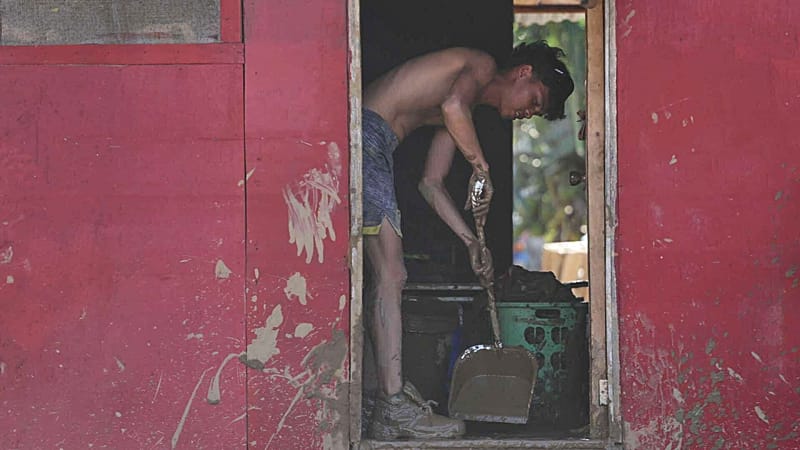
Typhoon Kalmaegi has left a trail of destruction across the Philippines, with at least 140 people confirmed dead and over 120 still missing. The powerful storm unleashed heavy rainfall that triggered widespread flash floods, impacting more than 100 areas across the country. Homes, roads, and vehicles were submerged, particularly in Cebu province, where the damage was most severe.
The typhoon’s impact was felt by nearly two million residents, many of whom were forced to evacuate their homes. Over half a million individuals sought refuge in emergency shelters, where they are receiving aid and support from relief organizations. The situation remains critical as rescue operations continue, with teams working tirelessly to locate those still unaccounted for and provide assistance to affected communities.
In response to the crisis, President Ferdinand Marcos Jr. declared a national state of calamity, allowing for the mobilization of resources and emergency services. This declaration enables the government to coordinate efforts more effectively, including debris removal, infrastructure repair, and power restoration. However, the challenges faced by local authorities are immense, given the scale of the disaster and the ongoing need for humanitarian support.
As the cleanup and recovery process begins, another typhoon is forming in the Pacific Ocean, raising concerns for northern regions of the country. Meteorologists are closely monitoring the new storm, which could bring additional rainfall and strong winds to an already vulnerable area. This development underscores the importance of preparedness and vigilance, as communities brace for potential further disruptions.
Key Impacts of Typhoon Kalmaegi
- Human Toll:At least 140 lives have been lost, with over 120 people still missing.
- Floods and Damage:Torrential rains caused flash floods in more than 100 areas, submerging homes and vehicles.
- Displacement:Nearly two million residents were affected, with over half a million seeking shelter in evacuation centers.
- Government Response:A national state of calamity was declared, enabling emergency teams to clear debris and restore power.
Ongoing Challenges
Emergency teams are working around the clock to assess the damage and provide essential services to affected communities. The focus remains on locating missing persons, ensuring the safety of evacuees, and restoring basic infrastructure such as electricity and clean water. However, the sheer scale of the disaster presents significant logistical challenges, requiring coordinated efforts from both local and national authorities.
As the situation evolves, the international community is also being called upon to offer support. Relief agencies and foreign governments are assessing the needs of the Philippines and considering ways to contribute to the recovery efforts. The coming days will be crucial in determining the extent of the damage and the long-term impact on affected populations.