

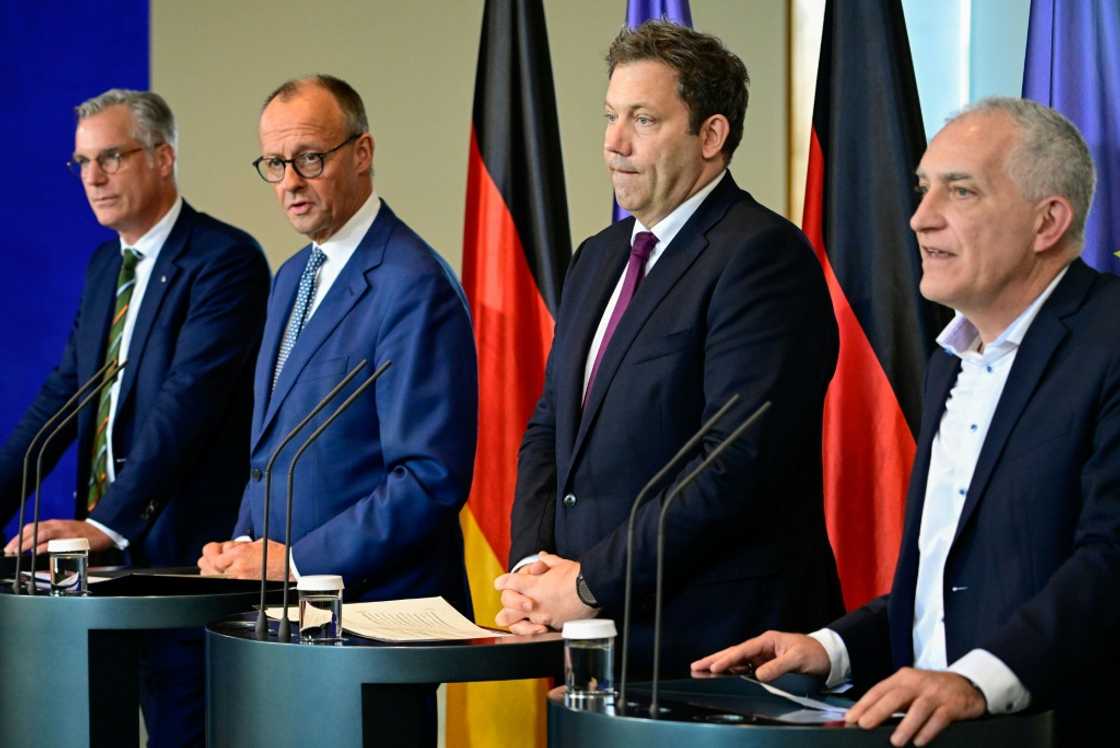
Germany has expressed support for the European Union’s proposal to increase tariffs on foreign steel, as the bloc faces challenges from cheap imports, particularly from China. Chancellor Friedrich Merz emphasized this during a speech on Thursday following discussions with key players in the steel industry in Berlin.
“These proposals are a step in the right direction,” Merz stated, highlighting the importance of addressing the issue of unfair trade practices. The EU had previously introduced plans in October to double tariffs on foreign steel, drawing inspiration from former US President Donald Trump’s approach to protect domestic industries from cheap Chinese exports.
The proposed measures include raising import levies to 50 percent and reducing the volume of steel that can enter the market before tariffs apply by 47 percent. Merz pledged his full support for these initiatives, stating, “I will support these proposals to the best of my ability and hope that appropriate regulations will be put in place.”
This strategy mirrors the one adopted by Trump, who imposed 50-percent tariffs to prevent the influx of low-cost metals from China, which is responsible for over half of the world’s steel production.
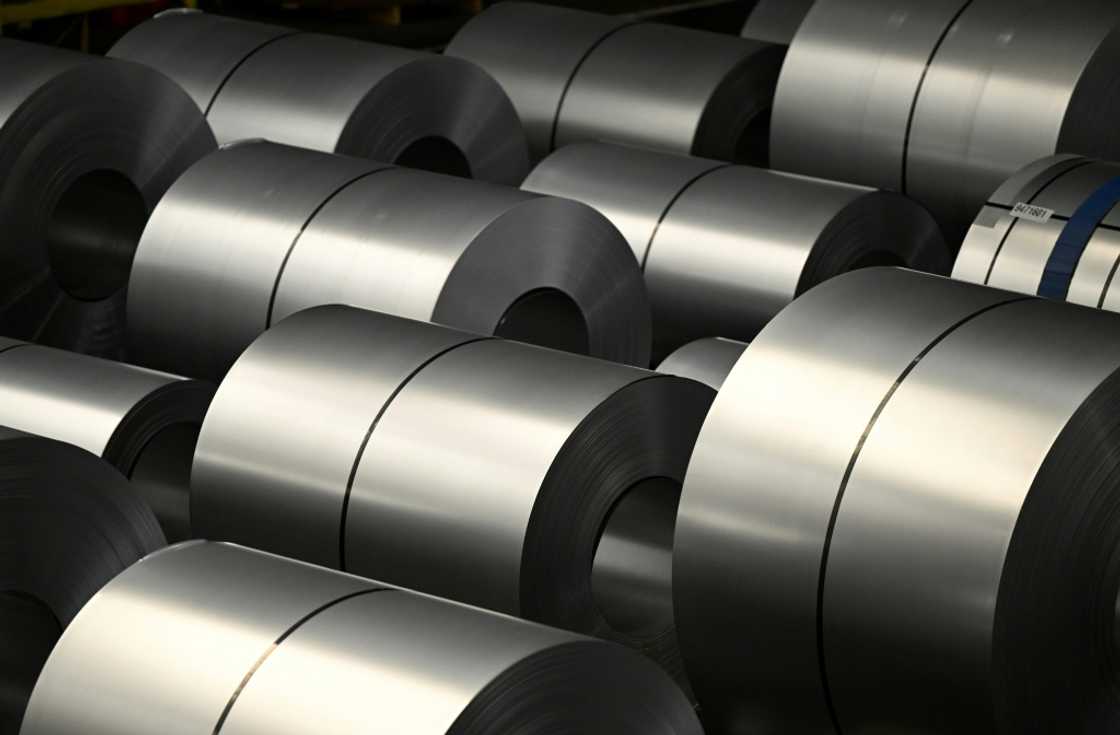
Germany holds the position of Europe’s largest steel producer and ranks seventh globally, according to the World Steel Association. Steel plays a crucial role in various sectors of Europe’s largest economy, including construction, automotive, and mechanical engineering, and is a vital component of exports.
However, China has been flooding the market with large quantities of steel at significantly reduced prices, undermining German producers. Merz acknowledged the challenges posed by global trade policy changes, noting, “These include, on the one hand, the tariffs imposed by the United States and, on the other hand, changing trade flows, particularly from Asia and especially from China, which are flooding the markets with subsidised steel.”
He added, “Effective protection is therefore needed in this area. We have agreed to advocate for this in Brussels.”
Germany’s steel sector also suffered due to rising energy costs after Russia’s invasion of Ukraine in 2022, with prices remaining well above pre-war levels. In recent years, steel production in Germany has remained 10 to 15 percent below 2022 levels.
The discussions held on Thursday brought together Germany’s leading steel producers and leaders from regions where the industry is a major employer. Merz stated, “We share the steel industry’s concern about the current economic situation.” He further explained, “Companies are facing a crisis that threatens their very existence, which is why this dialogue… was urgently needed.”