
Presidential Relocation Plans and Challenges
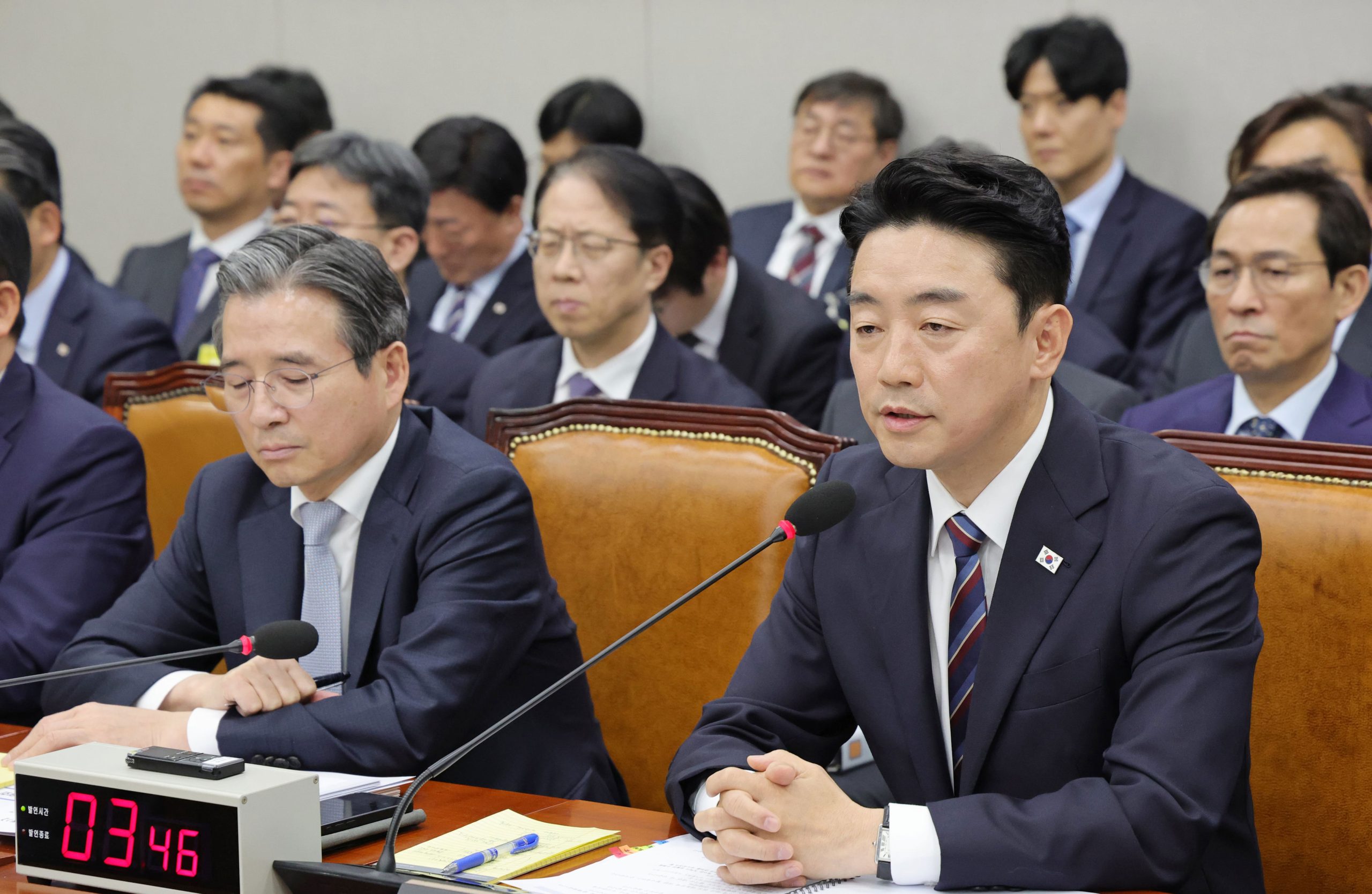
Kang Hoon-sik, the chief of staff to the President, recently addressed the issue of relocating the Yongsan Presidential Office to Cheong Wa Dae. During a national audit at the National Assembly’s Operating Committee, he provided updates on the progress and challenges associated with this move.
Kang was responding to a question from Lee Hoon-gi, a member of the Democratic Party of Korea, who inquired about the status of the relocation, which was originally scheduled to be completed within the year. Kang confirmed that construction is currently underway with the goal of finishing the project by the end of the year.
However, he emphasized that the relocation of the presidential residence itself presents more complex challenges compared to moving the office staff. He explained that factors such as security concerns and the scale of the construction project make the process more intricate. While the administrative staff may be able to relocate by the end of the year, the president himself might not be able to move until the first half of next year.
Key Considerations in the Relocation Process
Several factors contribute to the complexity of relocating the presidential residence:
- Security Concerns: Ensuring the safety of the president and the surrounding area requires extensive planning and infrastructure upgrades.
- Construction Scale: The size of the project necessitates careful coordination and resource allocation.
- Timeline Adjustments: While the office staff can move by year-end, the president’s relocation may take longer due to these additional considerations.
Kang also mentioned that there are currently no concrete plans for the future use of the Yongsan Presidential Office once the relocation is complete. This lack of clarity highlights the need for further discussions and decisions regarding the site’s long-term purpose.
Implications of the Relocation
The relocation of the presidential office is not just a logistical challenge but also carries significant political and symbolic weight. It represents a shift in the administration’s operations and could influence public perception of the government’s efficiency and transparency.
The decision to move the office from Yongsan to Cheong Wa Dae has been part of broader discussions about modernizing government facilities and improving accessibility. However, the delays in the process underscore the complexities involved in such large-scale projects.
Future Steps and Expectations
As the construction progresses, it will be essential to monitor the timeline and address any potential obstacles that may arise. The government will need to ensure that all aspects of the relocation, including security and infrastructure, are thoroughly evaluated and managed.
In addition, the lack of plans for the Yongsan office’s future use suggests that there may be ongoing deliberations about its role in the coming years. This could involve considerations such as repurposing the space for other governmental functions or public services.
Overall, the relocation of the Yongsan Presidential Office to Cheong Wa Dae is a significant undertaking that requires careful planning, coordination, and execution. As the project moves forward, it will be important to keep stakeholders informed and engaged throughout the process.