
New Measures to Address Bear Encounters in Romania
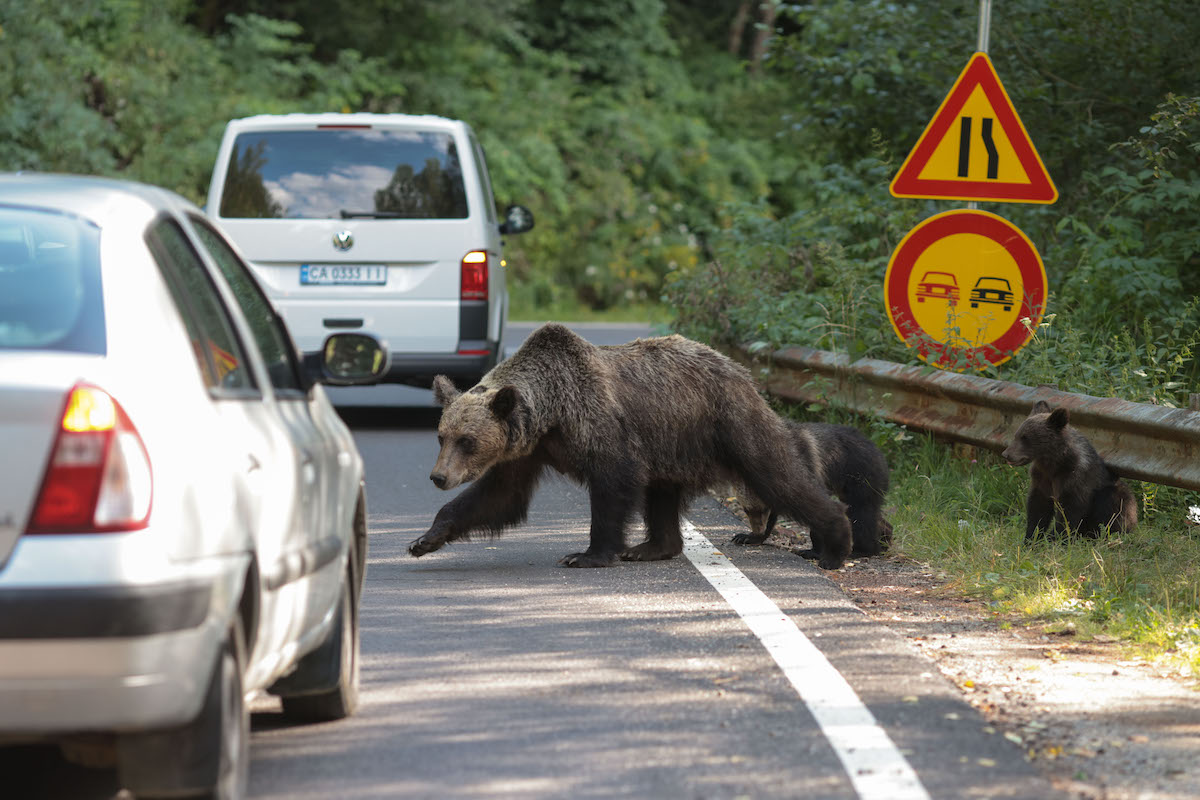
The Romanian government has taken a significant step in addressing the growing issue of human-bear interactions by approving a new emergency ordinance. This legislation, announced by Environment Minister Diana Buzoianu on November 6, introduces strict penalties for feeding wild bears and aims to reduce the risks associated with these encounters.
Fines for Feeding Wild Bears
Under the new rules, individuals found guilty of feeding wild bears could face fines ranging from RON 10,000 to RON 30,000 (approximately EUR 2,000–6,000). The ordinance also clearly defines key terms such as “feeding of bears” and “habituated bear,” which are intended to create a legal framework for managing wildlife in populated areas.
This move is part of a broader strategy to prevent bears from becoming accustomed to human presence, which can lead to dangerous situations. By discouraging feeding, the government hopes to mitigate the risk of bears entering urban areas and coming into contact with people.
Emergency Response Protocols
In addition to the fines, the ordinance introduces new procedures for handling bear-human incidents in urban settings. Local emergency committees will now have the authority to take immediate action, including chasing the animal away, relocating it, or even shooting it if necessary. This decision-making process bypasses the usual step-by-step protocol, allowing for quicker responses to potential threats.
These committees will also be able to meet electronically, ensuring that decisions can be made even when all members cannot be physically present. Additionally, local police representatives may join the committees, replacing the Gendarmerie when needed. This change is expected to improve response times and enhance coordination during emergencies.
Balancing Biodiversity and Public Safety
Minister Buzoianu emphasized that the new measures represent a “balanced” approach between protecting biodiversity and ensuring public safety. She highlighted that the risks are significantly higher when bears enter towns, making it essential to implement effective strategies to manage these interactions.
The government’s focus on public safety is not at the expense of conservation efforts. Instead, the new regulations aim to create a safer environment for both humans and bears while preserving the natural habitat of these animals.
Scientific Study on Bear Populations
Romania is also set to release the results of a nationwide scientific study on bear populations by the end of November. This research, based on DNA samples collected over the past two years, will map bear distribution and identify high-risk areas. These findings will serve as the foundation for future intervention quotas and help guide conservation efforts.
The study will include an official map outlining different zones in Romania, indicating which areas are considered high-risk. This zoning will be based on regions where bear-human incidents have occurred, as well as expert analysis. The goal is to propose appropriate intervention measures that address specific challenges in each area.
Preliminary Findings and Ongoing Research
Earlier this year, the Ministry of Environment shared preliminary results of the study, estimating Romania’s brown bear population. The research, which analyzed over 24,000 genetic samples from 25 counties, suggested that the country is home to between 10,419 and 12,770 brown bears.
This ongoing research is crucial for understanding the dynamics of bear populations and developing effective management strategies. It also highlights the need for continued monitoring and adaptation of policies to ensure the long-term sustainability of bear populations.
Challenges and Concerns
Despite the government’s efforts, there are concerns about the impact of human activities on bear behavior. Experts have warned that feeding bears can alter their natural habits, making them more dependent on human-provided food. This can lead to increased aggression and pose a threat to both the bears and humans.
Environmental groups have also raised concerns about the effectiveness of hunting as a solution to reduce bear attacks. They argue that sustainable population management requires a more comprehensive approach that includes education, habitat preservation, and community engagement.
Conclusion
The new emergency ordinance marks a significant shift in how Romania addresses the challenges of human-bear coexistence. By introducing strict penalties for feeding bears, streamlining emergency response protocols, and supporting scientific research, the government is taking a proactive approach to protect both people and wildlife.
As the country continues to monitor and adapt its strategies, the focus remains on finding a balance between conservation and public safety, ensuring that both humans and bears can thrive in their shared environment.