

The Future of Autonomous Driving
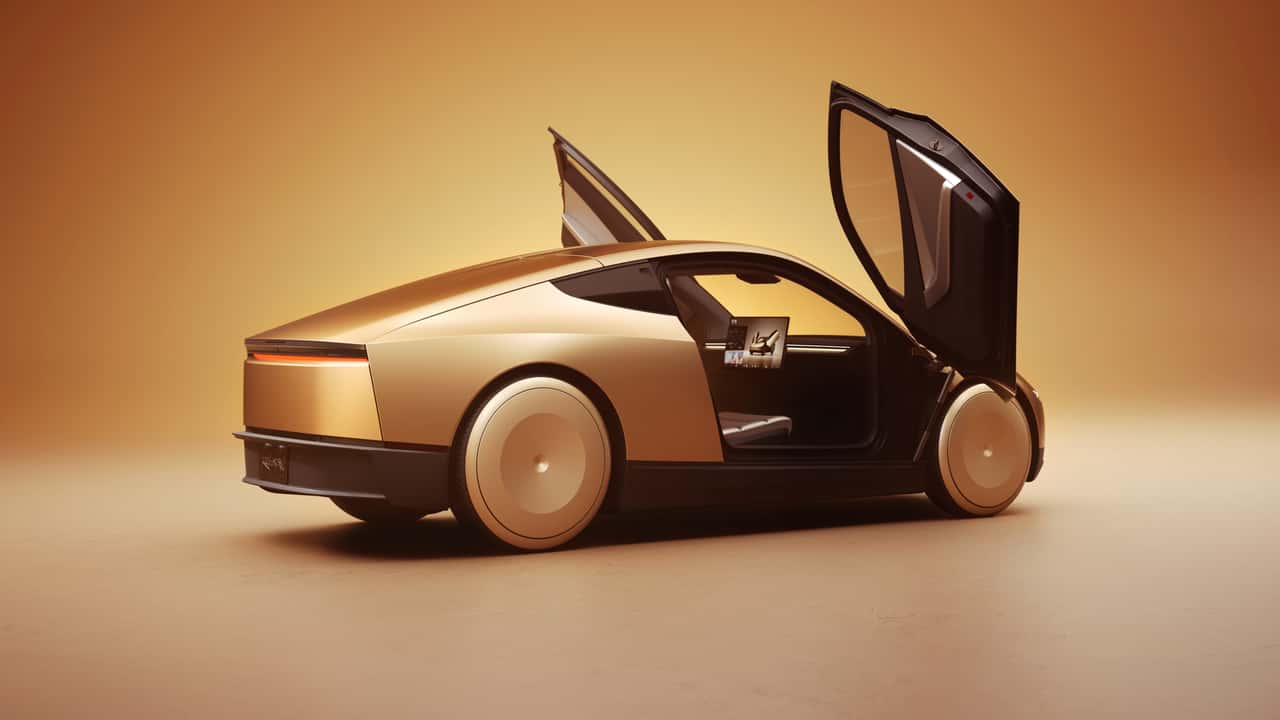
Tesla CEO Elon Musk has once again captured the attention of the automotive world with his announcement about the upcoming Cybercab. This vehicle, which is set to be unveiled without traditional controls like pedals or a steering wheel, represents a significant leap forward in autonomous technology. According to Musk, production of the Cybercab will begin at Tesla’s Gigafactory Texas in April 2026, marking a pivotal moment for the company and the broader industry.
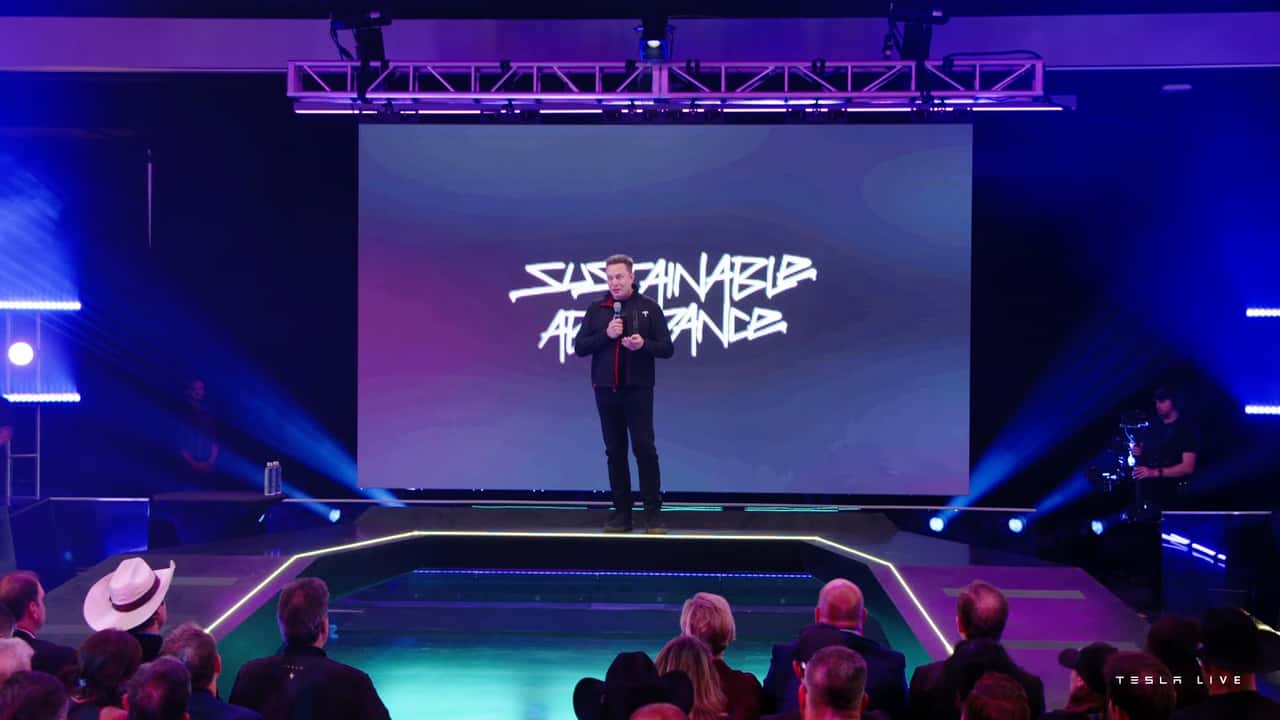
The Cybercab, a two-door coupe, was first introduced during the “We, Robot” event last year. It is designed to leverage the same advanced computing and sensor systems that power Tesla’s current Full Self-Driving (FSD) software found in models like the Model 3 and Model Y. However, unlike current FSD-equipped vehicles, the Cybercab is intended to be fully autonomous, eliminating the need for driver supervision.
Despite this vision, the final design of the Cybercab may still be influenced by regulatory requirements. Tesla chair Robyn Denholm mentioned to Bloomberg that if necessary, the vehicle could include a steering wheel and pedals. This flexibility highlights the complex interplay between technological innovation and legal constraints.
Revolutionary Manufacturing Process
In addition to its autonomous capabilities, the Cybercab will also feature a groundbreaking manufacturing approach. Tesla plans to use a novel “Unboxed” method, where different parts of the vehicle are assembled separately before being brought together at the end. This process is a departure from traditional assembly lines and is expected to streamline production significantly.
Musk described the manufacturing process as being closer to high-volume consumer electronics than traditional car manufacturing. He highlighted the potential for an exceptionally fast production cycle, aiming for a unit every ten seconds. This ambitious goal suggests that Tesla is pushing the boundaries of what is possible in vehicle production.
While such a rapid production rate could theoretically allow Tesla to build up to 5 million vehicles annually, it is important to note that Musk’s previous forecasts have often been met with skepticism. Nevertheless, the company remains committed to its vision of transforming the automotive landscape.
Strategic Goals and Challenges
The production update for the Cybercab comes on the heels of Tesla shareholders approving Musk’s $1 trillion compensation plan. As part of this agreement, Musk must achieve key targets, including scaling robotaxis to 10 million operational units within the next decade and selling 20 million passenger vehicles. These goals are ambitious and reflect the high expectations placed on Musk and his team.
While the potential profitability of the robotaxi business remains uncertain, Musk’s commitment to these targets underscores his determination to remain at the helm of Tesla. His long-standing promises of innovation and disruption continue to drive the company forward, even as challenges and uncertainties persist.
Conclusion
As Tesla prepares to launch the Cybercab, the automotive industry watches closely. The combination of cutting-edge technology, innovative manufacturing, and ambitious strategic goals positions Tesla as a leader in the future of transportation. Whether the Cybercab will live up to the hype remains to be seen, but one thing is clear: Elon Musk is not going anywhere.