
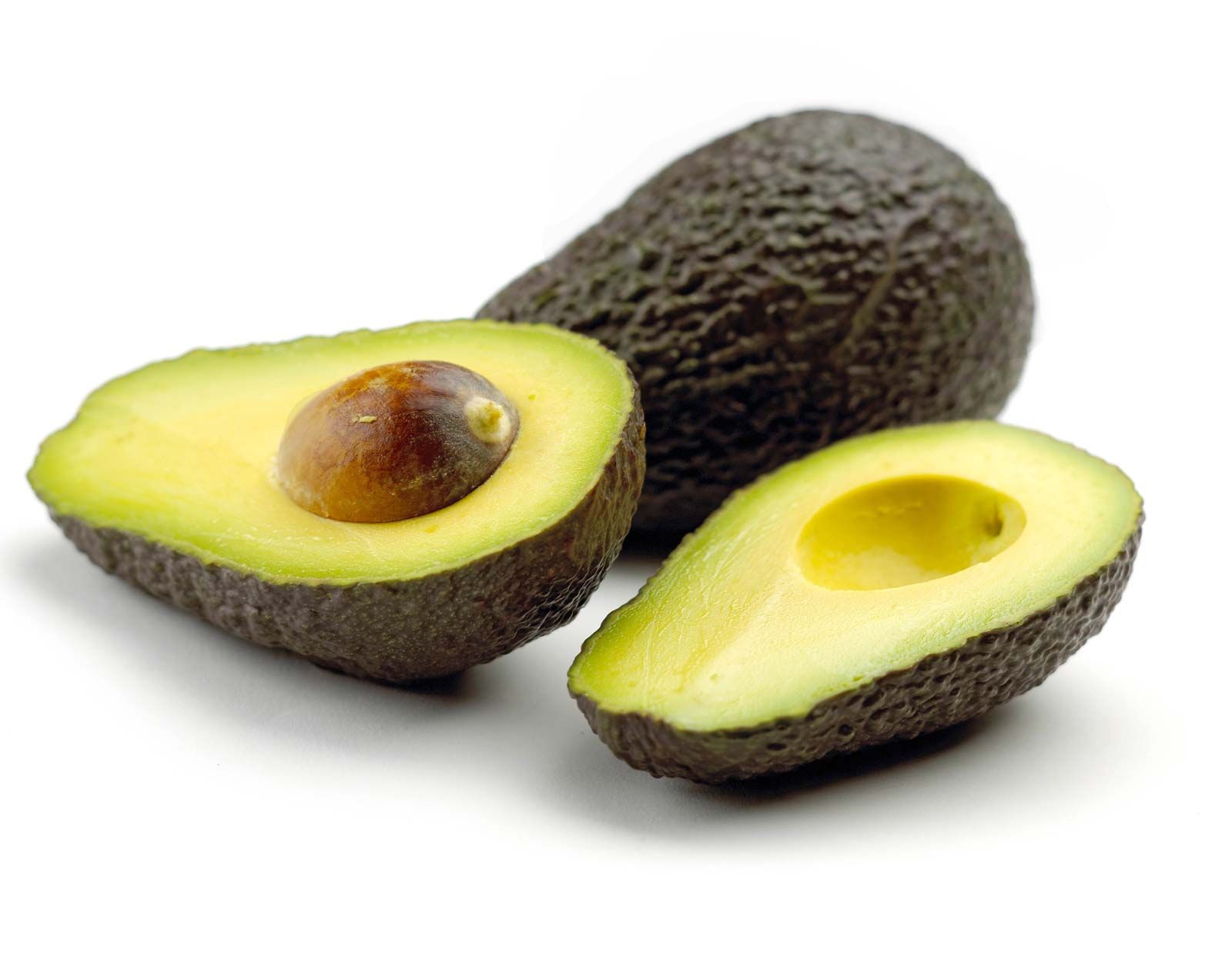
Rwanda’s Avocado Exports to China: A New Era for Horticulture
Rwanda is making significant strides in its horticulture sector, particularly with the recent move to finalize a protocol allowing avocado exports to China. This development marks a pivotal moment for local farmers and exporters, opening the door to one of the world’s largest and most dynamic consumer markets. With a rapidly expanding middle class and evolving dietary preferences, China has shown a growing appetite for fresh produce, especially premium fruits like avocados.
For Rwandan exporters, this opportunity represents more than just access to a new market—it could mean consistent demand, better prices, and the potential for long-term trade partnerships. According to Robert Rukundo of the Horticulture Exporters Association, China could quickly become one of the biggest destinations for Rwandan avocados, marking a crucial shift for an export sector that has traditionally relied heavily on Dubai and parts of Europe.
The data supports this optimism. Over the past decade, avocado export revenues have surged from $440,000 in 2013 to $6.3 million in 2023. With the government aiming to increase exports tenfold to 31,000 tonnes by 2029, tapping into markets like China and India is essential for achieving these ambitious targets.
Expanding Opportunities and Value Addition
The proposed expansion of avocado exports will also support ongoing investments in processing, such as avocado oil production. These initiatives add value locally, create jobs, and help diversify the economic benefits derived from the sector. By investing in processing capabilities, Rwanda can not only meet the demands of international markets but also strengthen its domestic industry.
However, accessing new markets is just one piece of the puzzle. Farmers like Theogene Twahirwa have emphasized that competitiveness will depend on several factors, including affordable financing, quality seeds, and stronger coordination between farmers, exporters, and government institutions. These elements are critical for ensuring that Rwandan avocados can compete effectively on the global stage.
Diversification as a Strategic Move
This development underscores the importance of diversification. In a world where market shocks and price fluctuations are common, relying on a few export destinations is risky. The Chinese market offers a valuable buffer, ensuring that Rwandan exporters are not at the mercy of volatile prices elsewhere. By spreading their export efforts across multiple markets, Rwandan producers can mitigate risks and build more resilient trade relationships.
With strategic investment and a focus on diversification, Rwanda’s “green gold” could soon find a lasting place on Chinese tables. This would not only strengthen rural livelihoods but also deepen global trade ties, positioning Rwanda as a key player in the international horticulture market.
Challenges and Future Prospects
While the opportunities are promising, there are challenges that must be addressed. Ensuring that the quality of avocados meets international standards is essential for maintaining a strong reputation in the Chinese market. Additionally, building infrastructure to support efficient logistics and storage will be critical for sustaining growth.
Furthermore, training and capacity-building programs for farmers will be necessary to improve productivity and ensure that they can meet the demands of larger markets. Collaboration between the public and private sectors will play a vital role in creating an ecosystem that supports sustainable growth in the horticulture sector.
As Rwanda continues to expand its horticultural exports, the partnership with China represents a significant milestone. It is a testament to the country’s commitment to innovation, resilience, and economic diversification. With the right strategies in place, the future looks bright for Rwanda’s avocado industry and its broader horticulture sector.