
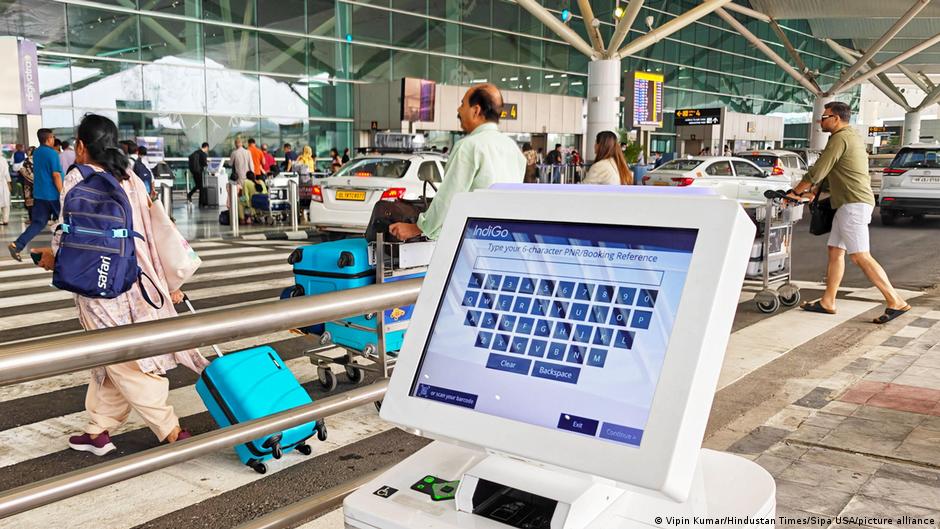
A technical problem disrupted air traffic control operations, leading to manual flight processing and significant delays at one of the world’s busiest airports.
Indira Gandhi International Airport in Delhi, India, reported a technical malfunction in its Air Traffic Control (ATC) system on Friday morning. This issue affected numerous flights at the airport, which is among the most active air hubs globally.
The airport issued an advisory on X, stating, “Due to a technical issue with the Air Traffic Control System, flight operations at Indira Gandhi International Airport are experiencing delays.”
Several major airlines have confirmed that their operations were impacted by the disruption. Top domestic carriers such as IndiGo, Air India, and SpiceJet reported longer waiting times for passengers. IndiGo, which holds nearly 65% of the country’s air traffic share, mentioned that flight operations in Delhi and several northern regions were affected.
The Airport Authority of India attributed the problem to a technical issue with the Automatic Message Switching System (AMSS), which supports ATC data. The authority stated that air traffic controllers are currently handling flight plans manually, which has contributed to the delays.
“Technical teams are working to restore the system at the earliest,” the authority said in a statement on X.
According to data from FlightRadar24, a real-time air travel tracking service, dozens of flights were affected, with an average delay of 55 minutes for departures. This disruption highlights the critical role of automated systems in managing air traffic efficiently.
Delhi Airport handled approximately 78 million passengers in 2024 and over 110 million between January and August of 2025, according to figures from the Directorate General of Civil Aviation. These numbers underscore the airport’s significance in India’s aviation sector.
The incident has raised concerns about the reliability of critical infrastructure in high-traffic airports. While the technical teams are working to resolve the issue, passengers and airlines continue to face challenges due to the ongoing delays.
This event serves as a reminder of the complexities involved in managing air traffic, especially in large and busy airports. As technology continues to evolve, ensuring the stability and efficiency of systems like ATC and AMSS remains a top priority for aviation authorities worldwide.
The situation also emphasizes the need for robust contingency plans to handle unexpected disruptions. Manual processing, while a necessary fallback, can significantly impact operational efficiency and passenger experience.
As the technical teams work to restore full functionality, the focus remains on minimizing further delays and ensuring the safety and smooth operation of flights. The incident highlights the importance of continuous monitoring and maintenance of critical systems in the aviation industry.