A Glimpse into the Past: The Sabuk Incident and Its Lasting Impact
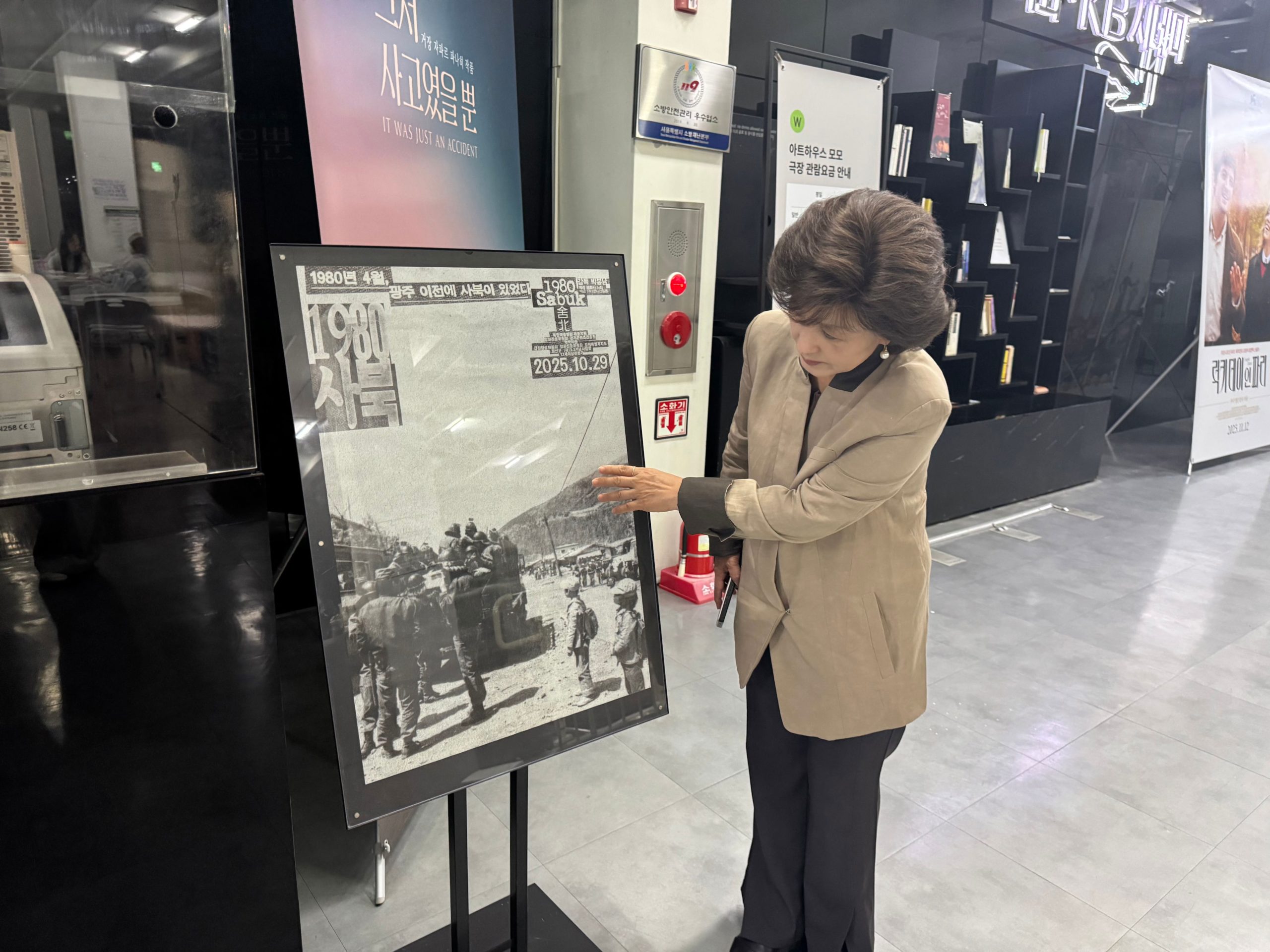
On the evening of the 7th at 7 p.m., Park Sun-young, chairperson of the Truth and Reconciliation Commission for Past Incidents in Korea, visited Art House Momo at Ewha Womans University in Seoul. There, the documentary‘1980 Sabuk’was being screened. As a former journalist, she recalled weeping over the miners’ harsh living conditions during her coverage of the Sabuk coal mining town in 1981, one year after the Sabuk Incident.
Park shared her memories, describing the faces of young wives in their 30s, whose husbands were miners, as all cracked, and the 7 to 8 pyeong houses they lived in as covered with thin corrugated iron sheets, lacking proper roofs. These images painted a vivid picture of the difficult lives endured by the miners and their families.
The Sabuk Incident: A History of Struggle and Conflict
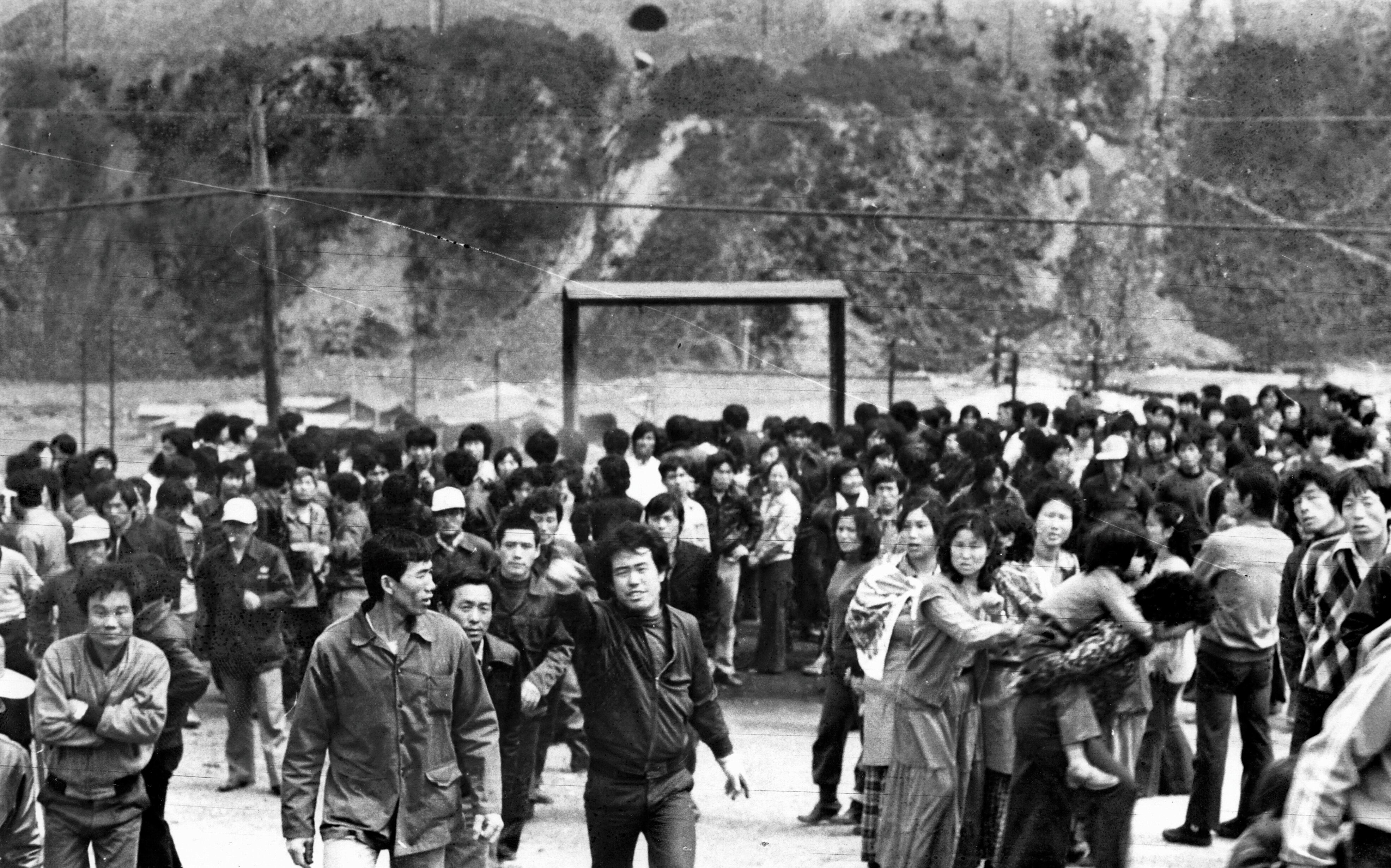
The Sabuk Incident was a general strike that erupted from April 21 to 24, 1980, in Sabuk-eup, Jeongseon County. It was led by miners from Dongwon Coal Mine protesting the company’s minor wage increase and poor working conditions. During clashes with police, the miners destroyed the Sabuk police station and the company office, throwing stones at the officers. The violence escalated into a bloody conflict, resulting in one police death and nearly 70 injuries. At the time, the Martial Law Command arrested 81 individuals on charges including violations of martial law decrees.
Park emphasized the significance of the documentary‘Sabuk 1980’, which sheds light not only on the Dongwon Coal Mine miners, who were previously recognized as victims of state violence, but also on the police officers involved in the suppression as victims. The film includes interviews with former Yeongwol Police Station officers, such as Jin Moon-gyu, 72, who suffered a skull fracture from a stone thrown by miners; Choi Byung-joo, 85, who experienced a concussion after a stone pierced his helmet; and Lee Jong-hwan, 75, whose cervical vertebra was broken and arm dislocated after being beaten by miners.
The Role of the Truth and Reconciliation Commission
According to Park, the Truth and Reconciliation Commission (TRC) investigates cases based on applications from victims or bereaved families. This means that damages suffered by public officials like police often remain undisclosed due to lack of applications. She added, “I hope those who were trapped in the framework of being ‘suppression police’ and unable to share their pain have found some healing through this interview.”
Park stated, “It is more heartfelt that the Sabuk Incident was the first case I clarified as chairperson after taking office in December of last year.” The second TRC recognized the Sabuk Incident as a grave human rights violation at its 93rd meeting last year, recommending the state apologize to bereaved families, restore their honor, support retrials, and promote commemorative projects. While the first TRC acknowledged torture and cruel treatment in 2008, it was not until December of last year that individual victims’ human rights violations were officially recognized.
The Documentary: A Balanced Perspective
‘1980 Sabuk’, released in over 30 theaters nationwide on the 29th of last month, stands out for its balanced perspective and thorough reporting. It won the Special Jury Prize at this year’s EBS International Documentary Film Festival and the Grand Prize in the Korean Competition Feature category at last year’s DMZ International Documentary Film Festival. Director Park Bong-nam spent five and a half years contacting miners, injured police officers, and victims’ families to uncover the incident’s hidden truths.
Park said, “I aimed to present each side’s stance and stories as they were, without taking sides, and objectively examine the wounds left by this incident.” The film serves as a powerful reminder of the complexities and lasting effects of historical conflicts, offering a platform for voices that have long been silenced.