
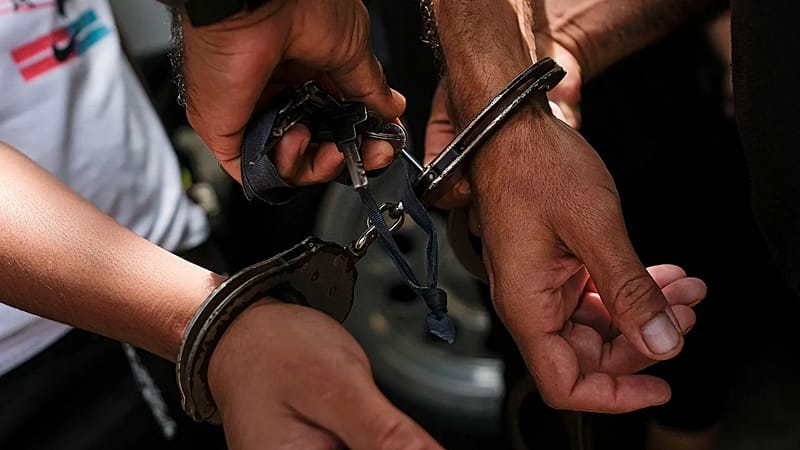
Spanish Police Arrest 13 Suspects Linked to Venezuelan Tren de Aragua Gang
Spanish authorities have made a significant move in their ongoing efforts to combat transnational criminal organizations. On Friday, they announced the arrest of 13 individuals suspected of being members of the Tren de Aragua gang, a notorious group originally from Venezuela. This operation marks the first major effort in Spain to dismantle a suspected cell of this organization, which was designated as a foreign terrorist organization by the U.S. government in February.
The arrests occurred across five cities: Barcelona, Madrid, Girona, A Coruña, and Valencia. The operation was part of a broader strategy to target the gang’s activities within Spain. As part of the crackdown, police also dismantled two laboratories used to manufacture tusi, a dangerous mixture of cocaine, MDMA, and ketamine. In addition, they seized other synthetic drugs and quantities of cocaine.
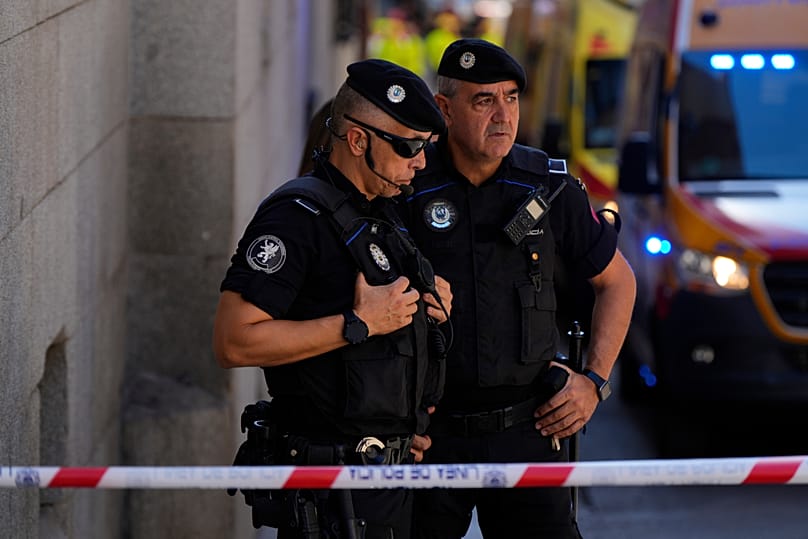
This latest action followed an investigation initiated by Spanish police last year. The probe began after the brother of “Niño Guerrero,” the leader of the Tren de Aragua gang, was arrested in Barcelona under an international arrest warrant issued by Venezuelan authorities. The arrest highlighted the growing collaboration between law enforcement agencies in different countries to tackle the gang’s influence.
The Tren de Aragua gang originated over a decade ago in one of Venezuela’s most lawless prisons, located in the central state of Aragua. It was formed by hardened criminals who later expanded their operations beyond the prison walls. Over the years, the gang has become known for its violent activities, including drug trafficking, extortion, and murder.
In recent years, the gang has grown significantly due to the mass migration of Venezuelans fleeing economic turmoil. More than 7.7 million Venezuelans have left their country, many settling in Latin American nations, the United States, and Spain. This migration has allowed the gang to establish new networks and expand its reach into different regions.
The Tren de Aragua gang has become a key target for the Trump administration’s military actions against drug smuggling vessels in the eastern Pacific and Caribbean. These strikes are part of a broader effort to curb the flow of narcotics into the U.S. and to crack down on immigration issues. The administration has justified these operations by claiming that the U.S. is in an “armed conflict” with drug cartels like the Tren de Aragua.
On the same day as the Spanish arrests, the Trump administration announced another deadly strike. Officials reported that the target vessel was involved in trafficking narcotics in the Caribbean Sea. This incident brings the death toll from the administration’s campaign in South American waters to at least 69 people across 17 strikes.
The continued escalation of these military actions underscores the complex and often violent nature of the fight against drug trafficking. While authorities argue that such measures are necessary to protect national security, critics raise concerns about the human cost and the potential for collateral damage.
As the global community grapples with the challenges posed by transnational criminal organizations, the cooperation between different nations becomes increasingly vital. The Spanish operation serves as a reminder of the far-reaching impact of gangs like the Tren de Aragua and the need for coordinated international efforts to address their activities.