
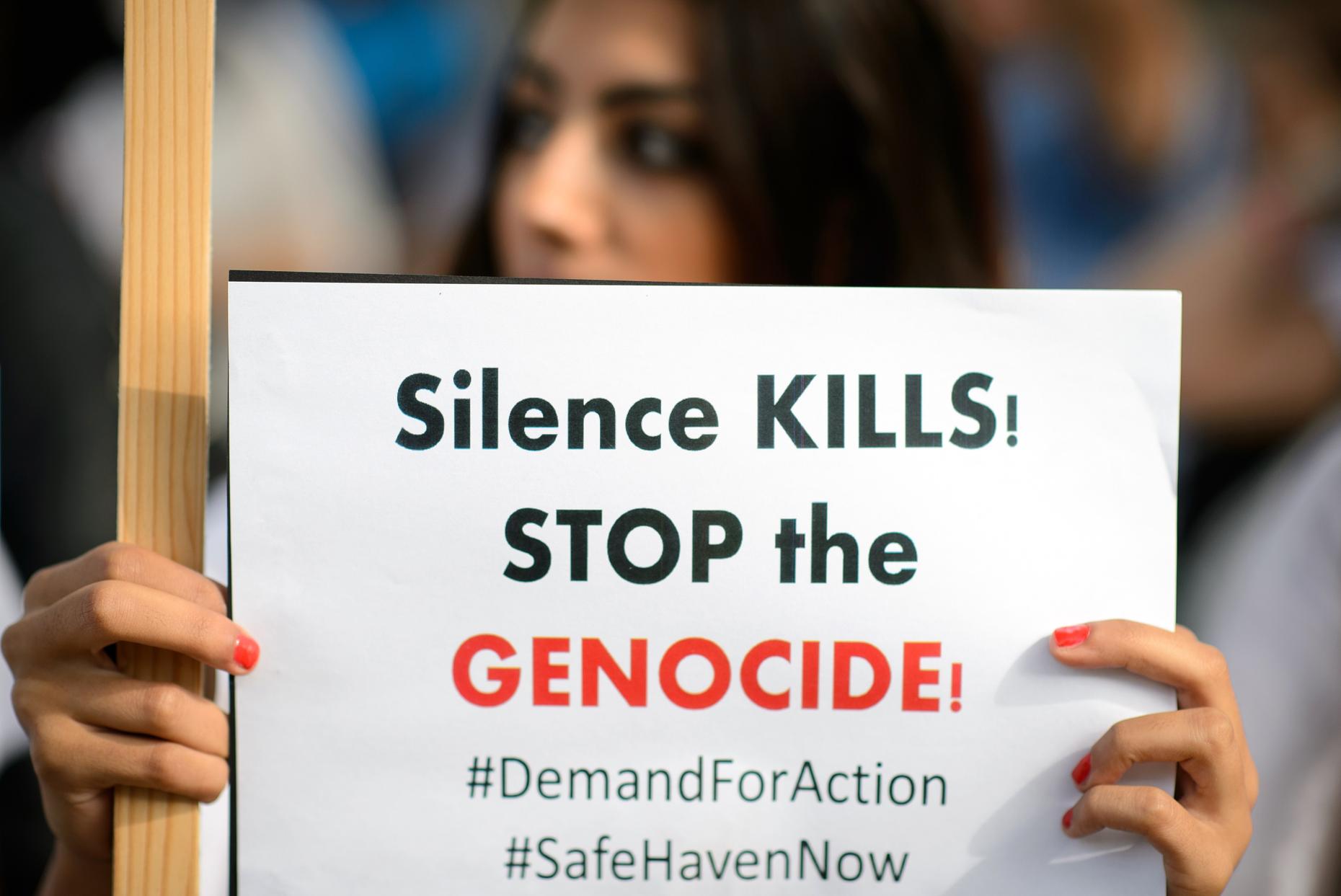
Key Figures in Nigerian Politics Respond to Allegations
A prominent figure within the African Democratic Congress (ADC), Dele Momodu, has refuted claims that the opposition was responsible for former US President Donald Trump’s recent remarks about Christians being targeted by armed groups in Nigeria. During an interview on Channels Television’s The Morning Brief, Momodu expressed his skepticism towards those who attributed the comments to the opposition.
“Look, my brother, anyone who sees opposition behind this is just being clear that they have run out of ideas,” he stated. Momodu, who is also the publisher of Ovation Magazine, questioned the logic behind such accusations, asking, “The opposition that is trying to put its act together now has time to go to Washington?”
He criticized the ruling All Progressives Congress (APC) for consistently blaming others for national issues. “So anyone blaming the opposition — of course, everything in Nigeria, when it’s not APC, they blame the immediate predecessor, even a man who has gone to join his ancestors, former President Muhammadu Buhari,” he said.
Momodu called on President Bola Tinubu’s administration to stop politicizing serious issues and instead focus on addressing the growing insecurity in the country. He referenced El-Buba, a man from Jos, stating, “I’ve been to his church before. He has cried out that Christians are being targeted and wiped out.” However, he emphasized that El-Buba did not claim Muslims were not being killed either.
“Life has become so cheap that even when 100 people die, the president can still travel that night. No empathy, no sympathy. That’s what opposition is talking about — and it has nothing to do with politics,” Momodu added.
Government Officials Weigh In on the Issue
Earlier in the week, the Minister of the Federal Capital Territory (FCT), Nyesom Wike, claimed that the opposition was behind Trump’s statement labeling the killings in Nigeria as a Christian genocide. He described the move as “politics taken too far.”
During an appearance on Channels Television’s Politics Today, Wike was asked if he believed the opposition was responsible. His response was clear: “It is very obvious, and I have said this.”
Wike further explained, “The problem we have today is that Mr President’s own nature of politics, you can see the collapse of the opposition. It will be difficult for anybody. The opposition today has seen that no party is prepared to challenge the President returning to power. ‘What do we do? Should we allow him to just go in like that without challenges? We must do something, and one of the things to do is bring up such a thing that will divide the country.'”
The Broader Implications
The debate highlights the complex relationship between political actors and the media in Nigeria. As allegations continue to circulate, the role of the opposition in shaping public discourse becomes increasingly significant. While some argue that these claims are politically motivated, others believe they reflect genuine concerns about the safety of religious communities across the nation.
The situation underscores the need for transparent dialogue and accountability from all political stakeholders. As tensions rise, it remains crucial for leaders to prioritize the well-being of citizens over partisan interests. The ongoing discussions around security, governance, and interfaith relations will likely shape the future of Nigerian politics in the coming years.