
Strategic Shifts in South Korea-U.S. Military Relations
Recent developments in the joint statements issued by South Korean and U.S. military authorities have raised concerns about the evolving approach to regional security. Notably, the phrase “a nuclear attack by North Korea would lead to the end of the Kim Jong-un regime” has been omitted from the upcoming joint statement of the South Korea-U.S. Security Consultative Meeting (SCM). This expression had been a consistent part of the SCM joint statement since 2022. While mentions of North Korea’s denuclearization are still included, the removal of the direct reference to Kim Jong-un is significant.
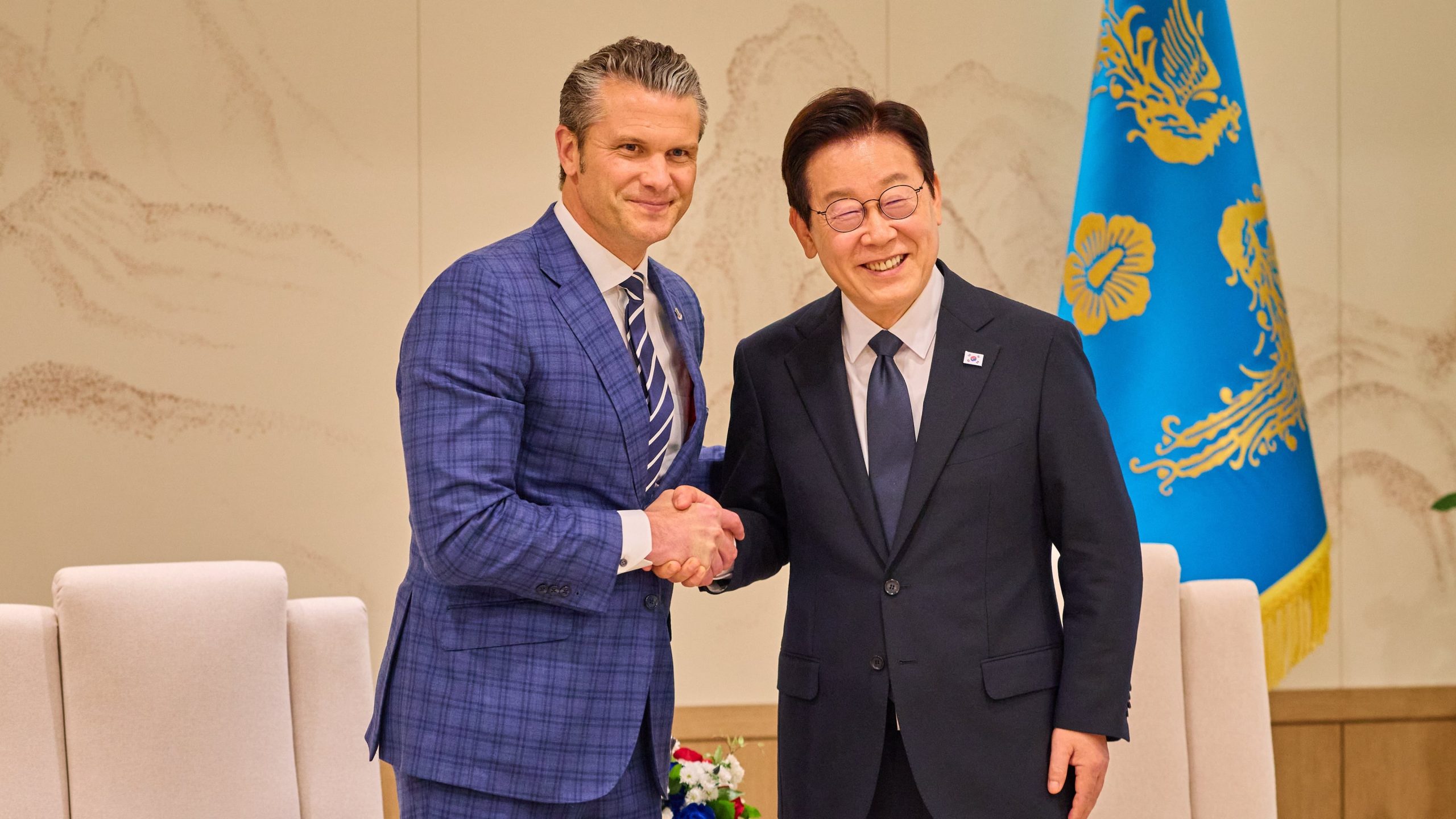
This change is believed to be influenced by the current administration’s desire to pursue an inter-Korean summit and Donald Trump’s interest in meeting Kim Jong-un to potentially gain a Nobel Peace Prize. The administration has delayed military drills that are unpopular with North Korea, including joint South Korea-U.S. exercises, in an effort to foster dialogue. President Lee recently remarked on North Korea’s ballistic missile activities, stating, “North Korean leader Kim Jong-un seems to have shown remarkable restraint for a very long time.” Trump has also suggested lifting sanctions on North Korea and even recognizing it as a nuclear state.
Implications of the Omitted Phrase
The omission of the phrase “if North Korea uses nuclear weapons, Kim Jong-un will die” raises questions about how Kim Jong-un might interpret this shift. It could signal to him that there is a possibility of survival if he were to launch a nuclear attack. This could increase the risk of miscalculation. The South Korean public may ultimately bear the cost of these political decisions aimed at appeasing Kim Jong-un.
Additionally, this year’s joint statement is reported to exclude the phrase “maintaining the current level of U.S. troops in South Korea.” This phrase had been consistently included since 2008, except for one instance in 2020 during Trump’s first term. Instead, the statement will include the phrase “strengthening the U.S. side’s conventional deterrence against all regional threats, including North Korea.” This reflects ongoing discussions about reducing U.S. troop numbers in South Korea and redefining their role.
Changing Roles of U.S. Troops in South Korea
Under the Trump administration, the U.S. has sought to shift the role of its troops in South Korea from solely deterring North Korea to also countering China. Reductions and relocations have been frequently discussed. Pete Hegseth, the War Minister, recently stated after the South Korea-U.S. ministerial meeting, “There is a need to enhance flexibility for U.S. troops in South Korea to respond to other emergencies in the region.”
Reducing U.S. troop numbers and altering their role could have serious implications for security on the Korean Peninsula. It may negatively impact the ability to respond to North Korea, which South Korea would then have to compensate for. This situation raises concerns about the overall security dynamics in the region.
Impact on Regional Stability
The recent changes in the SCM joint statement may pose challenges for South Korea while benefiting Kim Jong-un. The shifting focus of U.S. military strategy and the potential reduction in troop presence could create a power vacuum that North Korea might exploit. As the geopolitical landscape continues to evolve, the balance of power on the Korean Peninsula remains a critical issue for both South Korea and the United States.