
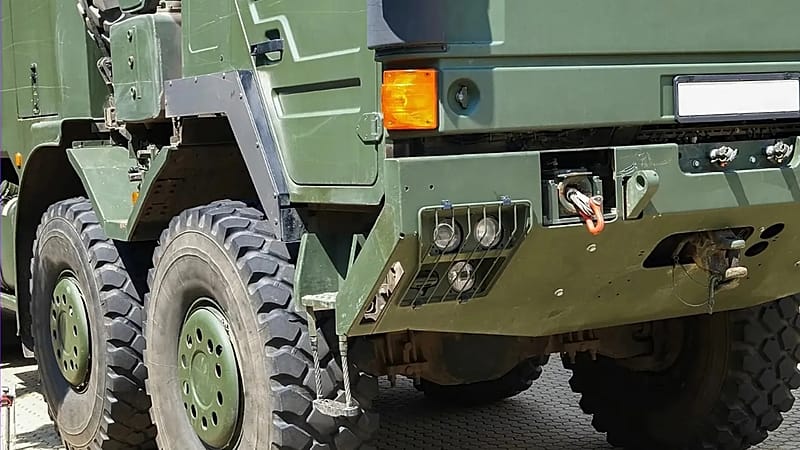
Europe’s First Autonomous Military Convoy Completes Final Demonstration in Spain
Europe has taken a significant step forward in military technology with the successful completion of its first autonomous military convoy. The final demonstration took place in Seville, Spain, and marked a milestone in the development of advanced logistics systems for the armed forces.
The event showcased a fleet of autonomous ground vehicles that operated in coordination, supported by an AI-driven navigation system. This project, known as Convoy Operations with Manned-unManneD Systems (COMMANDS), was funded by the European Union and aimed to revolutionize how military convoys function in complex environments.
About the COMMANDS Consortium
The COMMANDS consortium is led by Sener, a Spanish aerospace and defense company. It involved 21 European partners and received a €24.8 million investment from the European Defence Fund. The initiative focuses on integrating manned and unmanned systems both on the ground and in the air, improving military operations in “unstructured” environments where satellite signals may be weak or unavailable.
This collaboration represents a broader effort to modernize Europe’s military infrastructure, aligning with the European Commission’s strategic goals to enhance defense capabilities through cutting-edge technologies.
The Naviground System
A key component of the demonstration was the Naviground system, developed by Sener. This system uses a combination of sensors, artificial intelligence, machine learning, and 5G networks to enable autonomous movement of military vehicles. It allows vehicles to understand their surroundings and navigate without human intervention.
Sener has previously tested Naviground on various military vehicles, including logistics assistants and tanks. In a promotional video, the company described the system as “one of the great secret weapons” for enhancing how military vehicles operate together and exchange information.
Strategic Implications
The success of the COMMANDS project highlights the EU’s commitment to developing autonomous drones, unmanned aerial systems, and AI-driven defense applications. These technologies are seen as critical gaps that need to be addressed to strengthen Europe’s defense capabilities.
In a planning document, the European Commission emphasized the need for the defense industry to “design, develop, manufacture, and deliver these products and technologies faster and at scale.” This underscores the importance of innovation and efficiency in meeting future security challenges.
Future Outlook
While the project has successfully demonstrated the potential of autonomous military convoys, there are still challenges to overcome. These include ensuring robust communication systems, improving cybersecurity, and addressing ethical concerns related to the use of AI in warfare.
Despite these challenges, the COMMANDS initiative sets a strong foundation for future developments in military technology. It also serves as a model for international collaboration in defense innovation, showcasing how European countries can work together to achieve common goals.
As the EU continues to invest in advanced defense technologies, projects like COMMANDS will play a crucial role in shaping the future of military operations. With ongoing research and development, the integration of autonomous systems into military logistics is expected to become more widespread, offering enhanced efficiency and safety in complex operational environments.