
Government’s Commitment to Stabilizing Food Prices
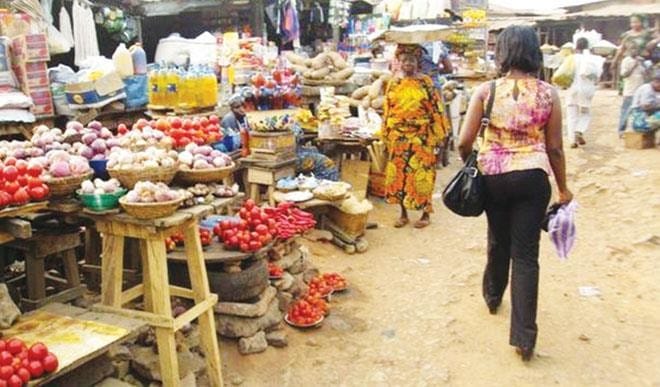
The federal government has announced its commitment to maintaining the recent decline in staple food prices across the country through continuous interventions along agricultural value chains. This initiative aims to ensure that essential food items remain affordable and accessible to all citizens.
At the 47th Regular Meeting of the National Council on Agriculture and Food Security (NCAFS) in Kaduna, the Minister of Agriculture and Food Security, Sen. Abubakar Kyari, highlighted the importance of these efforts. The meeting focused on the theme “Food Sovereignty and Food Security: An Era of Renewed Hope,” which underscores the nation’s commitment to a more resilient and self-sufficient agricultural system.
Enhancing Strategic Grain Reserve Silos
Kyari emphasized that operations at the National Strategic Grain Reserve Silos in several states, including Zamfara, Katsina, Nasarawa, Adamawa, Niger, Osun, Edo, and Kwara, are being enhanced for greater efficiency and capacity. These facilities play a crucial role in ensuring food security and stabilizing prices of essential food items.
By integrating these silos into the national food distribution framework, the government aims to create a responsive system that can quickly address shortages and support long-term food stability. This strategic approach is expected to provide timely interventions during periods of scarcity, ensuring that the population remains well-fed and supported.
A New Course Toward Agricultural Self-Sufficiency
The minister also spoke about Nigeria’s new course toward all-year-round farming and self-sufficiency in wheat production. He stated that this shift is bringing the country closer to meeting its national demand for essential staples.
Food sovereignty, as explained by Kyari, involves control over what the nation grows, how it is grown, and how it is consumed. On the other hand, food security ensures that every household has access to safe, affordable, and nutritious food. Together, these concepts define the pathway toward an inclusive and resilient agricultural system that leaves no one behind.
Positive Trends in Food Prices
Kyari noted that the country is already witnessing a decline in food prices across several commodities as a result of ongoing targeted market interventions. While he acknowledged that the nation is not yet where it wants to be, he expressed optimism about the positive trend, stating that it confirms progress in the right direction.
Consistent, high-yield production supported by timely access to quality and affordable inputs is identified as a key step toward achieving food sovereignty. This approach is critical for ensuring sustainable agricultural practices and long-term food security.
Strengthening Agricultural Programs
In collaboration with the African Development Bank (AfDB) and state governments, the ministry has strengthened the National Agricultural Growth Scheme-Agro-Pocket (NAGS-AP) as Nigeria’s flagship programme for input delivery and productivity expansion. This initiative has been instrumental in expanding wheat production across the country.
From 15 participating states in the 2023/2024 dry season, the programme has now expanded to cover a broader area in the 2024/2025 farming season. The increase in scale reflects ongoing efforts to enhance production capacity and boost self-sufficiency in key staples.
Conclusion
The government’s initiatives and collaborations with various stakeholders are laying the foundation for a more stable and secure food system. By focusing on food sovereignty and security, Nigeria is taking significant steps toward a future where all citizens have access to nutritious and affordable food. These efforts are not only addressing immediate challenges but also building a resilient agricultural sector for the long term.