
A Public Apology and a Step Toward Reconciliation
American rapper Kanye West, widely known by his stage name Ye, has made a public apology to Moroccan-Israeli Rabbi Yoshiyahu Pinto in New York. This gesture, described by the artist as a result of repentance and a sense of responsibility, comes after years of controversial statements that were often perceived as antisemitic. These remarks significantly impacted his global image and sparked widespread criticism from various communities.
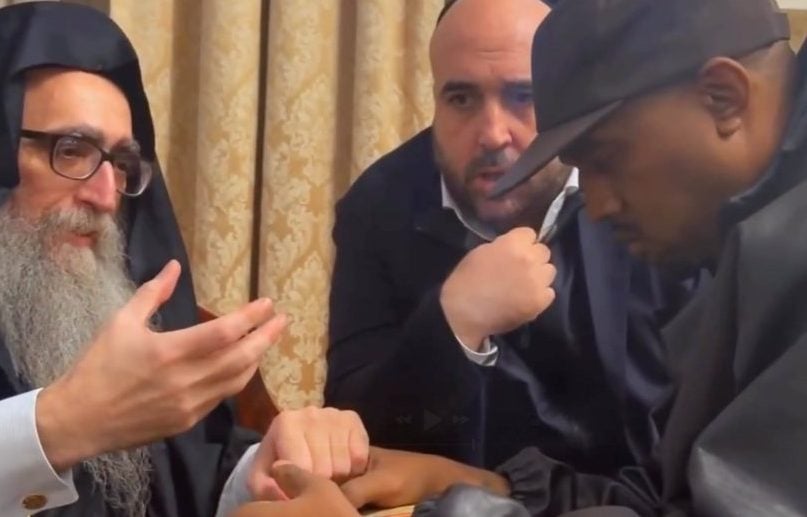
An unexpected scene captured the attention of social media users yesterday, on Thursday. It showed a somber Ye sitting next to Rabbi Pinto, an influential spiritual leader and recognized Kabbalist who heads the Rabbinic Tribunal of Morocco. The meeting was a significant moment, highlighting a shift in Ye’s approach to addressing past controversies.
Through a translator, Ye expressed his feelings about being present at the meeting. He stated that he felt “blessed to be here today, to be able to take [his] responsibilities” and “make amends” for his past words. This statement reflects a personal acknowledgment of the harm caused by his previous comments.
Rabbi Pinto, known for his efforts in promoting religious and cultural dialogue, responded with a gentle tone. He reminded Ye that “Judaism is founded on repentance” and encouraged him to view this gesture as a deeper spiritual commitment. This exchange underscores the importance of understanding and respect between different faiths and communities.
The Impact of Public Apologies
Public apologies can serve as powerful tools for reconciliation and healing. In Ye’s case, the apology to Rabbi Pinto represents a step toward addressing the damage caused by his previous statements. While it may not erase the past, it signals a willingness to take responsibility and seek forgiveness.
The significance of such gestures lies in their ability to foster dialogue and understanding. By engaging with individuals from different backgrounds, public figures like Ye can contribute to a more inclusive and respectful environment. This incident highlights the potential for personal growth and the importance of acknowledging one’s mistakes.
The Role of Religious Leaders
Religious leaders play a crucial role in guiding their communities and promoting unity. Rabbi Pinto’s response to Ye’s apology exemplifies the values of compassion and forgiveness. His emphasis on repentance aligns with the core principles of Judaism, which encourage individuals to reflect on their actions and strive for improvement.
This interaction also showcases the power of interfaith dialogue. By engaging with someone from a different background, Rabbi Pinto demonstrates the importance of building bridges between communities. Such efforts can help reduce tensions and promote mutual respect.
Moving Forward
As Ye continues to navigate the complexities of his public persona, this apology serves as a reminder of the impact of words and actions. It is essential for individuals in the public eye to recognize the influence they hold and to use it responsibly.
The path to reconciliation is often long and challenging, but it begins with a sincere acknowledgment of wrongdoing. Ye’s gesture, while just one step, can pave the way for greater understanding and positive change. It is a testament to the possibility of growth and the importance of taking responsibility for one’s actions.