
Pro-Palestinian Activists Arrested for Smoke Bomb Incident at Paris Concert
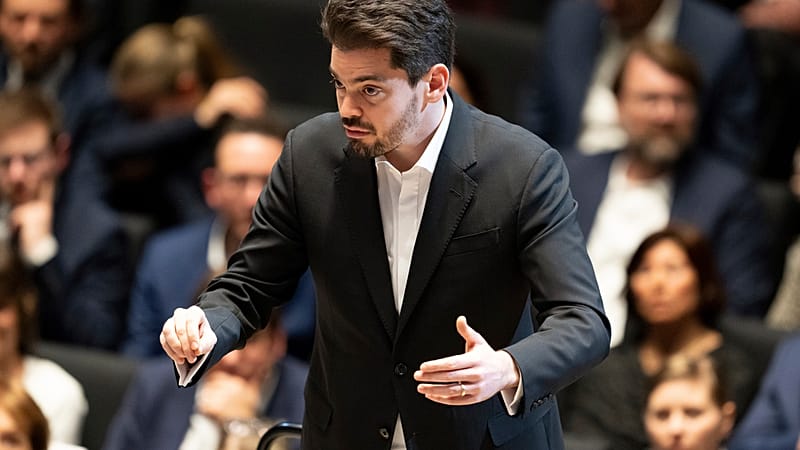
Four pro-Palestinian activists have been arrested following an incident during a concert in Paris by the Israel Philharmonic Orchestra. The event took place at the Philharmonie de Paris, where smoke bombs were reportedly set off during a performance led by Israeli conductor Lahav Shani.
The devices were activated in the Pierre-Boulez room, causing confusion among attendees. Online videos captured an individual holding a smoke bomb from the audience area, while other spectators attempted to intervene. The incident led to several disruptions and confrontations between the demonstrators and members of the public.
In response, the Philharmonie de Paris issued a statement expressing regret over the three interruptions and “clashes” that occurred. The venue strongly condemned the actions and emphasized that “nothing can justify such behavior.”
This event has sparked renewed debate about the role of cultural institutions in addressing political issues. On 29 October, the CGT Spectacle trade union, which represents employees in the entertainment sector, called for the concert to be contextualized. According to the union, the Philharmonie de Paris had a responsibility to inform its audience about the “extremely serious accusations” directed at Israeli leaders.
The Minister of Culture, Rachida Dati, publicly supported the Israel Philharmonic Orchestra. She stated on X that “nothing justifies a call for a boycott of this moment of culture.” Dati also reaffirmed the importance of “freedom of creation and programming,” adding that “there is no excuse for anti-Semitism.”
This controversy is not isolated. In September, the Ghent Festival in western Belgium canceled a concert that Lahav Shani was scheduled to conduct with the Munich Philharmonic Orchestra. According to Shani, the festival management had requested him to make a “political statement despite [his] long-standing and publicly expressed commitment to peace and reconciliation.”
German Chancellor Friedrich Merz also addressed the issue, condemning “the poison of anti-Semitism.” His comments highlight the growing concern over the intersection of politics and culture, particularly in the context of ongoing conflicts in the Middle East.
Background on the Israel Philharmonic Orchestra
The Israel Philharmonic Orchestra (IPO) is one of the most renowned orchestras in the world. Founded in 1936, it has performed across the globe and is known for its high level of musical excellence. The orchestra has a rich history of collaboration with some of the most celebrated conductors, including Zubin Mehta, who served as its principal conductor for many years.
Lahav Shani, the current chief conductor, has been widely praised for his leadership and vision. He has worked with major orchestras around the world and is known for his dedication to promoting peace through music. Despite his efforts, he has faced criticism from various groups, including those who oppose the policies of the Israeli government.
The Role of Cultural Institutions
Cultural institutions like the Philharmonie de Paris often find themselves at the center of political debates. While they aim to provide a space for artistic expression and cultural exchange, they are also expected to navigate complex social and political issues. This incident highlights the challenges faced by such institutions in maintaining neutrality while responding to the concerns of their audiences.
The arrest of the four activists underscores the tension between free speech and public safety. While the right to protest is protected, the use of disruptive tactics can lead to legal consequences. The Philharmonie de Paris has taken a firm stance against the actions of the demonstrators, emphasizing the importance of respecting the venue and its purpose.
Ongoing Debates and Future Implications
The events in Paris have reignited discussions about the responsibilities of cultural organizations in times of conflict. As global tensions continue to rise, it remains to be seen how these institutions will balance their roles as platforms for art and culture with the need to address pressing social issues.
The situation also raises questions about the broader implications of political activism within cultural spaces. While some argue that art should remain separate from politics, others believe that cultural institutions have a duty to reflect the values and concerns of their communities.
As the debate continues, the focus remains on finding ways to foster dialogue, promote understanding, and ensure that cultural events remain safe and inclusive for all.