
Kazakhstan’s Symbolic Move into the Abraham Accords
Kazakhstan is set to make a symbolic move by joining the Abraham Accords, an initiative that marked a significant milestone during the first term of former U.S. President Donald Trump. This development aims to strengthen the accords, which facilitate diplomatic relations between Israel and several Arab and Muslim-majority countries.
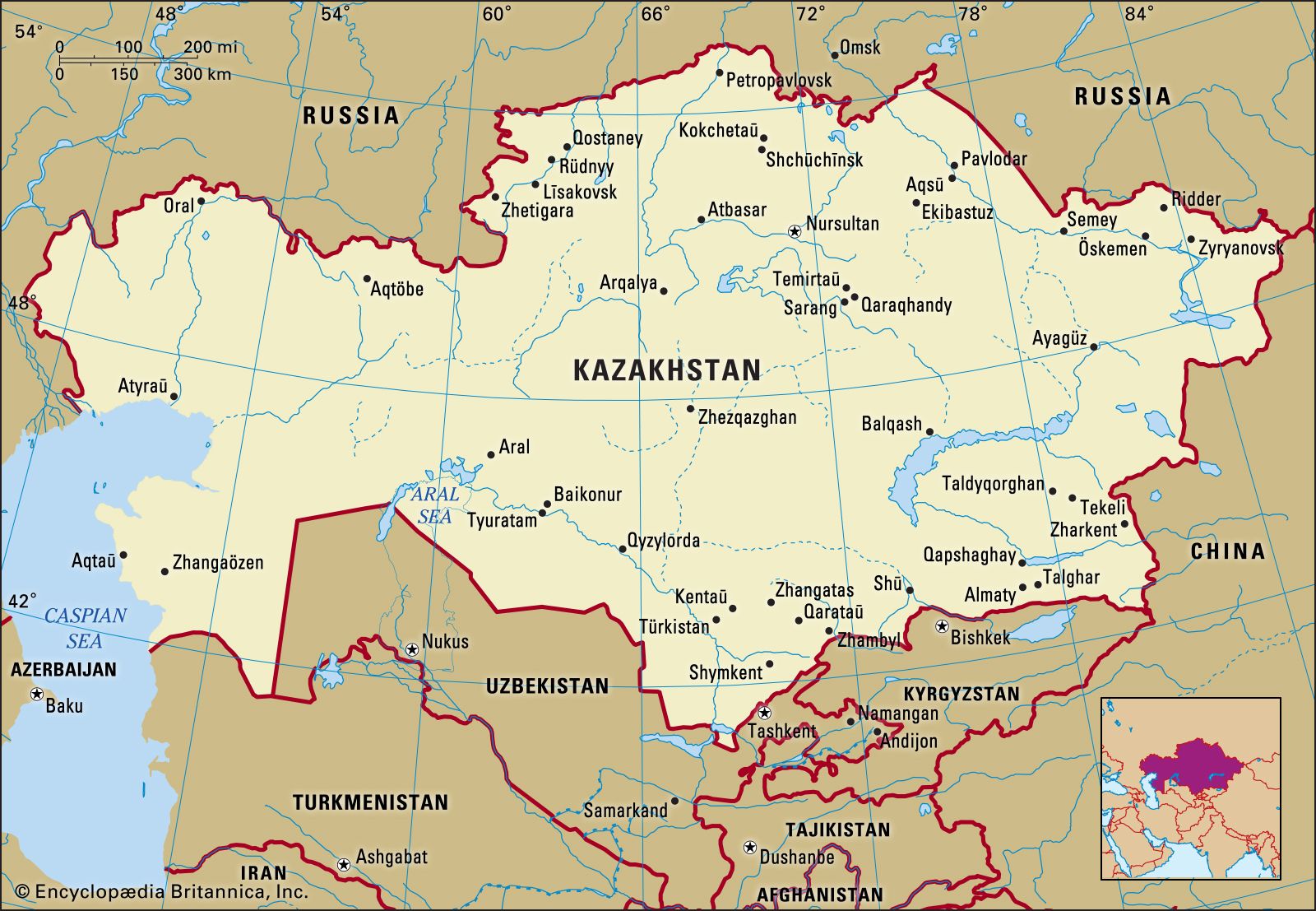
The decision, announced on Thursday, is primarily symbolic since Kazakhstan has maintained diplomatic ties with Israel since 1992. Unlike other signatories of the Abraham Accords—such as Bahrain, Morocco, Sudan, and the United Arab Emirates—Kazakhstan is geographically distant from Israel. However, the move underscores the growing international recognition of Israel’s role in fostering peace and cooperation.
This step was initially confirmed by three U.S. officials who spoke to The Associated Press, although they requested anonymity as the details were not yet public. Shortly after, Trump shared his excitement on social media, stating that he had a “great call” with Israeli Prime Minister Benjamin Netanyahu and Kazakh President Kassym-Jomart Tokayev. He emphasized that Kazakhstan would be the “first Country of my Second Term to join the Abraham Accords,” signaling a potential wave of new members.
Trump described Kazakhstan’s participation as a “major step forward in building bridges across the World” and highlighted the broader goal of uniting nations through peace and prosperity. He expressed confidence that more countries would follow suit, stating, “more Nations are lining up to embrace Peace and Prosperity through my Abraham Accords.”
A signing ceremony is expected to formalize the agreement soon. Trump also mentioned that many countries are “trying to join this club of STRENGTH,” reinforcing his vision of global unity and stability. His message concluded with a powerful statement: “BLESSED ARE THE PEACEMAKERS!”
Strategic Implications and Regional Significance
Despite its long-standing relationship with Israel, Kazakhstan’s involvement in the Abraham Accords carries strategic importance. It is seen as a way to enhance bilateral trade and cooperation, while also signaling that Israel is becoming less isolated on the international stage. This is particularly relevant given the recent criticism and protests over Israel’s actions during the war against Hamas in Gaza.
One U.S. official noted that Trump’s proposed peace plan for Gaza had “completely changed the paradigm,” encouraging many countries to “move toward the circle of peace” it created. Although specific areas of cooperation have been discussed, including defense, cybersecurity, energy, and food technology, these topics have already been part of previous bilateral agreements dating back to the mid-1990s.
Economic and Technological Collaboration
Ahead of the summit hosted by Trump on Thursday evening, Secretary of State Marco Rubio met with Kazakh President Kassym-Jomart Tokayev during a working breakfast. While the meeting focused on expanding commercial trade and investment opportunities, it also touched upon increased cooperation in energy, technology, and infrastructure.
The State Department released a statement highlighting these discussions, emphasizing the potential for growth in various sectors. Although no direct mention of Israel was made, the underlying theme of strengthening international partnerships was evident.
Conclusion
Kazakhstan’s symbolic participation in the Abraham Accords reflects a broader shift in international diplomacy. It highlights the evolving dynamics of global relations and the increasing emphasis on peace, stability, and economic collaboration. As more nations consider joining this initiative, the impact of the Abraham Accords continues to expand, shaping the future of international cooperation.