
Labour’s Vision for AI-Powered Towns and Housing Revolution
The UK government, under the leadership of the Labour Party, has unveiled an ambitious plan to build Britain’s first AI-powered towns. This initiative is part of a broader strategy aimed at addressing the country’s housing crisis while integrating advanced technology into urban planning. Steve Reed, the Housing Secretary, has outlined how automated infrastructure could be incorporated into new modern garden cities, which are part of the Government’s proposal.
Reed emphasized that these new communities would feature roads, shops, and care homes operated by automation and robotics. The goal is to create sustainable, efficient living environments that cater to the needs of a growing and aging population. Labour has pledged to start construction on three new towns before the next general election, following recommendations from an independent report that suggested 12 potential locations for such developments.
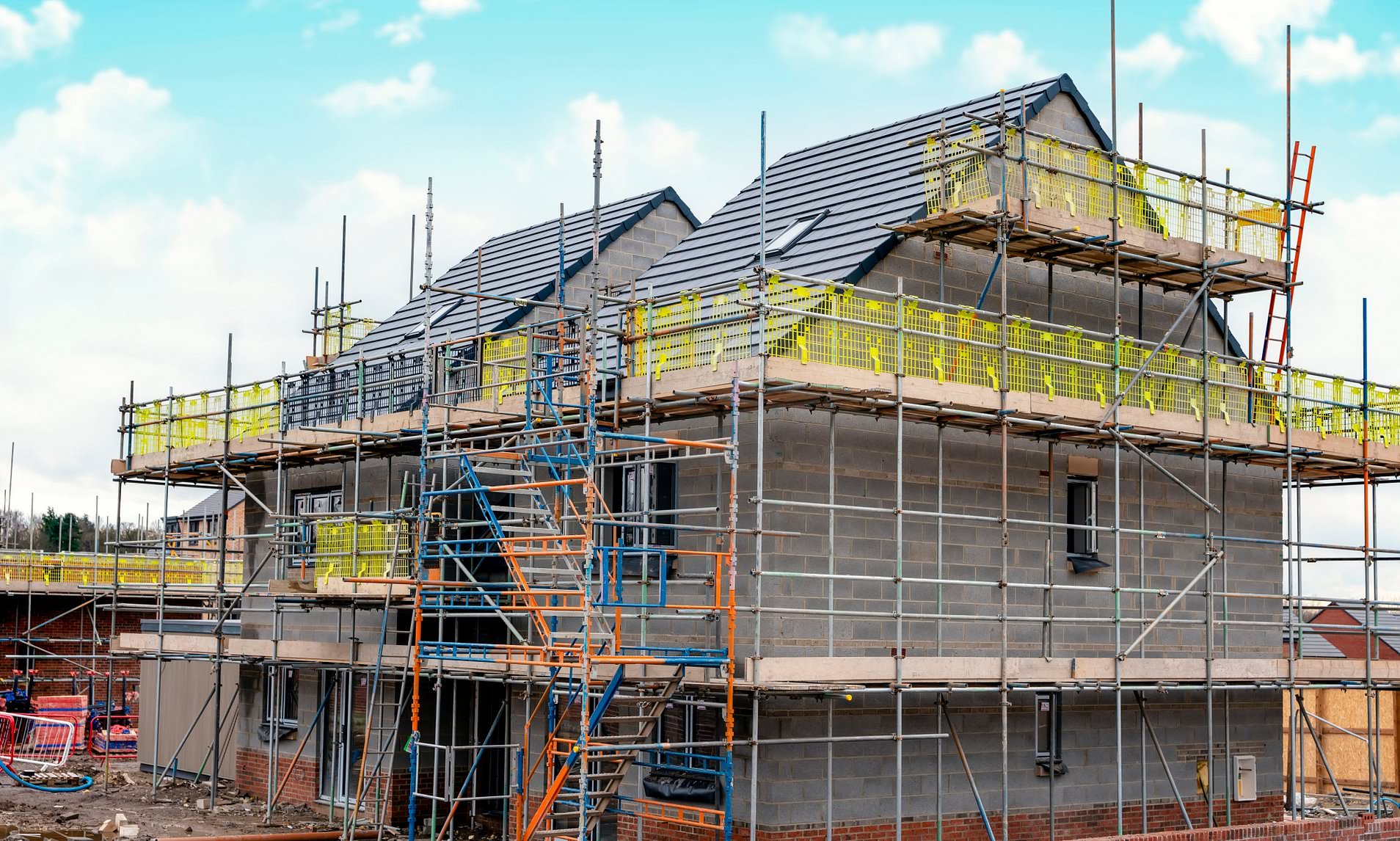
The ‘towns for the future’ are a key component of the Government’s plan to construct 1.5 million new homes in England over five years. These developments aim to emulate the garden cities built in Britain during the early 20th century, which were designed to offer a balance between urban and rural living.

Reed acknowledged that achieving the target of 1.5 million new homes would be a significant challenge, but he remains confident in the Government’s ability to meet this goal. He posed several questions about the future of these towns, such as what they would look like for an aging population and how automated infrastructure could enhance daily life. Reed also highlighted the potential for personalized devices that provide real-time information about the town, emphasizing that the only limitations would be the creativity of the residents.
In addition to the new towns, mayors outside of London are being encouraged to develop ambitious social housing plans, supported by £7 billion in funding. Local leaders will have the flexibility to determine the types of homes needed in their areas and prioritize specific sites for construction as part of their funding bids.
Reed urged councils to “go big, go bold and go build,” reinforcing the importance of rapid action in addressing the housing shortage. This investment is part of the Government’s 10-year affordable housing program, which totals £39 billion. Specific regions, including Greater Manchester, the West Midlands, the North East, and West Yorkshire, are expected to receive substantial funding to support local housing initiatives.
Reed also addressed the long waiting lists for council homes, noting that many individuals remain on the list for 10 or 20 years. He stressed the need to reduce these wait times and provide secure, affordable housing for those in need.
When asked about the feasibility of building 1.5 million homes by 2029, Reed remained optimistic, stating that it would be a challenging task but one that the Government is committed to achieving. He emphasized the urgent need for housing across the country, highlighting the importance of meeting this target to improve the quality of life for millions of people.
As the debate around Labour’s housing plans continues, the focus remains on whether these ambitious goals can be realized. With the integration of AI and automation into urban planning, the future of British towns may look very different from what we know today. Whether this vision becomes a reality will depend on the effectiveness of the policies, the availability of resources, and the collaboration between government and local authorities.