
Global Move to Phase Out Mercury in Dentistry
In a significant development, countries gathered at the Minamata Convention on Mercury meeting in Geneva have agreed to ban the use, import, and export of mercury-containing dental amalgams worldwide by 2034. This decision marks a pivotal step in the global effort to reduce mercury pollution and protect public health.
The Minamata Convention, named after the Japanese city where a severe mercury poisoning incident occurred in the 1950s, has been instrumental in addressing the dangers associated with mercury emissions. The incident in Minamata led to widespread health issues among residents who consumed fish contaminated by industrial waste from a local chemical plant.
Japan, which endured significant human suffering due to what is now known as Minamata disease, has already been gradually reducing the use of mercury amalgams over the past decade. This reduction is largely driven by growing public health concerns and a shift towards safer alternatives.
Conference President Osvaldo Alvarez of Chile emphasized the importance of this agreement, stating that it represents a major advancement for the convention. However, the path to this decision was not without challenges.
While some nations, including the United States and many African states, advocated for an earlier phaseout date of 2030, others such as Britain, India, and Iran resisted, leading to the final decision of 2034. Supporters of the extended timeline highlighted the need to consider the economic and technical feasibility of mercury-free alternatives.
The European Union has already prohibited mercury fillings since January, while Japan offers health insurance coverage for mercury-free alternatives like gallium alloy for dental restoration. Despite these advancements, delegates at the latest meeting could not reach a consensus on whether mercury-free alternatives are both economically and technically viable. These discussions are expected to continue in the coming months.
The Broader Impact of the Minamata Convention
The Minamata Convention, adopted in 2013 in Kumamoto, aims to safeguard human health and the environment from the harmful effects of mercury. Parties to the convention meet every two years to review progress and address new challenges related to mercury use and emissions.
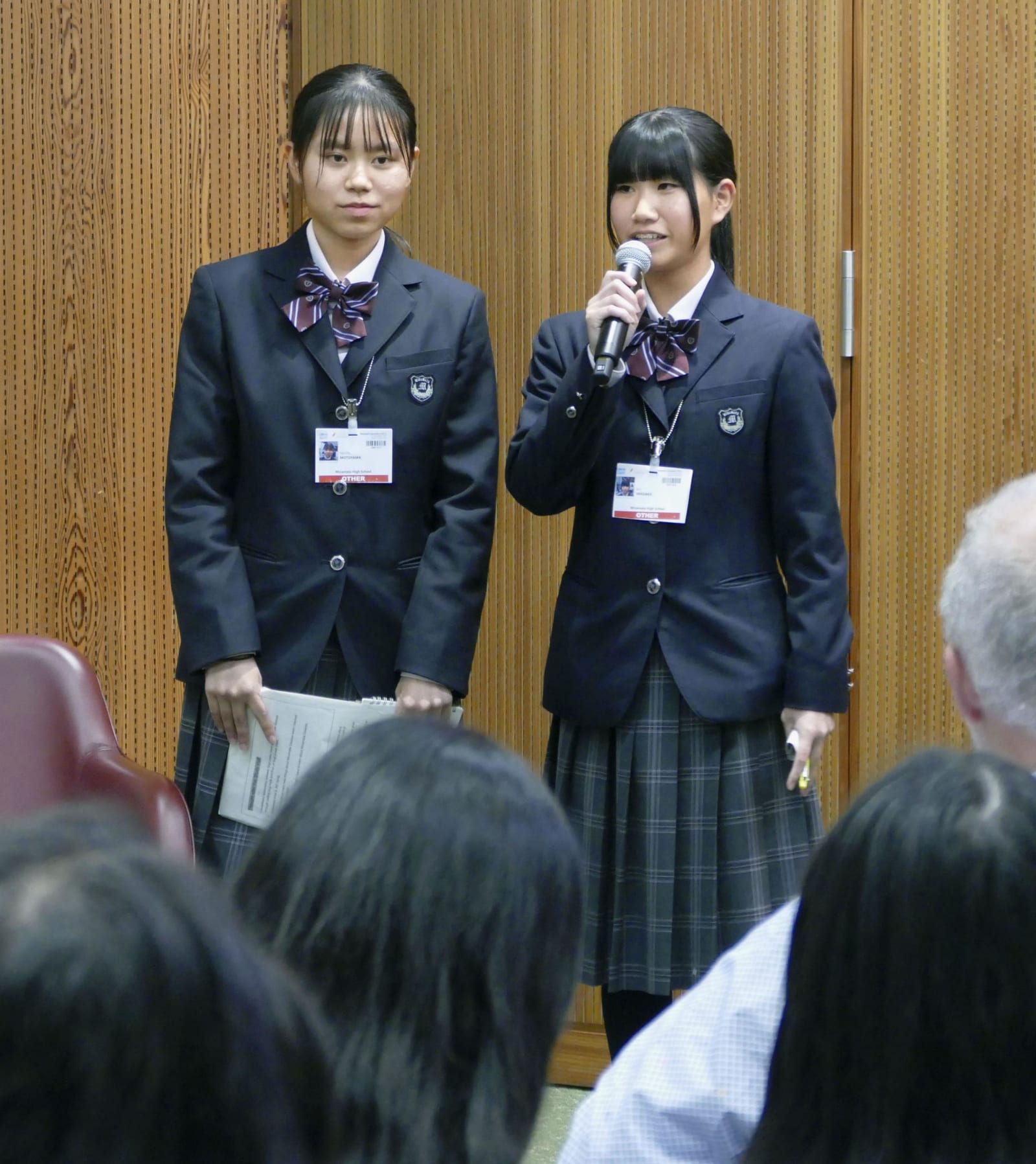
The recent meeting in Geneva also saw participation from students from Minamata High School, who attended a related event to voice their concerns about the global use of mercury. One of the students, 16-year-old Mio Iwasaka, expressed hope that future environmental awareness will lead to similar meetings being held in Minamata itself.
Ongoing Challenges and Future Steps
Despite the agreement on the 2034 deadline, several challenges remain. The transition to mercury-free dental materials requires careful consideration of cost, availability, and long-term effectiveness. Countries with limited resources may face particular difficulties in implementing the new regulations.
Moreover, the ongoing discussions about the viability of alternatives underscore the complexity of the issue. While some nations have already taken steps to eliminate mercury in dentistry, others may require additional support and time to adapt.
As the world moves closer to a mercury-free future, continued collaboration and innovation will be essential. The Minamata Convention serves as a vital platform for sharing knowledge, resources, and best practices among member states.
In conclusion, the decision to phase out mercury-containing dental amalgams by 2034 represents a significant milestone in the global fight against mercury pollution. It reflects the commitment of the international community to protect both human health and the environment. As the next meeting approaches, the focus will remain on ensuring a smooth and equitable transition to safer alternatives.