
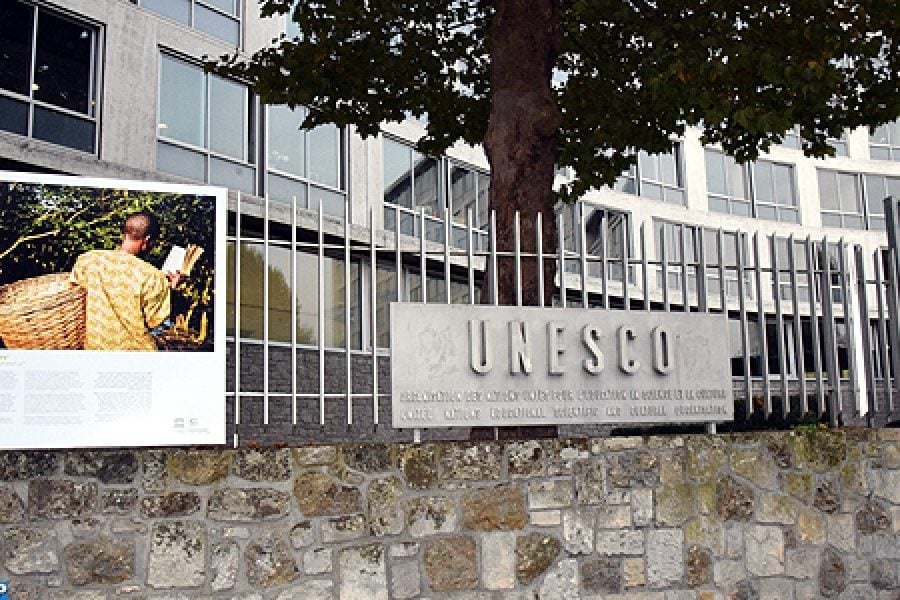
Morocco’s Election to UNESCO Executive Board
Morocco has been elected as a member of the Executive Board of the United Nations Educational, Scientific and Cultural Organization (UNESCO). This significant achievement took place during the 43rd session of UNESCO’s General Conference, which is currently being held in Samarkand, Uzbekistan.
The Moroccan delegation confirmed that the country received 146 votes for a four-year term on Friday. This election highlights Morocco’s growing influence and commitment to international educational, scientific, and cultural initiatives.
Role and Function of the UNESCO Executive Board
The UNESCO Executive Board is composed of 58 member states and operates under the authority of the General Conference. It plays a crucial role in reviewing the organization’s work program and the corresponding budget estimates submitted by the Director-General of the UN agency.
This board ensures that UNESCO’s activities align with its mission to promote peace and security through education, science, and culture. The members of the board are responsible for making key decisions that guide the direction and priorities of UNESCO’s global efforts.
Importance of the Election
Morocco’s election to the Executive Board is a testament to its active participation in international affairs and its dedication to fostering global cooperation. The country’s inclusion in this prestigious body allows it to contribute to shaping UNESCO’s policies and programs, particularly in areas such as education, heritage preservation, and scientific research.
By serving on the Executive Board, Morocco will have the opportunity to advocate for the interests of developing nations and promote inclusive development through cultural and educational initiatives. This position also strengthens Morocco’s diplomatic ties with other member states and enhances its reputation as a responsible and proactive player on the global stage.
Implications for Morocco
The election of Morocco to the UNESCO Executive Board is not only a milestone for the country but also a reflection of its strategic vision and long-term goals. It underscores the importance of multilateralism and the value of international collaboration in addressing global challenges.
Through its membership, Morocco can influence the global agenda on issues such as sustainable development, gender equality, and the promotion of cultural diversity. The country’s experience and expertise in these areas will be instrumental in shaping the future of UNESCO’s initiatives.
Conclusion
Morocco’s recent election to the UNESCO Executive Board marks a significant step forward in its engagement with international organizations. This achievement demonstrates the country’s commitment to promoting education, science, and culture on a global scale. As a member of the board, Morocco will play a vital role in guiding UNESCO’s work and contributing to the achievement of the United Nations’ Sustainable Development Goals.