
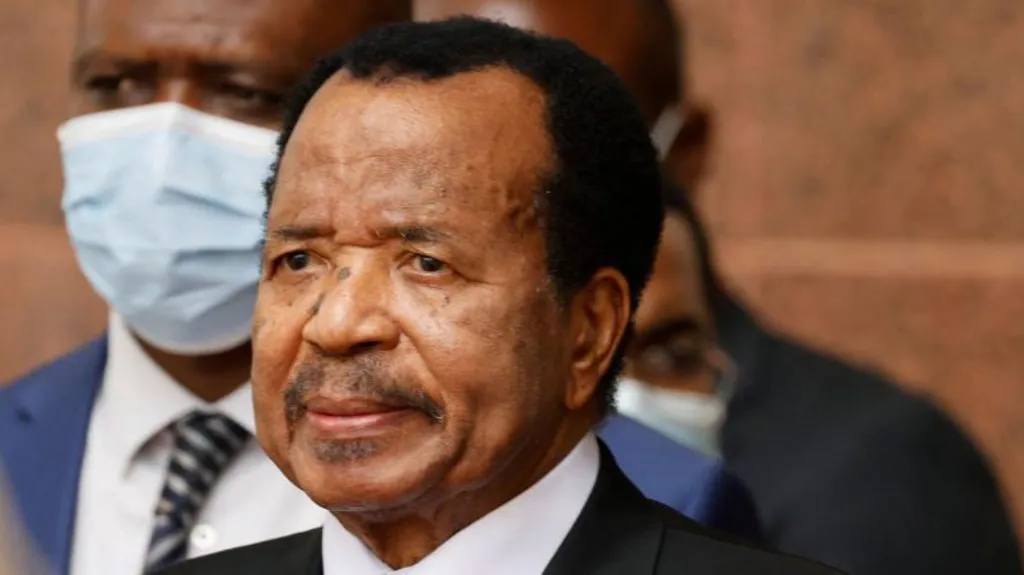
President Paul Biya Sworn In for Eighth Term Amid Post-Election Unrest
President Paul Biya, Cameroon’s longtime leader and the world’s oldest head of state, has been sworn in for an eighth consecutive term. His re-election comes amid significant political tension and widespread unrest following the recent presidential elections.
In his inaugural speech, Biya emphasized his commitment to the Cameroonian people, vowing to work toward a “united, stable, and prosperous” nation. He expressed condolences to the families of those who lost their lives during the post-election violence and criticized “irresponsible politicians” for the chaos that erupted. Biya assured citizens that “order will reign,” signaling his intention to restore stability across the country.
Despite allegations of electoral fraud, Biya praised the electoral process and the Independent Electoral Committee (Elecam), highlighting that he secured 54% of the vote against opposition candidate Issa Tchiroma Bakary, who received 35%. The results sparked nationwide protests, leading to at least 14 deaths and over 1,200 arrests. Some reports suggest higher casualty figures, but the exact numbers remain unclear.
Biya congratulated security forces for managing the protests, though he did not directly address claims of excessive force used by authorities. His speech focused on unity and progress, urging citizens to move forward and contribute to building a stronger Cameroon.
Key Priorities for the New Administration
Biya outlined several key priorities for his new term, including:
- Youth empowerment: Focusing on education, job creation, and opportunities for young people.
- Women’s rights: Promoting gender equality and supporting initiatives that enhance women’s roles in society.
- Anti-corruption efforts: Strengthening institutions to combat corruption and ensure transparency.
- Security reforms: Enhancing the effectiveness of law enforcement and improving public safety.
These goals reflect a broader vision for national development, although many citizens remain skeptical about the government’s ability to deliver on these promises.
Opposition Response and International Concerns
Issa Tchiroma Bakary, the main opposition candidate, led strikes in his strongholds and accused authorities of fraud. He called on foreign powers to impose sanctions on officials involved in the crackdown, even as the Constitutional Council dismissed all election-related complaints. This move has raised concerns among human rights organizations and international observers.
The disputed results have fueled ongoing tensions between the government and opposition groups, with many questioning the legitimacy of the electoral process. Despite this, Biya remains confident in the outcome and continues to emphasize the need for national unity.
Ongoing Challenges
Cameroon faces numerous challenges as it moves forward under Biya’s leadership. The recent violence has highlighted deep-seated divisions within the country, and restoring trust in the political system will be a major task. Additionally, addressing economic inequalities and improving infrastructure remain critical issues for the government.
The international community is closely watching how the situation unfolds, with many calling for greater transparency and accountability in the political process. As Cameroon enters this new phase of governance, the path ahead will require careful navigation and a commitment to inclusive development.