
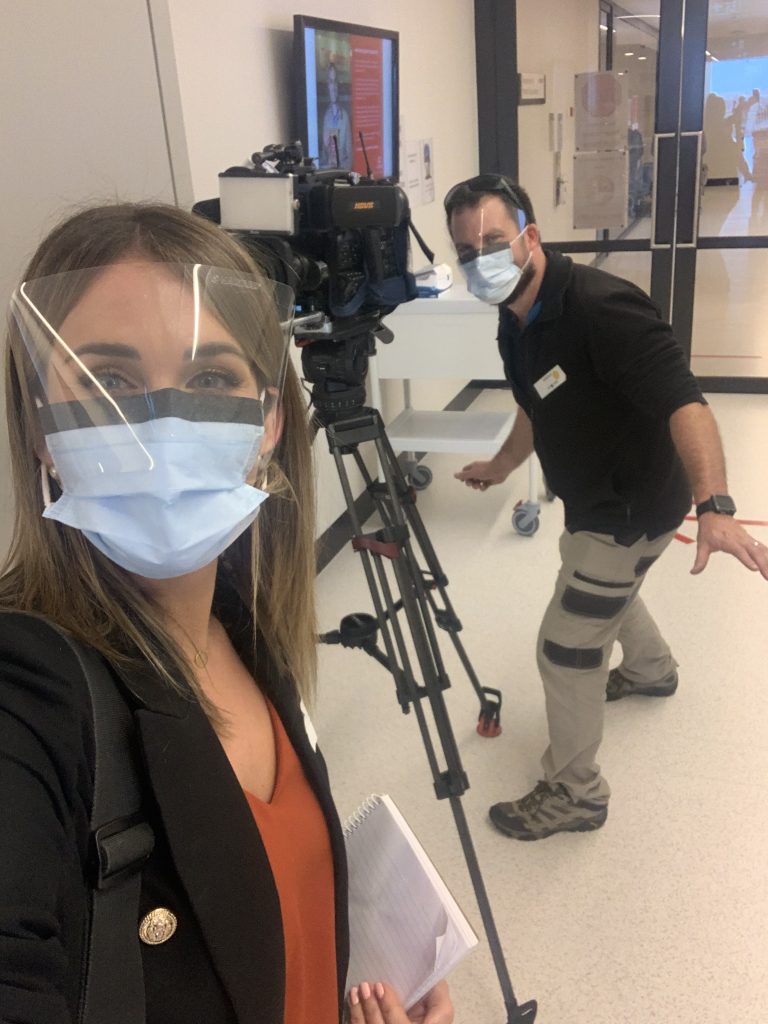
Prioritizing Safety in Ethical Journalism
By Kingsley Mamore
Tamale (N/R) Nov. 7
Mr. George Sarpong, former Executive Secretary of the National Media Commission (NMC), has called on media professionals and journalists to place personal safety at the forefront of their work while striving to report the truth. His message was delivered during a training workshop organized by the Deutsche Gesellschaft für Internationale Zusammenarbeit (GIZ) and the ECOWAS Peace and Security Project (EPSG), held in Tamale.
Sarpong stressed that ethical journalism requires a balance between risk awareness and caution, rather than reckless behavior. He argued that finding alternative methods to report news is not only a practical approach but also a strategic move that ensures sustained public service. This perspective highlights the importance of adaptability in a rapidly changing media landscape where traditional reporting methods may no longer be safe or effective.
The Dangers of Hate Speech and Misinformation
During the event, Mr. Sarpong raised concerns about the increasing prevalence of hate speech and misinformation. He pointed out that these harmful elements pose a serious threat to democratic discourse and national unity. According to him, unchecked false narratives and divisive rhetoric are gradually eroding public trust and undermining the very foundations of democracy.
He emphasized that in an era where information spreads rapidly through digital platforms, the responsibility of journalists to verify facts and present accurate reports has never been more critical. By doing so, they can help maintain the integrity of public discourse and prevent the spread of harmful content that could lead to social unrest.
Upholding Accuracy and Ethical Reporting
Sarpong encouraged journalists to uphold the principles of accuracy and ethical reporting. He highlighted the vital role that the media plays in protecting democratic values and promoting peaceful coexistence within communities. In his view, responsible journalism is not just about delivering news; it is about fostering understanding, respect, and dialogue among different groups.
The training workshop provided a platform for media practitioners to engage in discussions on best practices, challenges, and opportunities in modern journalism. Participants had the chance to learn from experienced professionals like Sarpong, who shared insights based on years of experience in the field.
The Role of Media in Democracy
As societies become more interconnected, the media’s influence on public opinion and policy decisions continues to grow. Sarpong’s remarks underscored the need for journalists to remain vigilant and committed to their professional ethics. This includes being aware of the potential consequences of their reporting and taking steps to minimize harm.
In addition to addressing the immediate risks faced by journalists, the workshop also focused on long-term strategies for building resilient media ecosystems. These strategies include investing in training programs, promoting collaboration among media outlets, and advocating for policies that protect press freedom and journalistic independence.
Conclusion
Mr. George Sarpong’s address served as a timely reminder of the responsibilities that come with the profession of journalism. As the media landscape evolves, it is essential for journalists to adapt while maintaining their commitment to truth, accuracy, and ethical standards. By doing so, they can continue to play a crucial role in shaping informed public opinion and supporting the democratic process.