
The Competitive Edge of Singapore Universities
Singapore’s universities have managed to secure government budgets in the trillion-unit range, which has enabled them to achieve remarkable results. For instance, certain institutions generate over 60 billion Korean won annually through patents. This stands in stark contrast to the situation in Korean universities, which rely heavily on government funding and tend to follow traditional academic fields, similar to Japan.
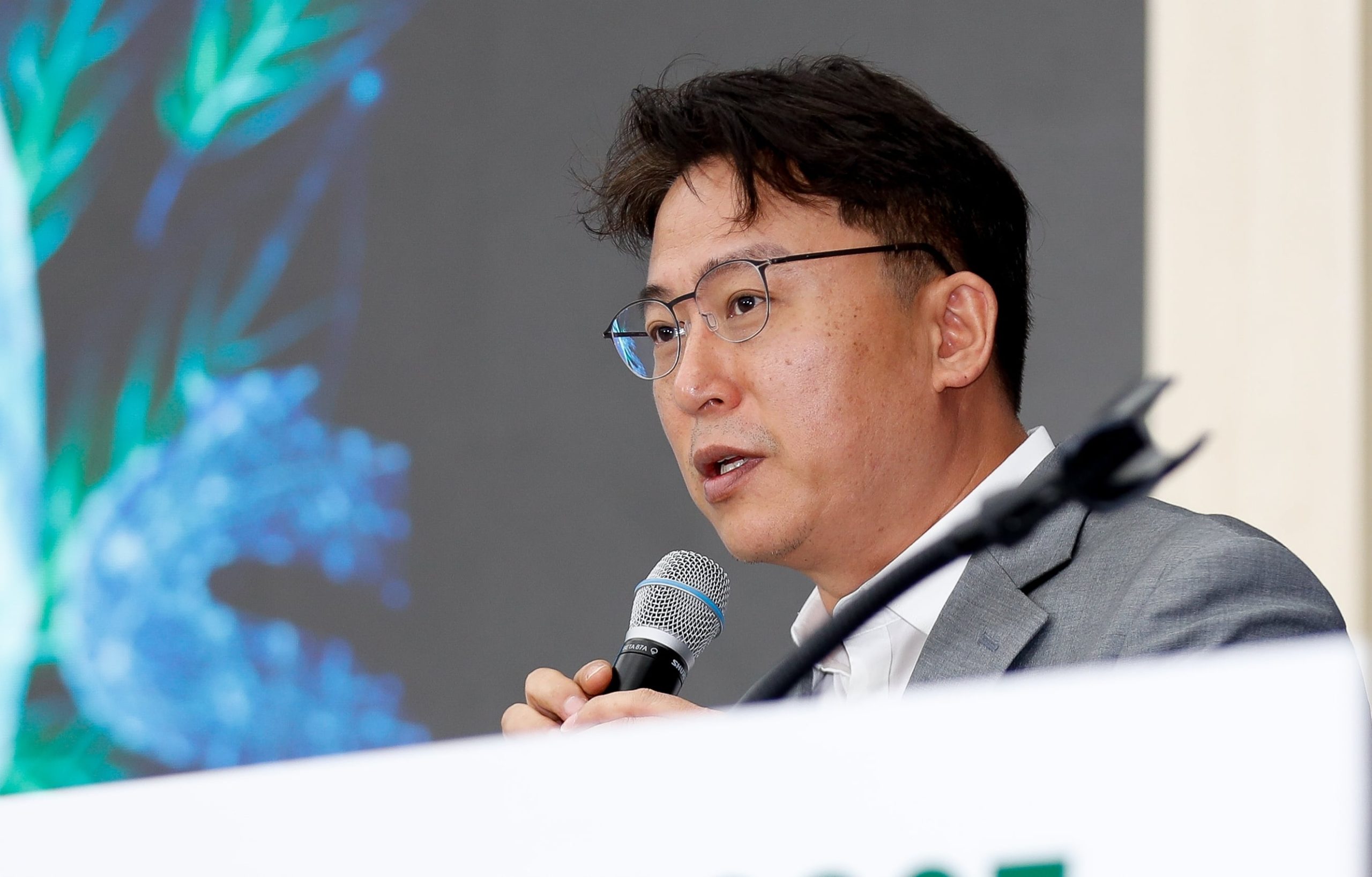
Cho Nam-jun, a distinguished professor of materials engineering at Nanyang Technological University in Singapore, recently warned that if current trends continue, Korean universities may face a similar fate as the Titanic. Cho, who earned his Ph.D. from Stanford University in the U.S. and completed a postdoctoral fellowship there, joined Nanyang Technological University as a professor in 2011. He currently holds dual roles as the head of the Industry Office and director of the Transformative Economy Center at the university. Below is an excerpt from his interview:
What Makes Singapore Universities So Competitive?
“The key lies in diversity. Since Singapore has limited homegrown talent, it actively recruits top professors from around the world. The country offers Nobel laureates and other high-profile academics starting salaries of 1 billion Korean won, comparable to what major tech companies in the U.S. offer. If needed, additional research funds are also provided by the government. Although these professors are hired at considerable cost, they are let go without hesitation if they fail to deliver results. This fierce competition ensures high-quality research output, something that is difficult to achieve within Korea’s current university structure.”
Why Is This Not Possible in Korea?
“Korean university professors receive nearly identical salaries, which is a result of a closed culture that resists paying others more. Shortly after joining Nanyang Technological University, I was selected as a government-supported scientist and received over 5 billion Korean won in research funding over five years. However, only Korean professors raised concerns about my salary. Professors from other countries see receiving higher pay based on performance as a natural occurrence.”
The Decline in Korean University Rankings
“China has invested 5 trillion in 12 universities, including Tsinghua and Peking, surpassing Seoul National University. Now, it is investing the same amount in 38 universities. In 10 years, when these institutions grow, Korean universities may struggle to even enter the top 50 in Asia.”
What Should Korean Universities Do?
“Less than 50% of professors at Nanyang Technological University can receive tenure. In contrast, Korean universities make it relatively easy to obtain tenure, with dismissals being rare. A junior professor who returned to Korea after working in Singapore remarked, ‘Korean universities are like heaven for professors, but they lack competitiveness on the global stage.’ This mindset must change.”
Key Takeaways
- Singapore’s approach to university management emphasizes diversity and performance-based compensation.
- High salaries and substantial research funding are offered to attract top-tier faculty.
- The competitive environment in Singapore universities leads to high-quality research outputs.
- Korean universities face challenges due to a closed culture and lack of performance-based incentives.
- China’s investment in its higher education system is putting pressure on Korean universities to improve.
- Tenure policies in Korea need reform to encourage a more competitive academic environment.