The Power of Courage in the Fight for Women’s Rights
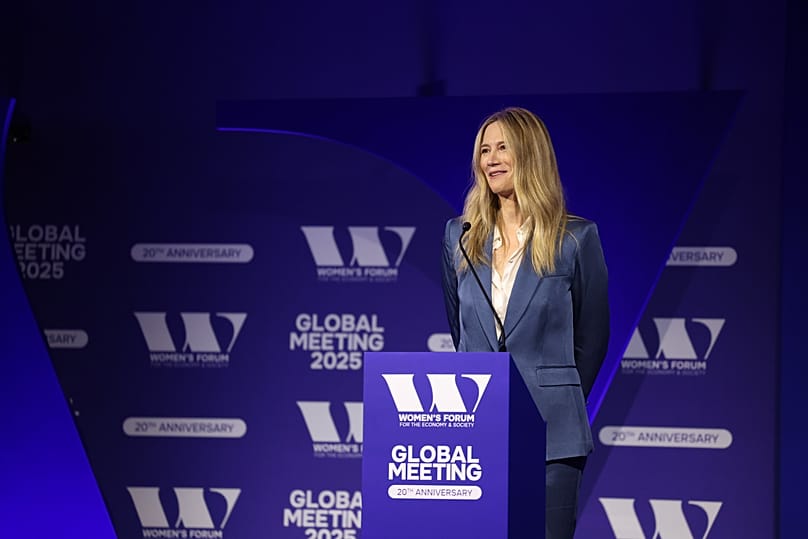
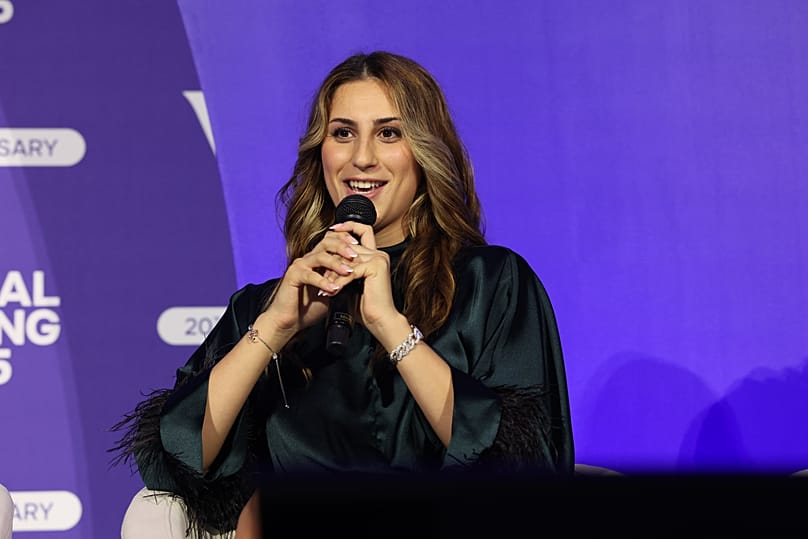
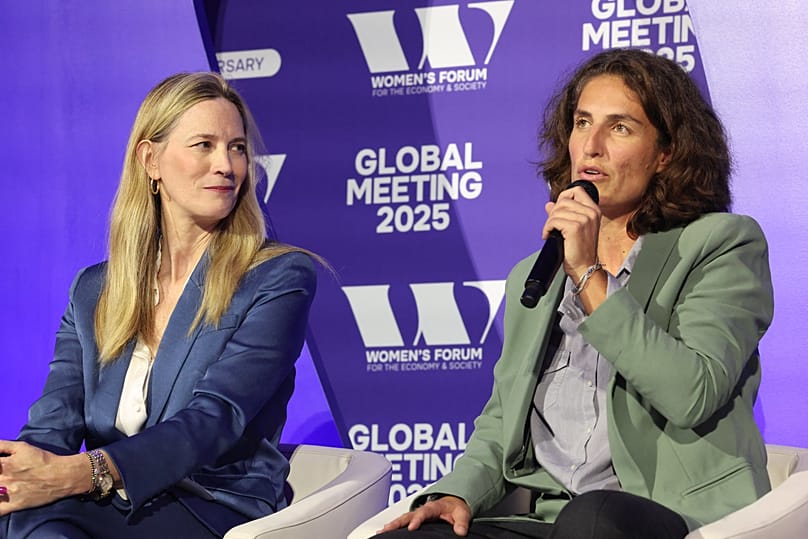
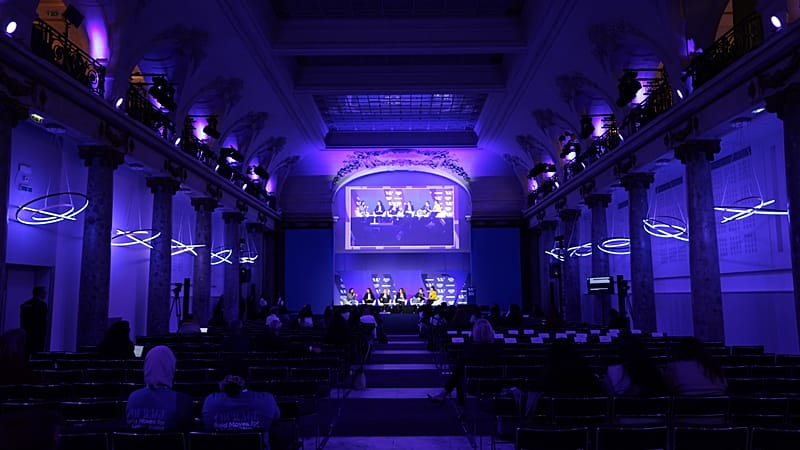
The 20th edition of the Women’s Forum for the Economy and Society, held this week in Paris, centered on the theme of courage. Over two days, business leaders, athletes, activists, and policymakers came together to address pressing issues such as equality, empowerment, and the ongoing challenges of violence and discrimination that women face across all sectors of society.
Since its inception in 2005, the forum has provided a unique platform for women to exchange ideas and collaborate on economic and social issues. This year’s event highlighted both the progress made and the work still needed to achieve true gender equality. Persistent pay gaps, the reluctance of sexual violence survivors to come forward, and the prevalence of harassment and sexism in sports were among the key topics discussed.
Sport: A Double-Edged Sword
One of the most significant discussions at the forum revolved around sport, which is often seen as a powerful tool for empowerment but also as a space where visibility, sexism, and violence continue to be major concerns.
Nanette Lafond Dufour, President of the Women’s Forum, emphasized the lack of attention given to women’s sports. “When you look at women’s sports, it doesn’t get the attention that men’s sport does. And there is no reason that that should be the case. The work that women do to be at the highest level of sport is equal to what men are doing,” she said.
She also pointed out the widespread issue of harassment in sport. “One in three young women face sexist or sexual harassment in sport,” she told Euronews.
Voices from the Frontline
Afghan taekwondo champion and refugee Marzieh Hamidi, who fled the Taliban and now lives in France under police protection after receiving death and rape threats, used her platform at the forum to draw international attention to the plight of female athletes in repressive regimes.
“It’s really important to use my platform to talk about the situation in Afghanistan and to be the voice for those who are voiceless, like the young girls in Afghanistan who have no freedom,” Hamidi said.
Her words reflected the deep personal cost of fighting for change. “I’m continuing this fight. It’s not easy. I’m paying with my mental health. I’m lost in life. I don’t feel good. I’m depressed. But I want to fight because it’s my duty as a human being,” she added.
Addressing Abuse in Sports
Angélique Cauchy, a former French tennis star who was raped by her coach between the ages of 12 and 14, now leads the NGO Rebond, which works to prevent abuse in sport in partnership with the energy company Engie.
“At every tournament we partner with, we run awareness actions aimed at a targeted audience such as coaches, leaders, volunteers, young people or parents. The goal is for everyone to learn to recognise, report, and prevent violence against minors in sport,” Cauchy explained.
She stressed that awareness is only the first step. “I would like to see what has been done in companies that lead to draft laws, so these ideas are taken to parliament. When you legislate, these initiatives become the norm, and that is how we will change society,” she said.
Moving Forward
For many participants, the next steps are not about new ideas but about enforcement and scale. They emphasized the need to turn pilot programs into policy, promises into funding, and awareness into mandatory protections.
The Women’s Forum continues to serve as a vital space for dialogue and action, reminding us that while progress has been made, the fight for gender equality is far from over. The courage shown by individuals like Hamidi and Cauchy underscores the importance of perseverance, advocacy, and systemic change in creating a more just and equitable world for all women.