
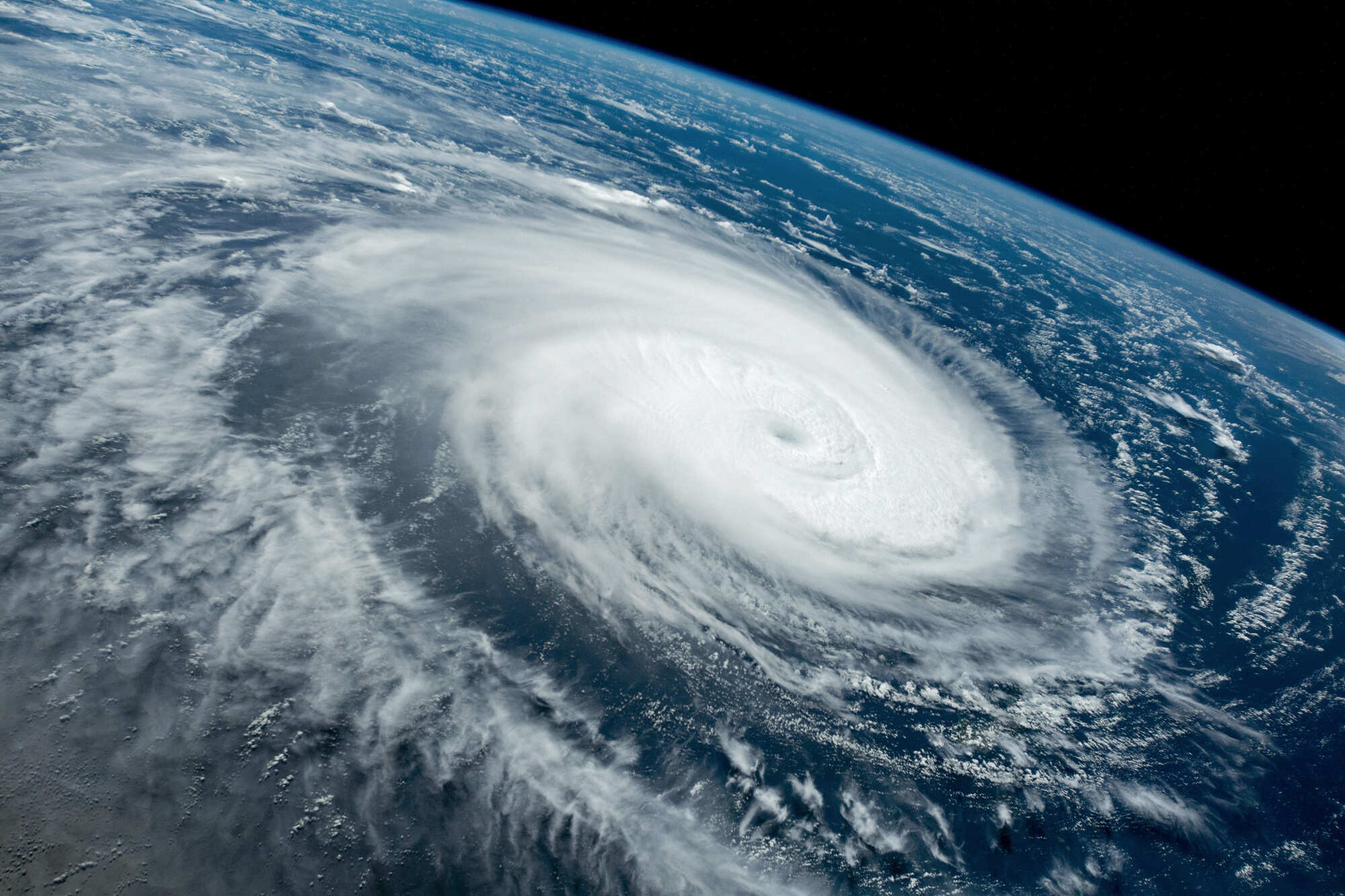
Typhoon Kalmaegi Leaves a Trail of Destruction in Vietnam and the Philippines
At least five people have died in Vietnam after Typhoon Kalmaegi battered coastal areas with strong winds and heavy rain, according to officials. The storm had previously swept through the Philippines, where it claimed at least 188 lives.
According to reports, Kalmaegi made landfall in central Vietnam late Thursday, toppling trees, damaging houses, and cutting power before weakening inland. Authorities warned that some central provinces from Thanh Hoa to Quang Tri could see up to 200 millimeters (8 inches) of rain, while rising river levels from Hue to Dak Lak may cause flooding and landslides.
In Gia Lai province, shrimp farmer Nguyen Dinh Sa faced severe losses. “I went to check them every hour yesterday until evening. I had done everything but could not save them,” Sa, 26, said. “All my investments are gone. I am so desperate at the moment,” he added.
His two-story warehouse, used to store shrimp feed, was briefly submerged as seven-meter waves and strong winds hit the area, causing an estimated loss of about 1 billion dong ($37,959). Across coastal towns, the typhoon left a trail of wreckage: fallen trees, shattered windows, and damaged roofs. Residents gathered around generators to charge their phones and share updates.
Vietnam’s disaster management agency reported that seven people were injured and around 2,800 homes were damaged. About 1.3 million people experienced power cuts, and parts of Quang Ngai province saw damage to railway infrastructure. The government deployed more than 268,000 soldiers for rescue operations and issued warnings about potential flooding that could harm crops in the Central Highlands, Vietnam’s main coffee-growing region. Traders said rainfall had eased and coffee trees were not affected.
In the Philippines, President Ferdinand Marcos Jr. visited evacuation centers on Friday, distributing relief materials and promising continued government aid after Kalmaegi left 135 people missing and injured 96 others. “We are very, very sorry,” he told provincial officials. “Most of the victims were carried away by the rushing waters, the sheer volume and speed of the flash floods.”
Kalmaegi is the 13th typhoon to form in the South China Sea this year. Both Vietnam and the Philippines are frequently hit by tropical storms due to their position along the Pacific typhoon belt, according to reports.
Scientists warn that storms like Kalmaegi are growing stronger as global temperatures rise. The Philippines’ civil aviation regulator has placed airports on alert as another storm, Fung-wong, is expected to intensify into a super typhoon before hitting the country’s north late Sunday or early Monday.
Impact on Local Communities
The destruction caused by Typhoon Kalmaegi has had a profound impact on local communities, particularly in rural areas where agriculture and small-scale businesses are the primary sources of income. Farmers like Nguyen Dinh Sa have lost not only their livelihoods but also their sense of security. The emotional toll of such losses is immense, with many residents expressing feelings of despair and helplessness.
In addition to the human cost, the economic impact is significant. The damage to infrastructure, including power lines and railway systems, disrupts daily life and hinders recovery efforts. Local authorities are working tirelessly to provide assistance, but the scale of the damage presents a major challenge.
Ongoing Challenges and Future Concerns
As the region continues to recover from the devastation caused by Kalmaegi, there are growing concerns about the increasing frequency and intensity of such storms. Climate change is exacerbating these natural disasters, making it essential for governments and communities to prepare for future events.
The situation in the Philippines highlights the need for improved disaster preparedness and response strategies. With the threat of another storm, Fung-wong, looming on the horizon, the urgency to strengthen resilience becomes even more critical.
Conclusion
Typhoon Kalmaegi serves as a stark reminder of the destructive power of nature and the importance of community solidarity in times of crisis. As both Vietnam and the Philippines work to rebuild and recover, the focus must remain on long-term solutions that address the root causes of vulnerability. By investing in sustainable practices and enhancing disaster management systems, these nations can better protect their citizens from the increasing threats posed by climate change.