

The Disappearance and Release of Kenyan Activists
In early October, Kenyan activists Bob Njagi and Nicholas Oyoo disappeared in Kampala, Uganda’s capital. Their sudden absence triggered widespread concern and regional advocacy efforts from human rights defenders across East Africa. After 39 days, the two were finally handed over to Kenya’s diplomatic mission in Uganda by local authorities.
The incident sparked outrage and led to diplomatic efforts from Kenya, as well as advocacy from organizations like Vocal Africa. New details have emerged suggesting that their disappearance was orchestrated under the directive of General Muhoozi Kainerugaba, the head of the Uganda People’s Defence Force (UPDF). Muhoozi is also the eldest son of President Yoweri Museveni.
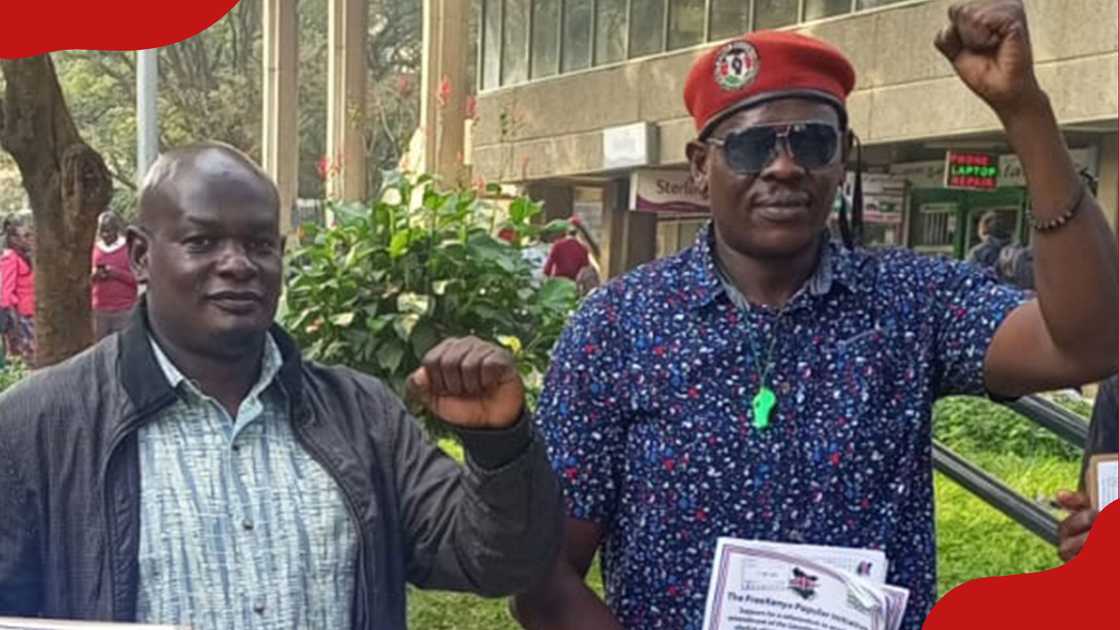
Bobi Wine, an Ugandan opposition leader, alleged that the activists had been detained in a military facility on Muhoozi’s orders. He claimed that Njagi and Oyoo confided in him that their detention was sanctioned by Muhoozi, whose men interrogated them for days over their mission in Uganda. According to Bobi, the activists were held at Kasenyi military barracks and questioned about why they came to Uganda and attended his manifesto launch in Jinja.
Accusations Against the Museveni Administration
Bobi Wine criticized the Museveni administration for abusing state power and targeting dissenting voices. He also accused Uganda’s judiciary of failing to act on legal petitions filed to locate the missing activists. “You can imagine after 39 days! The judiciary came out boldly and justified this criminality, instead of pushing the criminal regime to produce them,” he said.
He further claimed that Uganda is under a complete military dictatorship and warned that this regime is being transplanted in other countries of the region. “We all have a duty to free Uganda from this despot, and the rest of East Africa will be free,” he added.
Reactions from Advocacy Groups and Governments
Vocal Africa, the rights group that campaigned for the release of Njagi and Oyoo, thanked both the Kenyan and Ugandan governments for their cooperation. The organization used the occasion to call for reinforced human rights protections across East African Community nations.
Kenya’s Principal Secretary for Foreign Affairs, Korir Sing’oei, praised the Kenyan diplomatic team in Kampala for their persistence in locating the activists and promised to issue a detailed update. Foreign Affairs Cabinet Secretary Musalia Mudavadi confirmed the activists’ release and commended the Kenyan diplomats for their efforts.
Mudavadi urged Kenyans abroad to remain vigilant and maintain regular contact with embassies and consulates for timely support. He emphasized the importance of diplomatic relations and the need for continued collaboration between Kenya and its neighbors to address such incidents.
Ongoing Concerns and Calls for Accountability
Despite the release of the activists, concerns remain about the political climate in Uganda and the treatment of dissidents. Human rights advocates continue to monitor the situation closely and demand accountability from the Ugandan government. The case has highlighted the challenges faced by activists and journalists in the region, particularly when their work involves criticizing or challenging the status quo.
As the international community watches, the incident serves as a reminder of the ongoing struggles for freedom of expression and the need for robust human rights protections across East Africa. The involvement of high-ranking military officials in the detention of Kenyan citizens underscores the complex interplay between national security, political power, and individual rights in the region.
Conclusion
The disappearance and subsequent release of Bob Njagi and Nicholas Oyoo have drawn attention to the broader issues of political repression and human rights violations in Uganda. While their return to Kenya is a positive development, it raises critical questions about the role of the military and the effectiveness of judicial systems in protecting citizens. As advocacy groups and governments continue to push for transparency and accountability, the case remains a focal point for discussions on regional stability and the protection of civil liberties.