
NERC Calls for Policy Reassessment in Managing $2 Billion Rural Electrification Fund
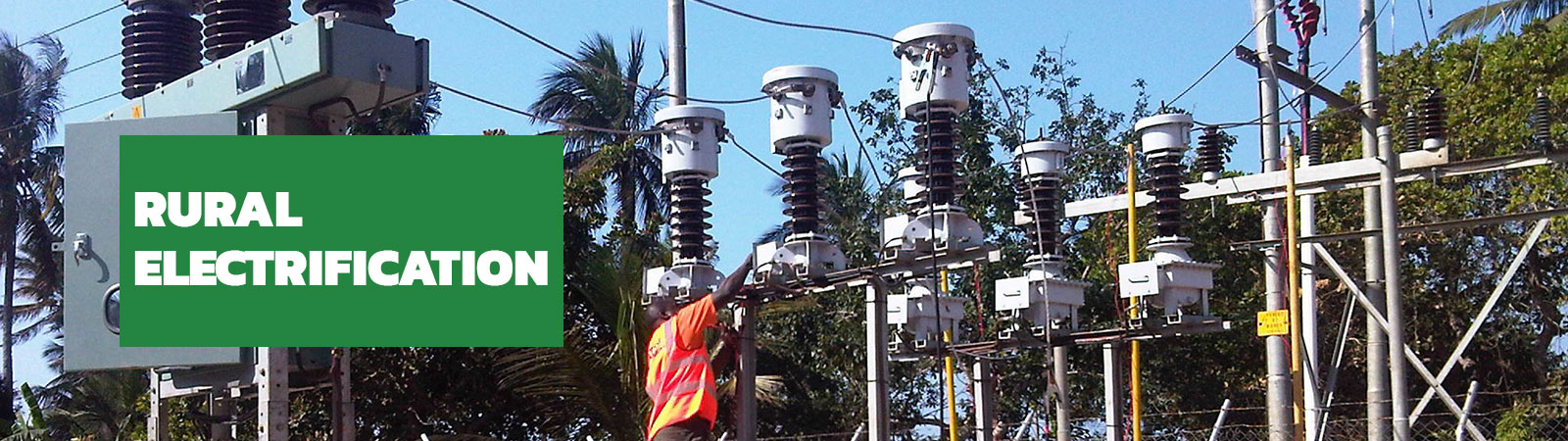
Port Harcourt — The Nigerian Electricity Regulatory Commission (NERC) has emphasized the need for a strategic reevaluation of how the $2 billion currently held by the Rural Electrification Agency (REA) is managed and utilized. According to NERC, Nigeria must shift its focus from merely powering homes to driving industrial growth and national prosperity.
Dr. Musiliu Oseni, Vice Chairman of NERC, made these remarks during the Technical Sessions commemorating NERC’s 20th Anniversary in Abuja. He highlighted that the commission’s current priorities are centered on unlocking private capital, especially within the transmission sub-sector, through the newly established Transmission Infrastructure Fund (TIF).
“Through effective regulation, we have saved the Federal Government several trillions of naira in subsidies, strengthened market reliability, and enhanced consumer protection,” Dr. Oseni stated. “But now we must move from subsidy savings to investment stimulation. That is why our attention is on transmission, the weakest link in the electricity value chain.”
The TIF, according to Dr. Oseni, will serve as a financing platform aimed at attracting both local and international investors into Nigeria’s transmission grid. This initiative is expected to enhance grid stability and capacity, which is essential for industrial growth.
Focus on Industrial Growth and Economic Development
Regarding the management of the Rural Electrification Fund, Dr. Oseni urged the Federal Government to allocate part of the $2 billion fund toward large-scale industrial and commercial power supply. He pointed out that while mini-grids can provide access to electricity, they cannot drive economic prosperity.
“You can power access through mini-grids, but you can’t power your economy to prosperity,” he said. “We must ensure that access translates to productivity, and productivity translates to jobs and growth.”
Dr. Oseni also commended the 15 states that have obtained transfer orders to establish their own electricity markets, with eight already operational. However, he cautioned that “there must first be a utility before you can be called a regulator.” He emphasized that regulation must be rooted in independence, capacity, and transparency.
“The responsibility of a regulator extends beyond policy alignment; it demands objectivity, analytical depth, and the courage to act as an unbiased umpire,” he said.
Avoiding Regulatory Capture and Ensuring Independence
He further warned state regulators against forming undue relationships with licensees, cautioning that such closeness could compromise their independence and lead to regulatory capture.
According to Dr. Oseni, the past two decades have been transformative for Nigeria’s power sector, with NERC evolving from a policy implementer to a market enabler.
“Despite the challenges, the Commission has recorded significant achievements over two decades,” Oseni noted. “We have institutionalized consumer rights, introduced cost-reflective tariffs, and promoted the gradual decentralization of the electricity market.”
Key Achievements and Future Outlook
Over the years, NERC has worked to strengthen the electricity market by ensuring that consumers are protected and that tariffs reflect the actual costs of service delivery. These efforts have contributed to a more stable and reliable power supply across the country.
Looking ahead, NERC aims to continue its role as a market enabler by fostering an environment that encourages private sector participation and investment in the energy sector. The commission remains committed to ensuring that all Nigerians have access to affordable and reliable electricity, which is essential for economic development and national progress.