
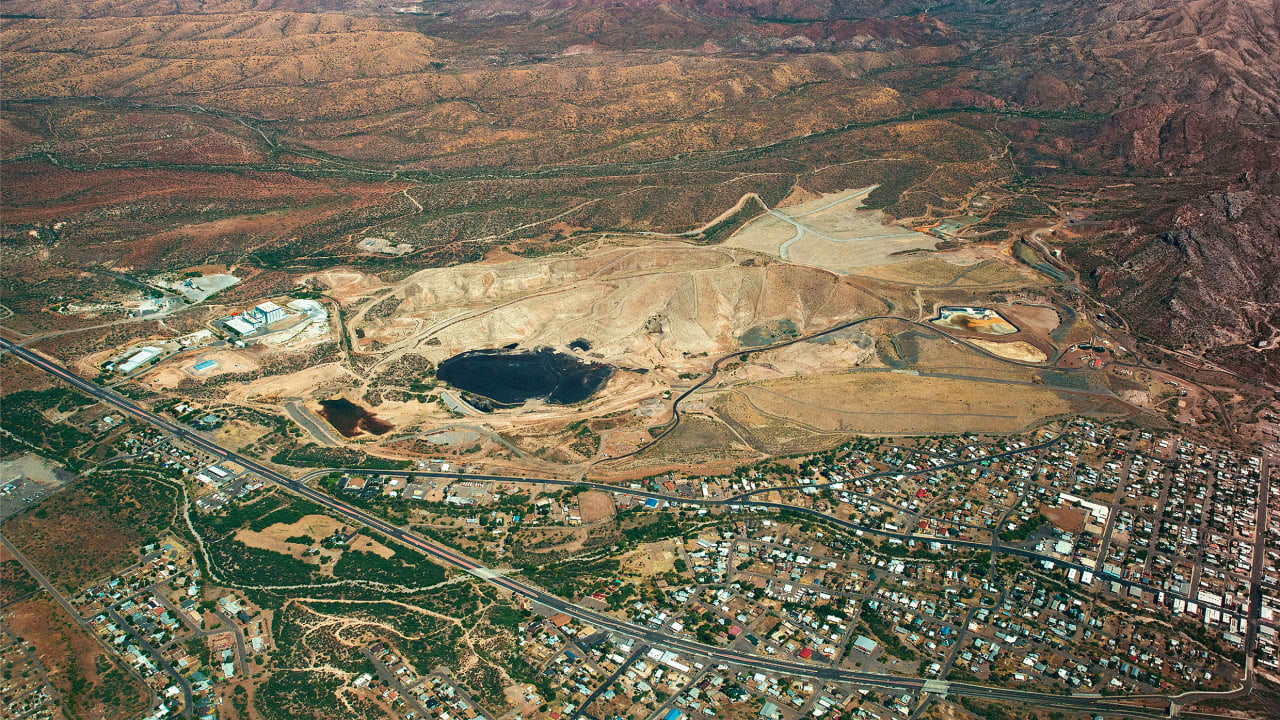
A New Era of Responsible Mining in the Southwest
Port Harcourt — The Minister of Solid Minerals Development, Dr. Dele Alake, has highlighted the Southwest region as a national model for responsible mining practices. Over the past two years, the region has signed 45 Community Development Agreements (CDAs), a number that surpasses the total recorded in the previous 15 years combined.
This significant achievement was revealed during the Southwest Leaders Conference in Akure, where Alake addressed stakeholders on the progress of ongoing mining reforms. He emphasized the importance of these agreements in ensuring that local communities benefit from the minerals found beneath their land.
“We have made it a law that companies must sign Community Development Agreements before mining begins,” Alake stated. “For too long, host communities suffered neglect. Today, we have reversed that story, every community must share in the benefits of the minerals under their soil.”
Alake commended the proactive efforts of Southwest states in promoting peace, transparency, and local participation in mining projects. He pointed to examples such as Segilola Gold in Osun and hundreds of active quarry sites as evidence of how development can coexist with integrity and community growth.
The Role of Community Development Agreements
The CDAs ensure that mining companies invest in local infrastructure, education, and healthcare. These agreements are designed to restore trust between host communities and mining operators. They serve as a social license that guarantees sustainability and long-term benefits for all stakeholders involved.
“these agreements have restored trust between host communities and operators. They are the social license that guarantees sustainability,” Alake added.
The minister reiterated the Federal Government’s commitment to ensuring inclusive growth through solid minerals. He stressed that no reform is complete if communities are not part of the progress. This approach represents a people-centred transformation that prioritizes the well-being of local populations.
Key Benefits of CDAs
- Investment in Local Infrastructure: Mining companies are required to contribute to the development of roads, water supply systems, and other essential public services.
- Education and Healthcare Improvements: Funds from CDAs are directed towards building schools, training centers, and health facilities, enhancing the quality of life for residents.
- Sustainable Development: By involving communities in the decision-making process, CDAs help ensure that mining activities do not harm the environment or local livelihoods.
Challenges and Opportunities
Despite the progress, challenges remain in ensuring that all communities benefit equally from mining activities. Some areas still face issues related to land rights, environmental degradation, and lack of access to resources. However, the implementation of CDAs has provided a framework for addressing these concerns.
The success of the Southwest region serves as a blueprint for other parts of the country. It demonstrates that responsible mining can lead to economic growth while protecting the interests of local communities.
Future Outlook
Looking ahead, the government plans to expand the use of CDAs across other regions. This will involve collaboration with state governments, mining companies, and local communities to create a more equitable and sustainable mining sector.
By fostering partnerships and ensuring transparency, the Federal Government aims to build a mining industry that is both profitable and socially responsible. This approach not only benefits the economy but also strengthens the bond between mining companies and the communities they operate in.
In conclusion, the Southwest region’s achievements in responsible mining highlight the potential for positive change when communities are given a voice and a stake in the process. With continued commitment and cooperation, the future of mining in Nigeria looks promising.