
Rising Concerns: Pickpocketing and Scams at Global Tourist Destinations
A growing number of travelers are reporting increased incidents of pickpocketing and tourist scams at popular international destinations. Recent analyses have highlighted several cities as high-risk areas, with Bangkok, Paris, and Shanghai among the most affected.
Travel Binger, a well-known travel media outlet, recently conducted an analysis of global travel reviews and public data. Their findings identified six countries—Thailand, Italy, France, Spain, the Netherlands, and China—as regions experiencing a sharp rise in pickpocketing and fraud. Among these, Bangkok, Thailand, was flagged as the most vulnerable city.
Top Cities at Risk
According to the data, Bangkok ranked first with 9.82 mentions of fraud or pickpocketing per 1,000 tourism reviews. Paris followed closely with 6.81 mentions, placing it second. Prague, Czech Republic, came in third with 6.51 mentions, while Shanghai, China, ranked fourth with 6.28. Rome, Italy, rounded out the top five with figures in the late 4-point range.
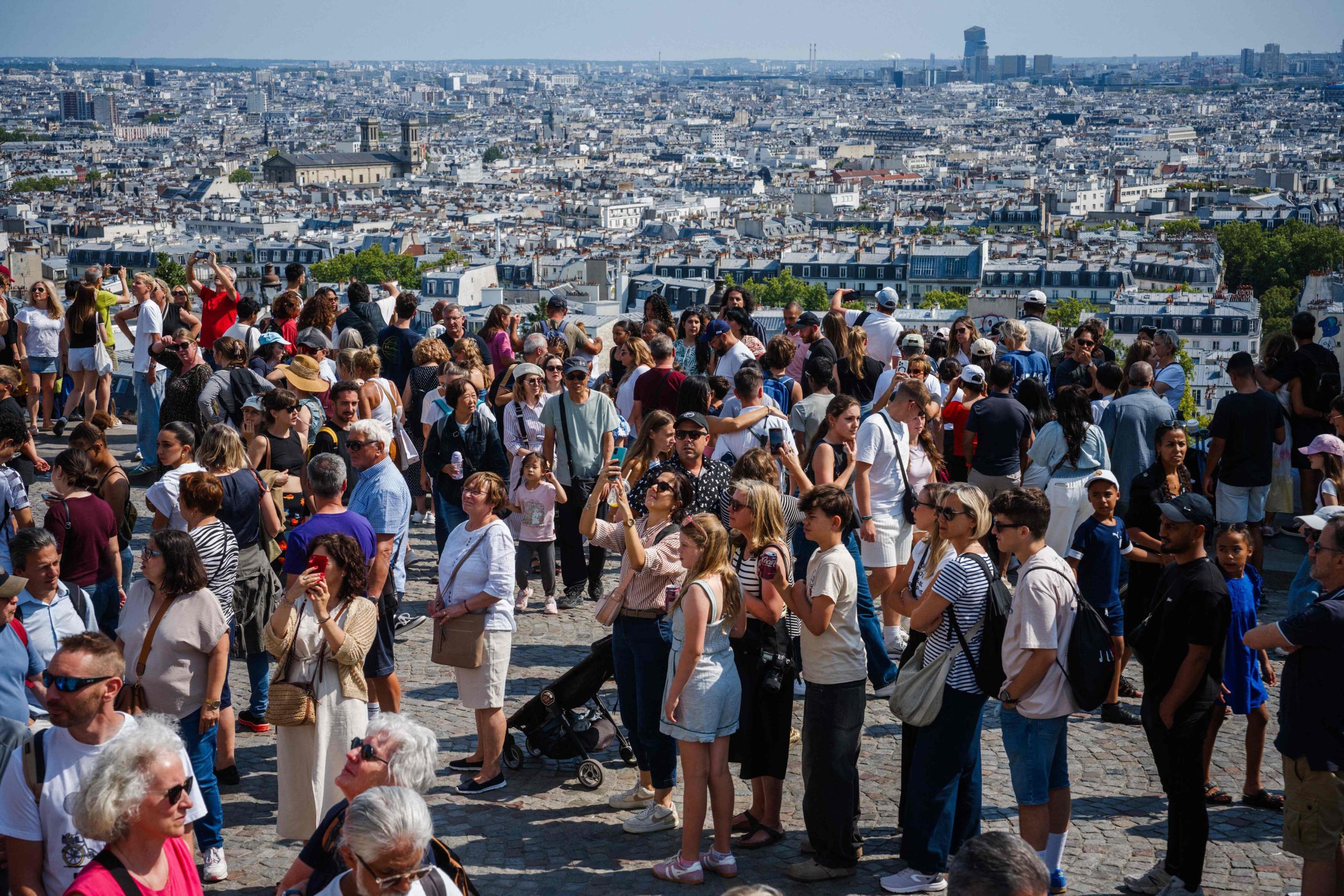
European cities, particularly those with high tourist footfall, showed significant vulnerabilities in crowded areas. In Paris, for example, incidents were concentrated around major landmarks such as the Eiffel Tower, the Louvre Museum, and the Arc de Triomphe. Subways and the RER (Regional Express Rail Network) also became hotspots for theft. The city’s recent Olympic Games further intensified risks due to a surge in visitors.
In Rome, pickpocketing remains a persistent issue near key attractions like Termini Station, the Colosseum, and the Trevi Fountain. Similarly, in Amsterdam, a common scam involves fake police officers who approach tourists and demand to “inspect” their wallets or cards by showing fake IDs.
In East Asia, Shanghai has seen a notable increase in deceptive tactics, including aggressive solicitation and price inflation in popular areas like Nanjing Road and the Yuyuan District.
Limitations of the Data
It is important to note that the rankings are based on the frequency of mentions in traveler reviews rather than official statistics. This raises concerns about the accuracy of the data. Factors such as tourist density, cultural differences in reporting, language barriers, and biases in online reviews may lead to overestimation or underestimation of actual risks.
Organized Scam Networks
Analysis also points to a concerning trend: the rise of organized pickpocketing networks involving minors and immigrants. These groups often operate in highly coordinated ways, making them more difficult to detect and prevent.
Experts recommend that travelers avoid peak hours in crowded areas and remain vigilant in typical high-risk zones such as tourist attractions, subway stations, and train stations.
Safety Tips from Authorities
The U.S. Embassy in France has issued basic guidelines to help travelers stay safe. They advise keeping zipped bags in front of the body, avoiding exposure of mobile phones near subway or bus platforms, and not responding to requests for signatures, donations, or surveys.
The insurance industry also suggests taking proactive steps, such as preparing copies of major identification documents and passports in advance. Additionally, they recommend purchasing loss insurance for expensive items like smartphones and cameras.
Conclusion
As travel continues to rebound post-pandemic, it is essential for tourists to be aware of the evolving risks associated with pickpocketing and scams. By staying informed and taking preventive measures, travelers can better protect themselves and enjoy their trips with greater peace of mind.