
Divergent Views on U.S. Threats and Nigeria’s Sovereignty
Retired diplomats have shared contrasting opinions regarding the United States’ potential military action against Nigeria, highlighting concerns over national sovereignty and global diplomatic tensions.
Mohammed Mabdul, a retired ambassador to Algeria, emphasized that the situation between Washington and Beijing should not be seen as a risk of Nigeria becoming a pawn in a global power struggle. He argued that the conflict between the two superpowers does not put Nigeria at risk but instead represents a moral victory for the country.
“Nigeria has always maintained mutually respected bilateral relations with the United States of America since independence in 1960,” Mabdul said. “These strong ties span political collaboration, trade, investment, educational, and cultural exchanges.”
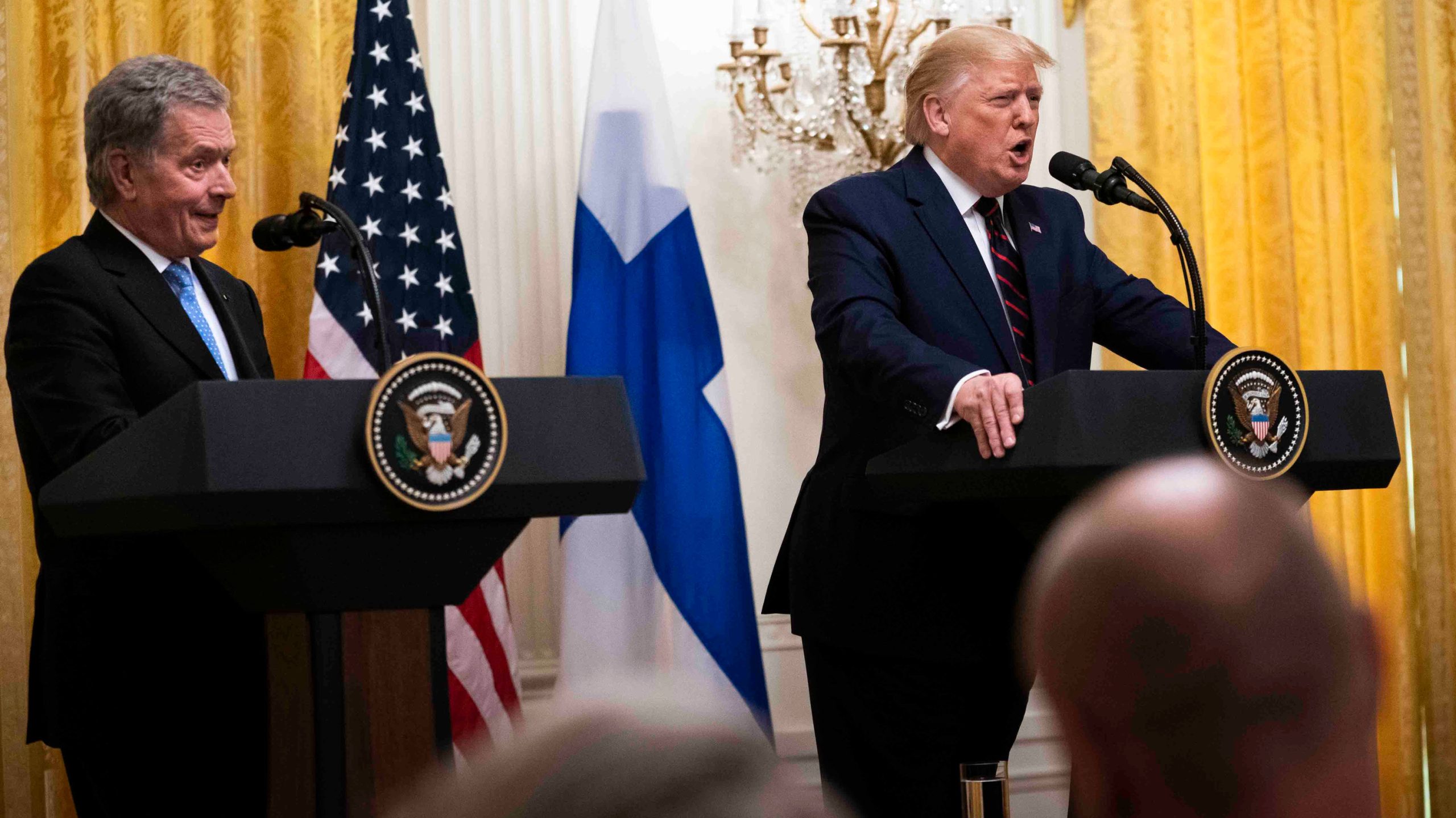
However, he criticized President Trump’s labeling of Nigeria as a “Country of Particular Concern” due to alleged persecution of Christians. “The emergence of President Trump has changed this tradition. He arrogantly considers the United States as the ‘sole global power’ whose authority must be followed without challenge.”
Mabdul also highlighted China’s role in supporting Nigeria. “China considers Nigeria a strategic partner and is prepared to use all diplomatic channels to support Nigeria against any external aggression, including from the USA,” he stated. This includes leveraging its veto power at the United Nations Security Council and seeking support from BRICS nations like Russia and South Africa.
He noted that European countries, including the UK, Germany, France, and Italy, are opposed to the U.S. plan for military intervention in Nigeria. “President Trump is politically isolated and lacks the moral authority to carry out his threat of military invasion,” Mabdul concluded.
A Different Perspective on Security and Governance
Rasheed Akinkuolie, a retired ambassador to Cameroon, offered a different perspective. He viewed Trump’s threat as a call for Nigeria to address its worsening security situation.
“The threat from President Donald Trump is primarily meant to draw attention to the Nigerian government’s laissez-faire attitude toward security, which is deteriorating by the day,” Akinkuolie said. He pointed out that insurgents are acquiring more sophisticated weapons and have overwhelmed the armed forces in several locations.
Akinkuolie criticized the government’s focus on politics over security. “Nigerians have been raising alarms about the worsening state of insecurity across the country. Unfortunately, the government’s focus has been on the next election and politicking.”
He also addressed China’s involvement, stating that it should not be seen as compromising Nigeria’s sovereignty. “The intervention of China is appreciated, which does not mean Nigeria is a pawn of either China or America. Nigeria is a very powerful country, with the potential to lead Africa.”
Akinkuolie added that successive governments have not performed optimally due to an over-centralized system. “Nigerians are celebrated worldwide for their remarkable achievements,” he said.
The Broader Implications
The debate over U.S. threats and Nigeria’s response highlights the complex interplay of international relations and domestic governance. While some see the situation as a test of national sovereignty, others view it as a wake-up call for improved security and leadership.
As the world watches, the actions of both Nigeria and its international partners will shape the future of diplomatic relations and regional stability.