
Impact of Typhoon Fung Wong on Air Travel
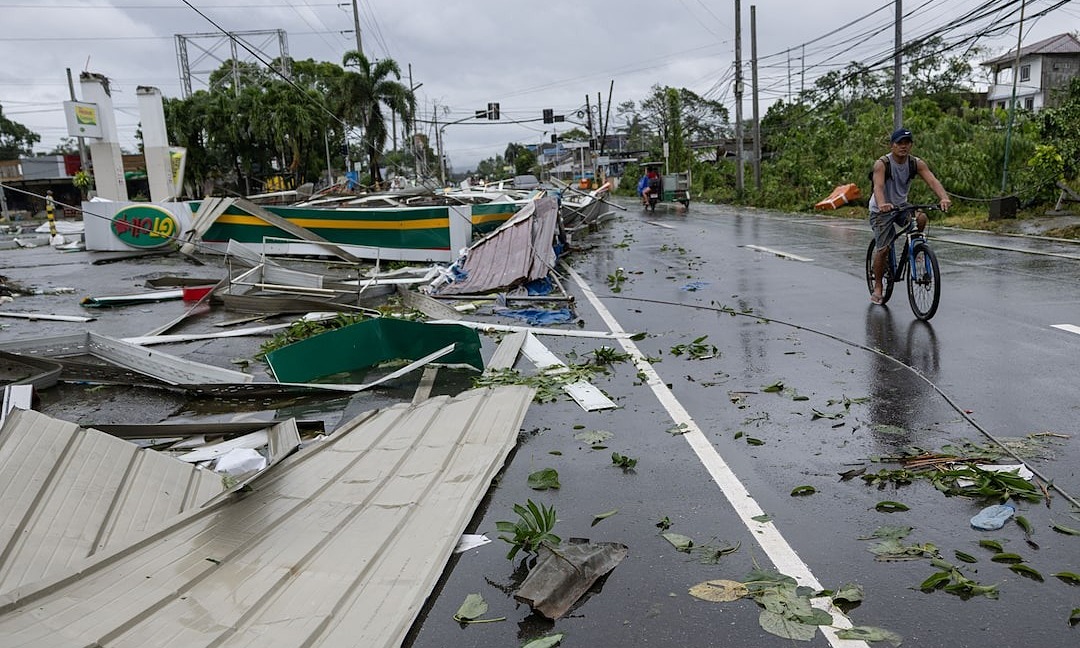
Typhoon Fung Wong, locally referred to as Uwan, has significantly disrupted air travel in the Philippines. On Sunday, seven airports in the Bicol Region were closed, leading to the cancellation of 171 domestic and 19 international flights. The typhoon made landfall in northern Luzon with sustained winds reaching 185 kph, causing widespread disruptions.
The affected airports include Bicol International Airport, Naga Airport, Virac Airport, Masbate Airport, Daet Airport, Bulan Airport, Sorsogon Airport, and Bacon Airport. These closures began at 4 a.m. on Sunday, according to reports from the Inquirer news site. Airlines have indicated that flight cancellations may continue until Wednesday, depending on weather conditions and airport operations, as reported by Philstar.
Stranded Individuals Across Ports
In addition to the flight disruptions, the Philippine Coast Guard reported that 6,607 individuals, including passengers, crew, and cargo staff, were stranded across 86 ports nationwide on Monday morning. This highlights the extensive impact of the typhoon on both air and sea travel.
Typhoon Fung Wong moved out of the northwestern Philippines on Monday after causing floods and landslides. The storm knocked out power to entire provinces, resulting in at least two fatalities and displacing more than 1.4 million people. The Associated Press (AP) reported these developments, emphasizing the severe consequences of the typhoon.
Movement and Forecast of the Typhoon
After making its impact on the Philippines, Typhoon Fung Wong entered the East Sea on Monday morning, marking it as the 14th storm in the area this year. Weather forecasts indicate that the typhoon is expected to head northwest toward Taiwan. This trajectory raises concerns about potential impacts on neighboring regions.
Aftermath and Ongoing Challenges
Fung Wong lashed the northern Philippines while the country was still recovering from the devastation caused by Typhoon Kalmaegi. That previous storm left at least 224 people dead, compounding the challenges faced by communities already dealing with the aftermath of natural disasters.
The ongoing effects of Typhoon Fung Wong underscore the need for continued monitoring and preparedness. As the situation evolves, authorities are likely to provide updates on the typhoon’s path and its potential impacts on both local and international travel. The resilience of the Filipino people and the effectiveness of emergency response efforts will be crucial in mitigating the long-term effects of this powerful storm.