
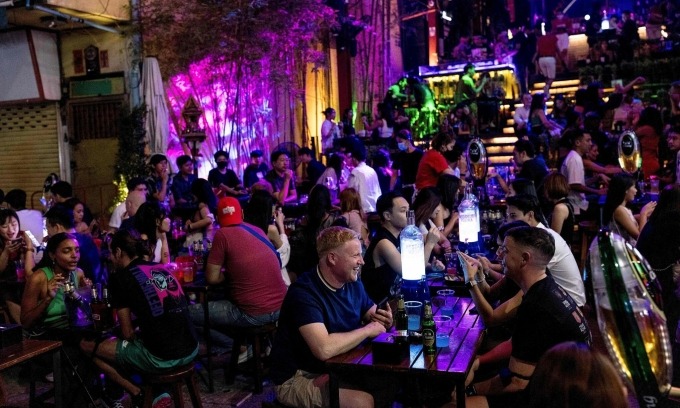
New Alcohol Regulation in Thailand Sparks Controversy
A new regulation that came into effect on November 8 has introduced stricter rules regarding the consumption of alcohol in restaurants across Thailand. According to the law, individuals caught sitting and drinking alcohol outside of permitted hours—specifically between 11 a.m. and 2 p.m., and from 5 p.m. to midnight—could face fines of up to 10,000 baht (approximately US$300). This measure aims to enforce more controlled drinking habits and reduce incidents linked to excessive alcohol consumption.
The regulation has been particularly strict when it comes to the timing of alcohol consumption. For instance, if a customer is served a bottle of beer at 1:59 p.m. and continues drinking until 2:05 p.m., they would be considered in violation of the law and could be fined. This has raised concerns among both locals and international observers about the practicality and enforcement of such rules.
Public Reaction and Criticism
The introduction of this rule has drawn significant criticism from various quarters. Locals and foreign media outlets have expressed concerns, warning travelers to be cautious when visiting Thailand. Some reports suggest that the new law may complicate the experience for tourists who are accustomed to more relaxed drinking policies in other parts of Southeast Asia.
Foreign tourists, in particular, have taken to social media to voice their disapproval. Many have described the regulation as “unreasonable and restrictive,” with some even stating that they would avoid Thailand altogether in favor of neighboring countries with more lenient alcohol laws. The backlash highlights the growing tension between traditional cultural norms and modern tourism expectations.
Historical Context of Alcohol Restrictions
Thailand’s approach to alcohol regulation is not entirely new. The country has had a long-standing ban on the sale of alcohol during certain hours, typically from 2 p.m. to 5 p.m. at most retail outlets and supermarkets. This policy has been in place for over five decades, reflecting a broader cultural and religious influence on public behavior.
In a nation where Buddhism is the predominant religion, the Five Precepts play a central role in guiding daily life. One of these precepts involves abstaining from alcohol and intoxicants, as they are believed to hinder mindfulness and lead to heedlessness. This religious foundation has historically shaped societal attitudes toward alcohol consumption, reinforcing the idea that moderation and self-discipline are essential values.
Implications for Tourism and Local Businesses
With the new regulation, there are concerns about its impact on both local businesses and the tourism sector. Restaurants and bars may need to adjust their operating hours or implement stricter monitoring of customers to avoid penalties. For tourists, the added complexity of navigating alcohol restrictions could deter some from choosing Thailand as a travel destination.
However, the government has emphasized that the goal of the regulation is to promote responsible drinking and ensure public safety. Officials argue that by limiting the times when alcohol can be consumed, the law will help reduce incidents of binge drinking and related issues such as traffic accidents and public disturbances.
Conclusion
As Thailand continues to balance its cultural heritage with the demands of a modern, globalized world, the new alcohol regulation serves as a reminder of the challenges faced in maintaining traditional values while adapting to contemporary needs. Whether this law will achieve its intended goals remains to be seen, but its immediate impact on both locals and visitors has already sparked widespread discussion.