
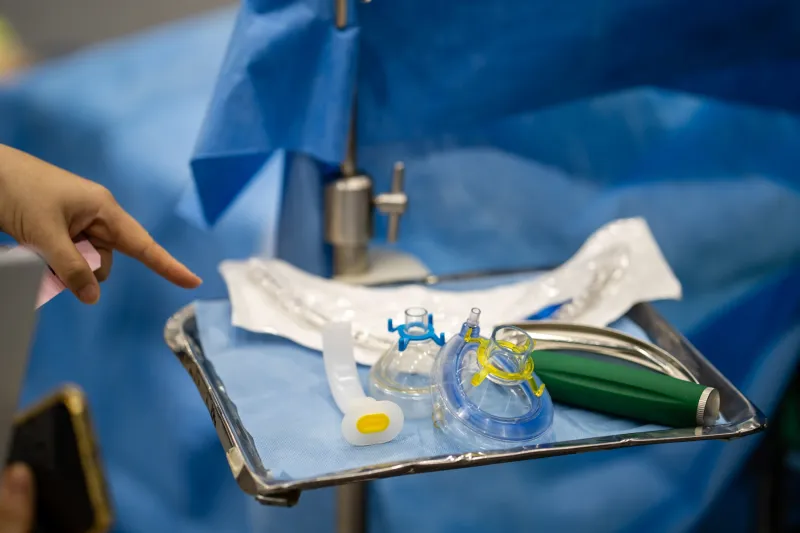
Rising Demand for Disposable Medical Devices
The global market for disposable medical devices is experiencing significant growth, driven by a variety of factors that highlight the increasing importance of infection control and patient safety. According to recent research, the market is projected to reach $144.85 billion by 2030, with a compound annual growth rate (CAGR) of 4.9%. This upward trend reflects a growing awareness of the risks associated with healthcare settings and the need for more hygienic solutions.
Factors Contributing to Market Growth
One of the primary reasons behind this expansion is the rising concern over hospital-acquired infections (HAIs). These infections, which patients contract during their stay in healthcare facilities, pose serious risks and can lead to prolonged hospital stays, increased medical costs, and even mortality. As a result, healthcare providers are increasingly turning to disposable medical devices as a means of reducing contamination and ensuring a safer environment for patients.
In addition to HAIs, the rise in surgical procedures is also contributing to the demand for disposable medical devices. More people are undergoing surgeries due to advancements in medical technology, an aging population, and a greater focus on early diagnosis and treatment. Disposable devices offer convenience, reduce cross-contamination, and help maintain sterility, making them a preferred choice in surgical settings.
Regulatory and Technological Influences
Regulatory bodies around the world are placing greater emphasis on infection control measures, which has further fueled the growth of the disposable medical device market. Governments and health organizations are implementing stricter guidelines to ensure that medical facilities adhere to high standards of hygiene and safety. These regulations have encouraged manufacturers to innovate and develop more advanced disposable products that meet these requirements.
Moreover, advancements in materials and manufacturing technologies have played a crucial role in shaping the market. Newer materials offer improved durability, biocompatibility, and cost-effectiveness, making disposable devices more accessible and practical for a wide range of applications. These innovations not only enhance product performance but also contribute to sustainability efforts by reducing waste and improving resource efficiency.
Demographic and Health Trends
Another key driver of market growth is the aging population. As people live longer, the demand for medical care increases, particularly for chronic conditions that require ongoing treatment. Disposable medical devices are often used in managing these conditions, as they provide a convenient and safe way to deliver care without the risk of infection.
The prevalence of chronic diseases, such as diabetes, heart disease, and respiratory illnesses, is also on the rise. These conditions often require frequent medical interventions, many of which involve the use of disposable equipment. The growing number of patients with chronic illnesses is therefore creating a steady demand for these products.
Shift Toward Home Healthcare
In addition to hospital settings, the demand for disposable medical devices is also being influenced by the shift toward home healthcare. More patients are receiving treatment at home, either due to the desire for comfort or the need for long-term care. This trend has led to an increase in the use of disposable devices in home environments, where ease of use and hygiene are paramount.
Home healthcare settings often rely on single-use products to minimize the risk of infection and ensure proper care. From syringes and catheters to wound dressings and blood glucose monitors, disposable medical devices play a vital role in supporting patients outside of traditional healthcare facilities.
Conclusion
The global disposable medical device market is set to grow significantly in the coming years, driven by a combination of regulatory, technological, demographic, and health-related factors. As concerns over infection control continue to rise, and as more people seek safe and effective medical solutions, the demand for disposable devices is expected to remain strong. This growth will likely be supported by continued innovation and a commitment to improving patient outcomes through better healthcare practices.