
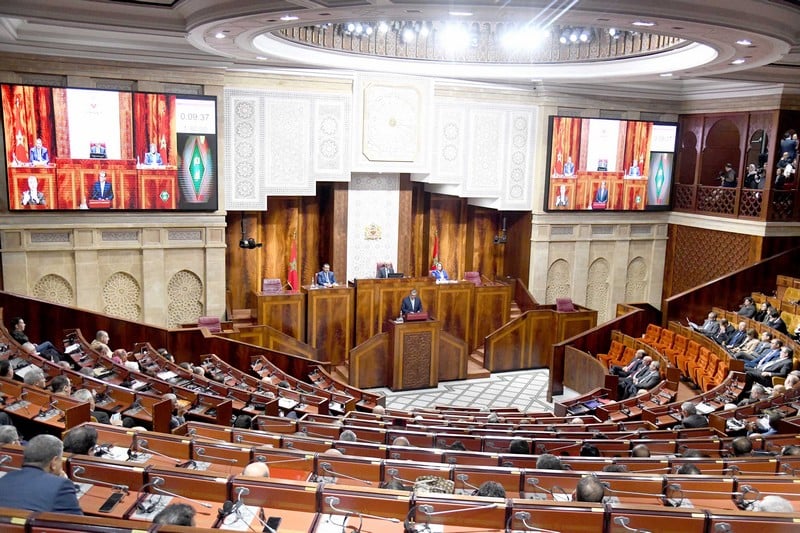
Opposition Parties Propose Major Amendments to Morocco’s 2026 Finance Bill
Morocco’s opposition lawmakers have introduced a wide range of amendments to the draft 2026 Finance Bill, aiming to reshape the country’s economic policies. These proposals focus on introducing new taxes on wealth and providing relief measures for farmers, investors, and rural communities. The opposition has shown significant activity in shaping the bill, with various political groups submitting numerous amendments.
Key Proposals from Different Political Groups
The Justice and Development Party (PJD) parliamentary group led the efforts with 122 amendments, followed by the Socialist–Opposition Bloc with 73. Both the Popular Movement and leftist MP Fatima Tamni submitted 46 amendments each, while the Party of Progress and Socialism (PPS) proposed 38. In contrast, the ruling coalition parties put forward just 23 amendments in total, indicating a less active role in the amendment process.
Among the most notable proposals was the introduction of an annual net wealth tax on residents whose assets exceed 50 million dirhams ($4.9 million). This tax would apply to the portion of wealth above that threshold, with half of the revenue directed toward Morocco’s Social Solidarity Fund. The fund aims to finance development projects and reduce regional inequality across the country.
Specific Measures and Tax Exemptions
The Popular Movement also proposed exempting chicks and animal feed from import duties for two years, from January 2026 to December 2027. Additionally, they suggested granting five-year corporate tax exemptions to companies operating in Morocco’s less-developed rural and mountain regions. These measures aim to stimulate economic growth in underprivileged areas.
The PPS demanded that the proposed wealth tax cover real estate, business assets, bank deposits, jewelry, artworks, and inherited property. They also suggested a fixed annual fee of 100 dirhams per square meter on individuals and companies extracting sand from quarries or riverbeds. This proposal seeks to regulate resource extraction and generate additional revenue for public use.
Social and Economic Relief Measures
The Socialist–Opposition Bloc submitted a proposal to permanently exempt public social service institutions and government-backed organizations from taxation. They also suggested removing taxes on school transport vehicles owned by local authorities or associations, citing their social importance. These measures aim to support essential services and reduce financial burdens on communities.
Meanwhile, the PJD group called for customs and tax exemptions on solar panels used in agriculture, pharmaceutical inputs, medical and veterinary equipment, and certain pesticides. The group also proposed taxing electronic cigarette packaging and similar devices to curb their rising popularity. These proposals reflect a balance between supporting sustainable practices and addressing public health concerns.
Additional Proposals and Cross-Party Efforts
Left-wing MP Fatima Tamni suggested full import duty exemptions for essential medicines and medical supplies used in the public sector, ensuring the benefit reaches end consumers. She also urged the government to lower the Interior Ministry’s 2026 spending allocation to 4.547 billion dirhams, redirecting funds from security projects to social programs. These proposals highlight the need for prioritizing public welfare over other expenditures.
Another cross-party proposal would grant a 15% tax deduction to companies investing in health and education infrastructure in rural and mountainous regions. This initiative is part of a broader push to address regional disparities and promote social equity in Morocco’s 2026 budget.
Conclusion
The amendments introduced by the opposition parties reflect a comprehensive approach to addressing economic challenges and promoting social equity. These proposals aim to create a more balanced and inclusive financial framework for Morocco’s future. As the debate continues, the impact of these amendments on the country’s economy and society will be closely monitored.