
Strengthening Africa’s Military Leadership for the Future
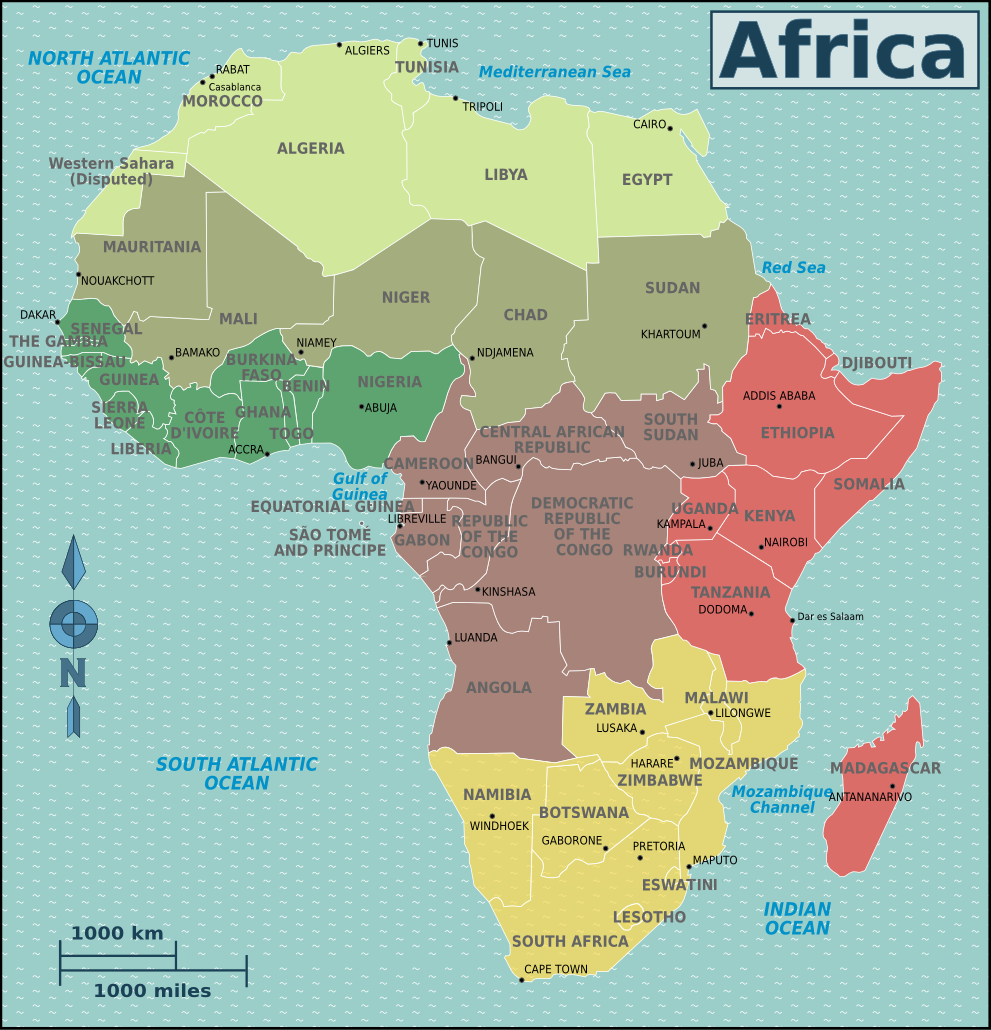
The African continent is facing a complex array of security challenges that require a new approach to military leadership and education. At the 19th African Conference of Commandants, held in Kigali from November 10, the Minister of Defence of Rwanda, Juvenal Marizamunda, emphasized the need for a new generation of military officers who are tactically skilled, digitally proficient, ethically sound, and strategically adaptable. The conference brought together commandants and senior officers from 24 African countries, highlighting the importance of collaboration and innovation in addressing contemporary threats.
Marizamunda pointed out that Africa is grappling with multifaceted issues such as terrorism, cyber warfare, illegal migration, transnational crime, and climate-related insecurity. These challenges demand a military force that is not only well-trained but also capable of adapting quickly to changing circumstances. “The ability of our institutions to adapt, innovate, and collaborate determines the strength of our collective defence posture,” he said. He stressed that professional military education must serve as the foundation for preparedness in this century.
A Platform for Unity and Collaboration
The conference serves as a crucial platform for African military leaders to share best practices, align curricula, and strengthen the African Union’s security architecture. Marizamunda called on participants to reaffirm their shared vision of an Africa that is self-reliant in defence, united in purpose, and strong in partnership. “Let this moment reaffirm our shared vision,” he urged.
Brig Gen Andrew Nyamvumba, Commandant of the Rwanda Defence Force (RDF) Command and Staff College, described the event as “a convergence of Africa’s intellectual and professional military leadership.” He highlighted the discussions on standardizing curricula, expanding exchange programmes, and leveraging digital learning to shape the next generation of commanders. Nyamvumba also noted that Rwanda will hand over the conference chairmanship to Tanzania, ensuring continuity and collaboration in advancing the forum’s mission.
Embracing Digital Transformation
Tanzania’s Commandant of the Command and Staff College, Maj Gen Stephen Mnkande, emphasized the importance of harmonizing training within the African Union’s Peace and Security Architecture, particularly the African Standby Force. “Education and training are essential for preparedness,” he said. Mnkande called for a faster move toward digitalizing training systems so that African forces can respond cohesively to security threats.
The conference aims to foster greater interoperability among African militaries by aligning military education standards and enhancing collective responses to emerging security challenges. Over the next three days, participants are expected to adopt joint resolutions that will guide the future of military education and training across the continent.
Key Focus Areas
- Adaptive Military Education: Addressing evolving security threats requires a curriculum that is flexible and responsive to new challenges.
- Digital Literacy: Integrating technology into military training ensures that forces are equipped to handle cyber warfare and other modern threats.
- Ethical Leadership: Instilling ethical values in military officers is critical for maintaining discipline and public trust.
- Strategic Agility: Officers must be able to think critically and make informed decisions in complex and dynamic environments.
- Collaboration and Standardization: Harmonizing training and doctrine across African nations enhances interoperability and effectiveness in joint operations.
Looking Ahead
As the conference progresses, the focus remains on building a stronger, more unified African military force. The outcomes of the discussions will play a vital role in shaping the future of military education and training on the continent. By fostering collaboration, embracing innovation, and prioritizing ethical leadership, African nations can better prepare to meet the security challenges of the 21st century.