
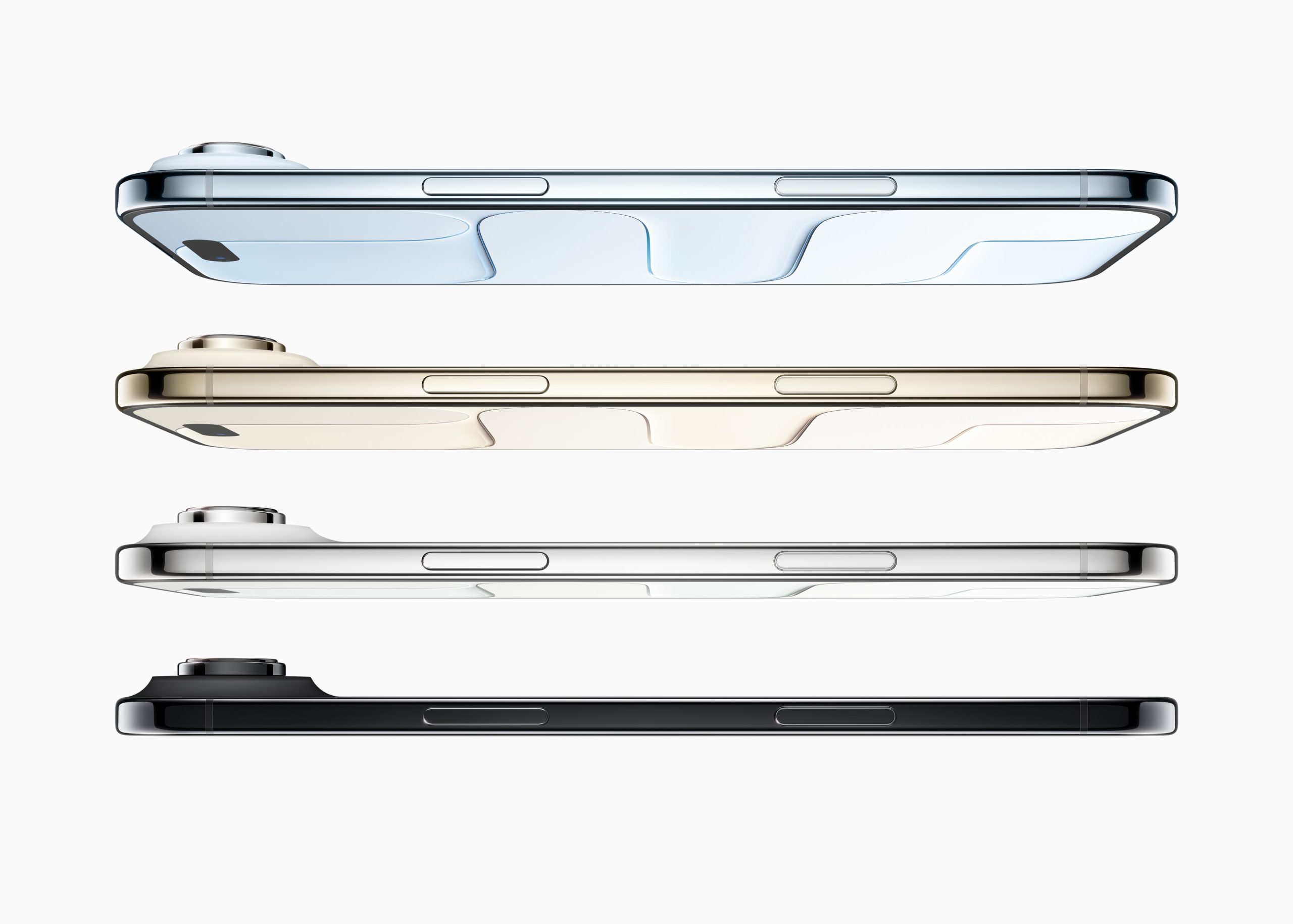
Apple’s iPhone Air Successor Delayed Due to Poor Sales
Apple has decided to delay the release of a successor to its ultra-thin and lightweight smartphone, the iPhone Air. Despite launching the iPhone Air in September, low sales have made plans for a follow-up model uncertain. The U.S. IT-focused media outlet Di Information, citing sources, reported on the 10th (local time) that Apple has significantly reduced production of the iPhone Air and canceled the release schedule for the next-generation iPhone Air, which was originally planned for release next fall.
Apple had initially intended to launch the second-generation iPhone Air alongside the iPhone 18 series and a foldable iPhone in the fall of next year. However, it was recently reported that Apple’s management informed engineers and suppliers of the delay in the next-generation iPhone Air’s release. Foxconn and Luxshare, responsible for iPhone assembly, were reportedly instructed to reduce or halt production lines for the iPhone Air. No new release schedule has been disclosed.
Factors Behind the Delay
The delay in the successor model is attributed to poor sales. According to market research firm CIRP, as of September, the iPhone Air accounted for only 3% of total iPhone sales, significantly lower than the iPhone 17 Pro (9%) and iPhone 17 Pro Max (12%), which were released simultaneously.
The iPhone Air, measuring 5.6 mm in thickness and weighing 165 g, is the thinnest iPhone ever. However, its slim design led to reduced camera performance and battery capacity, and its price being comparable to other models resulted in consumer indifference.
Industry Trends and Competitor Moves
Samsung Electronics also released the slim Galaxy S25 Edge in May but is not expected to launch an Edge model next year. Instead, it has reportedly chosen a strategy to reduce the overall thickness of the Galaxy S26 series. According to industry sources, the base model Galaxy S26 will measure 6.7 mm, and the premium model Galaxy S26 Ultra will be 7.8 mm thick, each 0.4–0.5 mm thinner than their predecessors.
This shift in strategy highlights a broader trend among smartphone manufacturers to balance design innovation with user experience. While slim designs are appealing, they often come at the cost of essential features like battery life and camera quality. Consumers seem to be prioritizing functionality over aesthetics, leading to a reevaluation of design choices by major players in the industry.
Implications for the Market
The delay in the iPhone Air’s successor could signal a larger shift in Apple’s product development strategy. With the current model underperforming, Apple may need to reassess its approach to future releases. This could involve introducing more significant innovations or adjusting pricing strategies to better align with consumer expectations.
Additionally, the decision to scale back production of the iPhone Air might impact Apple’s supply chain partners, such as Foxconn and Luxshare. These companies may need to reallocate resources or adjust their manufacturing processes to accommodate the changes in production schedules.
Future Outlook
As the smartphone market continues to evolve, companies must navigate the delicate balance between design and functionality. The experiences of Apple and Samsung demonstrate that even the most innovative designs can face challenges if they do not meet consumer needs effectively.
For now, the focus remains on how Apple will address the shortcomings of the iPhone Air and what new features or improvements the next-generation model might bring. With the tech industry constantly pushing boundaries, the coming months will be crucial in determining the direction of smartphone development.