
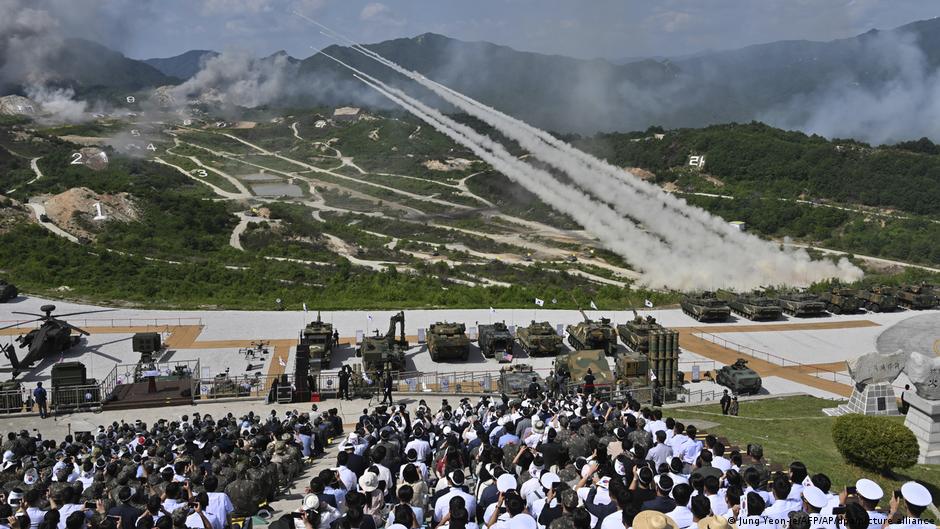
The Legacy of Wartime Command
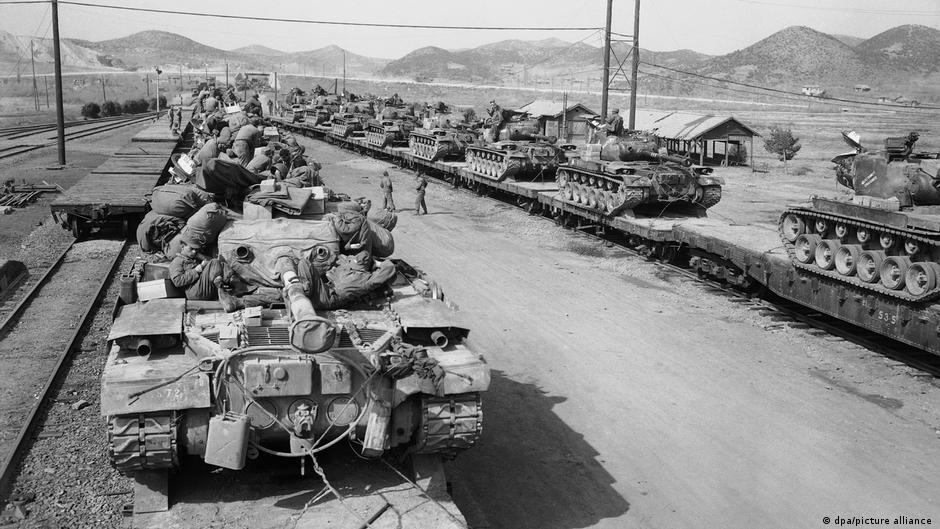
For 75 years, the United States has maintained wartime operational control (OPCON) over South Korean forces. This arrangement originated during the Korean War, which began in 1950 and concluded with a truce in 1953. Under this setup, South Korea can command its troops only when there is no active conflict. Despite increasing responsibilities over the decades, Washington would still take charge in the event of major hostilities.
The initial plan for transferring OPCON was set for 2015. However, just before this deadline, the U.S. and South Korea agreed to delay the handover until specific conditions were met, ensuring Seoul was adequately prepared for the escalating threat from North Korea.
A Shift in Perspective
Recent discussions have brought the issue of transferring wartime command back into focus. The current U.S. administration, led by President Donald Trump, supports the transfer of OPCON, aiming to encourage allies to reduce reliance on American defense and take a more active role in their own security.
South Korean President Lee Jae Myung has outlined plans to complete the transfer before his term ends in 2030. Yet, many are questioning whether Seoul is truly ready to assume this responsibility.
Concerns About Readiness
Analysts suggest that while the transfer of OPCON is inevitable, some warn that it might be rushed. North Korea could perceive the handover as a sign of weakness. Chun In-bum, a retired South Korean military general and senior fellow at the National Institute for Deterrence Studies, expressed concerns about the process moving too quickly without proper conditions in place.
“We must also remember that North Korea is still a very viable threat,” said Chun. “The priority should be the military’s preparedness, not just the date.”
Progress and Challenges
After a recent meeting between South Korea’s Joint Chiefs of Staff Jin Yong-sung and his U.S. counterpart John Daniel Cain, both sides acknowledged “meaningful progress” in the transfer process. Defense Secretary Pete Hegseth praised Seoul’s position and emphasized that the alliance requires only U.S. leadership in contingencies.
However, several questions remain regarding South Korea’s readiness. These include its ability to lead combined U.S.-South Korean forces, respond to North Korea’s nuclear and missile threats, and maintain stability in Northeast Asia.
Gaps in Capabilities
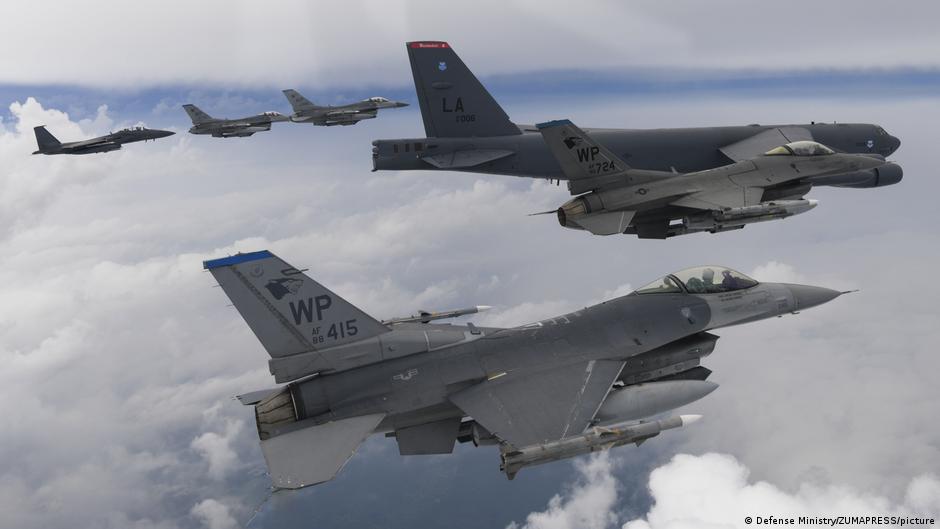
Mason Richey, a professor at Hankuk University of Foreign Studies, highlighted significant gaps in South Korea’s military capabilities. Notably, command-and-control and intelligence, surveillance, and reconnaissance capabilities are critical for leading combined forces, especially in tactical and operational missions.
Richey also pointed out that South Korean military leaders have not exercised operational independence since the Korean War. While the military is strong, it lacks the experience of taking control in a time of crisis.
Political Motivations
Despite these concerns, President Lee remains committed to his timeline for the transfer. The desire for wartime OPCON has historically been strongest among progressive administrations in Seoul. Leaders such as Kim Dae-jung and Roh Moo-hyun supported it as a symbol of national sovereignty and normalcy.
Lee has framed the transfer as a way to “alleviate the U.S.’ defense burden in the Indo-Pacific region.” With Washington’s support, a large parliamentary majority, and popular backing, he seems poised to achieve his goal.
“I think Lee is also hedging against this U.S. administration, against abandonment,” said Richey. “If South Korea can gain extra sovereignty over its armed forces, that would seem to be a prudent step in the face of potential unreliability.”