
The Reality of Executive Promotion in South Korean Companies
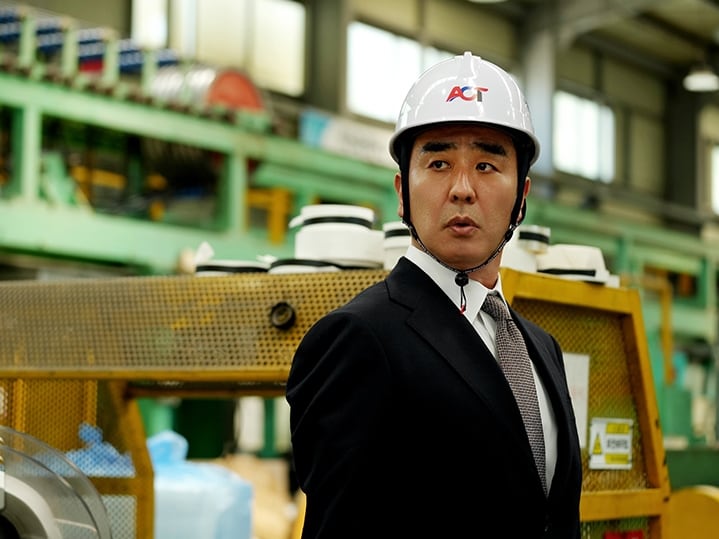
The recent popularity of the drama “The Dream Life of Mr. Kim” has sparked conversations about the challenges faced by employees striving for executive positions. In the show, Kim Nak-su, a 25-year veteran at the telecom company ACT, is depicted as someone struggling with underwhelming performance and leadership while desperately pursuing promotion to an executive role. This narrative resonates with real-world data from a survey conducted by the Korean CXO Research Institute, which revealed that the probability of a regular employee at a domestic top 100 company becoming an executive is less than 1%.
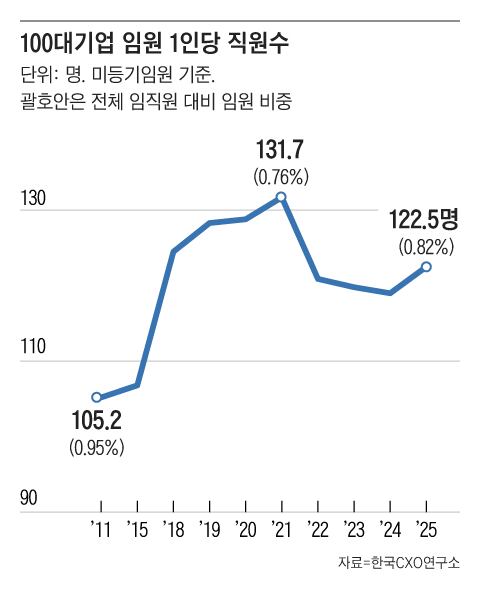
According to the research institute, which specializes in corporate analysis, the probability of promotion this year stands at 0.82%. This figure was calculated based on the number of employees per executive at the top 100 companies by sales, using 2024 standalone data. The calculation shows that there are now 122.5 employees per executive, up from 119 last year. This trend indicates that the number of employees is increasing while the number of executives is decreasing, leading to a lower chance of promotion.
Historical Trends in Employee-to-Executive Ratios
Looking back at historical data, the ratio of employees per executive has fluctuated over the years. In 2015, the average was around 106.8, but it increased to 124.5 in 2018, reaching a peak of 128.8 in 2020. It slightly decreased in subsequent years, with the current average ranging between 110 and 130 employees per executive.
Even Samsung Electronics, which has the most executives among single entities, has seen a decline in the probability of regular employees becoming executives since 2014. In 2014, the probability was 1.24% (with 80.7 employees per executive), but this year it dropped to 0.85% (with 117 employees per executive).
Industry-Specific Promotion Probabilities
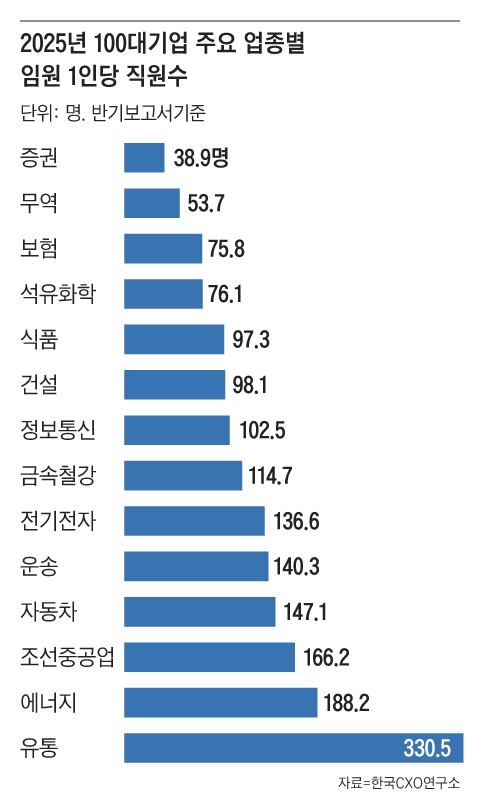
The promotion probability varies significantly across industries. The securities sector had the highest promotion probability, with 38.9 employees per executive. This was followed by trading (53.7 employees), insurance (75.8 employees), petrochemicals (76.1 employees), food (97.3 employees), and construction (98.1 employees), all of which exceeded a 1% promotion probability.
Other sectors also showed varying levels of promotion chances. Information and communications had 102.5 employees per executive, while metal and steel had 114.7. Electrical and electronics had 136.6 employees, transportation had 140.3, automotive had 147.1, shipbuilding and heavy industry had 166.2, and energy had 188.2. The distribution sector notably had 330.5 employees per executive, likely due to the industry’s reliance on a large number of store employees.
Expert Insights on Executive Turnover and Future Trends
Oh Il-seon, head of the CXO Research Institute, highlighted that the average tenure of executives at major Korean companies is barely over two years, and generational turnover is accelerating. He noted that if the retirement age extension to 65 becomes a reality, companies may further reduce their number of executives to manage labor costs and improve organizational efficiency. This could lead to a restructuring of workforces around core roles.
Oh added that for long-term survival, employees may find it more advantageous to focus on accumulating specialized expertise rather than competing for executive promotions. This shift in strategy could be crucial for those looking to navigate the evolving corporate landscape in South Korea.