
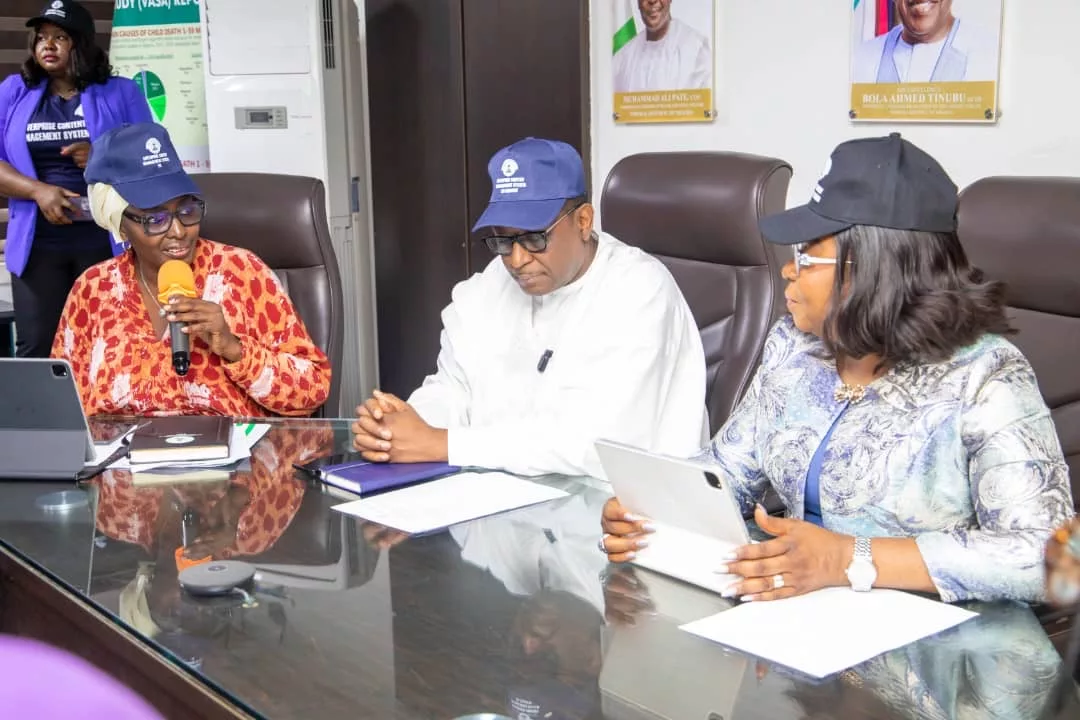
Introduction to the New Digital Dashboards
The Secretary to the Government of the Federation (SGF), Senator George Akume, has announced that the federal government has introduced digital dashboards to monitor the real-time performance of ministries, departments, and agencies (MDAs). This initiative is part of a broader effort to enhance policy implementation and service delivery across the country.
Akume made this disclosure during the sectoral retreat of the Office of the Secretary to the Government of the Federation (OSGF) in Abuja. The event was themed ‘Strengthening Coordination for Results: Aligning Mandates with Presidential and Service Priorities for Effective Policy Implementation.’
Enhancing Efficiency Through Technology
According to Akume, these digital dashboards are an essential component of a comprehensive performance management system. The goal is to improve coordination, transparency, and accountability in executing President Bola Tinubu’s Renewed Hope Agenda.
“Technology must be our ally in enhancing efficiency and accountability,” Akume stated. “The government is advancing e-governance platforms, data integration systems, and digital dashboards to track progress and deliver results that citizens can feel.”
The SGF emphasized that previous policies often failed due to weak coordination and inadequate follow-up mechanisms. He highlighted the current administration’s commitment to reversing this trend by adopting a more cohesive approach to governance.
A Whole-of-Government Approach
“Even the best-intentioned policies can fail due to weak coordination, overlapping efforts, and lack of collaboration,” Akume said. “To achieve our vision, we must adopt a whole-of-government approach, breaking down silos and aligning mandates across all MDAs.”
He further explained that the new system would establish clear Key Performance Indicators (KPIs), set realistic targets, and evaluate ministries based on tangible outcomes rather than activity volume.
“Success should not be measured by the volume of activities, but by the real impact on citizens’ lives,” Akume added.
Strengthening Inter-Agency Collaboration
Mohammed Sanusi Tanimu Juma, the Permanent Secretary of the Special Services Office, also spoke at the event. He mentioned that the OSGF would focus on strengthening inter-agency collaboration and eliminating bottlenecks that hinder policy execution.
“We must identify obstacles and remove them,” he said. “Working in isolation cannot deliver progress. Teamwork and coordination are essential to effective governance.”
Juma stressed the importance of cooperation among different government agencies to ensure that policies are implemented efficiently and effectively.
Focusing on Impact
Hadiza Bala Usman, the Special Adviser to the President on Policy and Coordination, described the OSGF as the “engine room of governance.” She emphasized the administration’s commitment to ensuring that every policy delivers measurable improvements in citizens’ lives.
“We must move from mandate to impact,” she said. “Governance must be felt through real change in citizens’ lives.”
Usman highlighted the need for policies to have a direct and positive effect on the population, ensuring that the government’s efforts translate into tangible benefits for the people.
Conclusion
The introduction of digital dashboards marks a significant step forward in the government’s efforts to improve transparency, accountability, and efficiency. By leveraging technology and fostering better coordination among MDAs, the administration aims to ensure that policies are not only well-intentioned but also impactful.
This initiative reflects a shift towards a more results-oriented approach to governance, where the success of policies is measured by their real-world effects rather than just the number of activities undertaken.
With a focus on collaboration, transparency, and measurable outcomes, the government is taking concrete steps to fulfill its promises and deliver meaningful change to the citizens of Nigeria.